

Can Hibiscus Tea Really Help With Weight Loss?
Discover how hibiscus tea may support weight loss, boost metabolism, and reduce bloating, plus the best way to enjoy it for better results.
 By WOWMD Staff

 Fact Checked
Advertiser Disclosure: WOWMD independently vets all recommended products. If you purchase a featured product, we may be compensated. Learn why you can trust us.

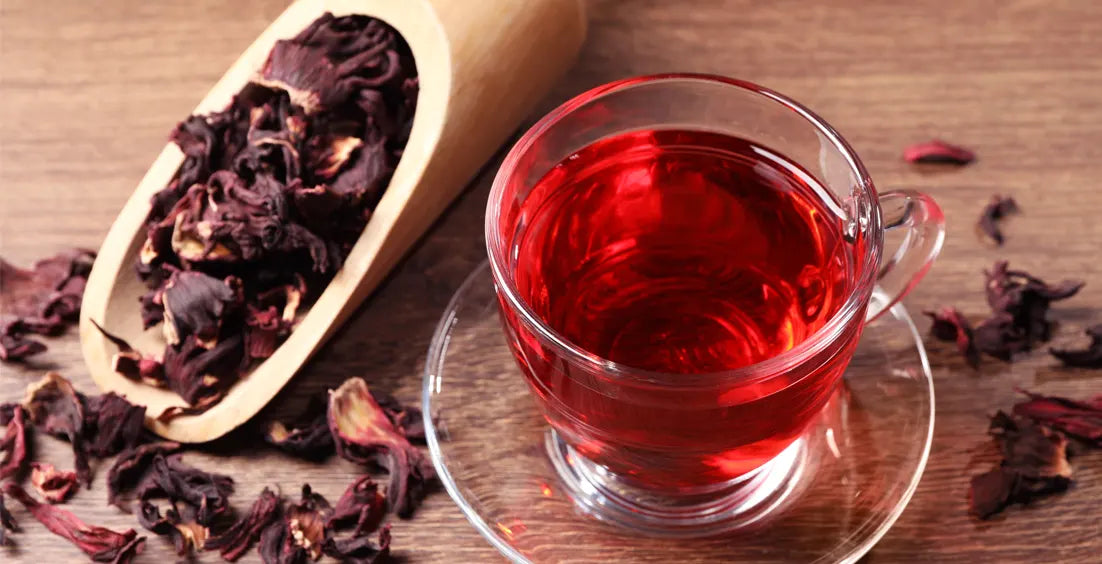
For centuries, various cultures around the world have embraced the power of herbal remedies for a variety of ailments. In the realm of weight management, the search for natural ingredients that can aid in shedding pounds and belly fat is a constant pursuit.
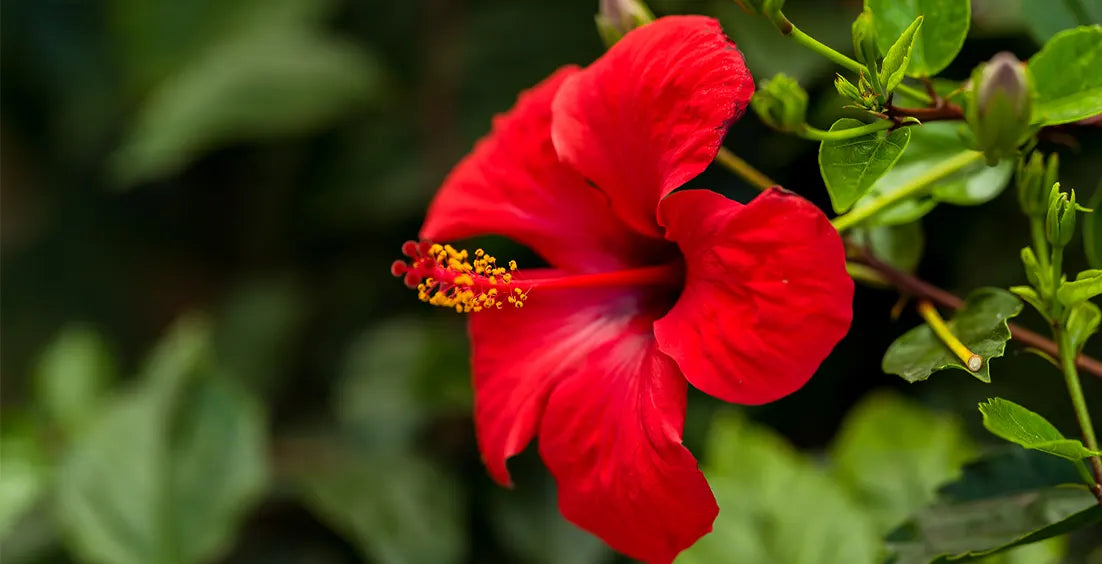
Hibiscus tea, a vibrant crimson beverage steeped from the hibiscus flower, has emerged as a promising contender in this quest.
This tangy drink boasts a loyal following for its potential health benefits, and weight management is a key area of interest. But can hibiscus tea truly help you achieve your weight loss goals?
Delve into this article to explore the scientific studies that have investigated hibiscus tea's effects on body weight and fat burning, and see if this ruby-red drink deserves a spot in your weight loss plan.
TL;DR
Hibiscus tea, rich in antioxidants and natural fat-blocking compounds, may aid in weight loss by inhibiting fat absorption, boosting metabolism, reducing bloating, and balancing blood sugar. It's a low-calorie, caffeine-free drink that can support belly fat reduction and overall health when combined with a balanced diet and exercise. Drink 2–3 cups daily for optimal results, but consult your doctor if you’re on medications or pregnant.
What Is Hibiscus Tea?
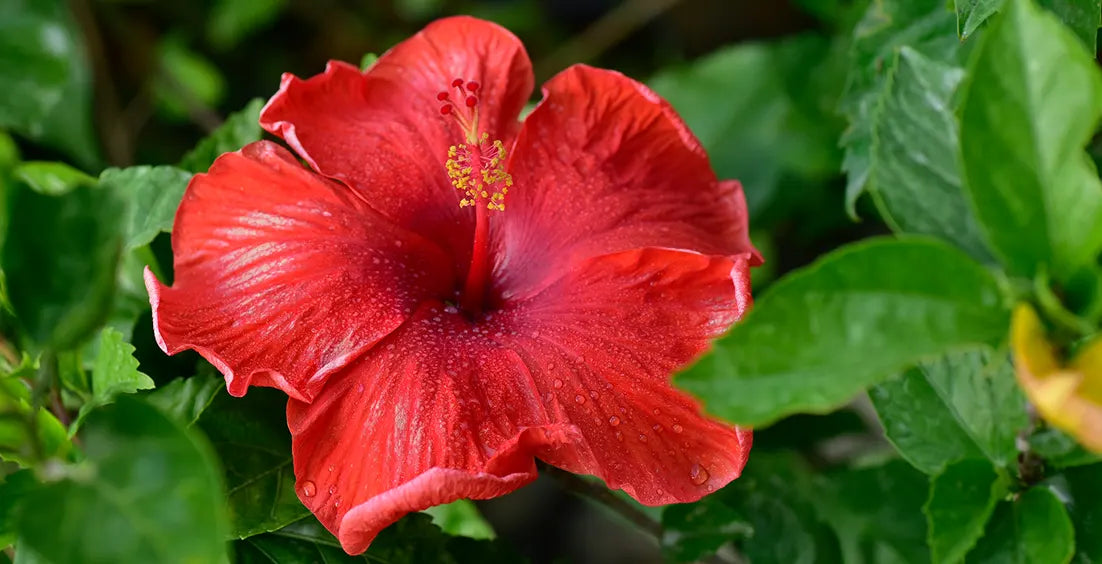
Hibiscus tea is a vibrant, tart beverage brewed from the deep red calyces (sepals) of the roselle flower, specifically Hibiscus sabdariffa. It's a type of herbal tea, meaning it's not derived from the Camellia sinensis plant like black or green tea, and therefore naturally caffeine-free.
Popular around the world, hibiscus tea is enjoyed hot or chilled. It has a distinct cranberry-like flavor with a touch of tartness, often balanced with sugar, honey, or lemon.
This beautiful red tea is more than just refreshing; it's also rich in potential health benefits and a popular ingredient in some cultures' traditional medicines.
Advertisement


Benefits Of Hibiscus Tea
Hibiscus tea, a ruby-red beverage brewed from the hibiscus flower, has been enjoyed for centuries for its flavor and potential health benefits. Here's a peek at some of the reasons why hibiscus tea might be a worthy addition to your diet:
- Rich in Antioxidants: Hibiscus tea is a good source of antioxidants, which can help protect your cells from damage caused by free radicals. These free radicals contribute to various chronic diseases.
- May Lower Blood Pressure: Some studies suggest that hibiscus tea consumption may help regulate blood pressure, particularly for those with mildly high blood pressure.
- Potential Blood Sugar Management: Research indicates that hibiscus tea might play a role in blood sugar management. This could be beneficial for those with prediabetes or type 2 diabetes, but more studies are needed.
- Liver Health Benefits: Early studies suggest that hibiscus tea may help protect the liver from damage.
- Weight Management: Some research suggests that hibiscus tea may modestly aid in weight loss efforts. However, it's important to remember it likely works best alongside a healthy diet and exercise routine.
In this video, Michael Greger, MD FACLM shares scientific sources about hibiscus tea and how this is beneficial for weight loss on the Youtube channel NutritionFacts.org
While these benefits are promising, more research is needed to confirm the long-term effects of hibiscus tea consumption. It's also important to consult with your doctor before drastically changing your diet or using hibiscus tea if you have any underlying health conditions or take medications.
How Does Hibiscus Tea Work For Weight Loss?
Hibiscus tea has garnered attention for its potential role in weight management. While it's not a magic bullet, research suggests it might offer some benefits when incorporated into a healthy lifestyle. Here's a breakdown of how hibiscus tea might influence weight loss:
1. Fat Digestion and Absorption:Hibiscus is rich in certain compounds like anthocyanins and polyphenols. Studies suggest these may inhibit the lipase enzyme, which plays a role in fat digestion. By hindering lipase activity, your body might absorb slightly less dietary fat.
Animal studies have shown that hibiscus extract may increase fecal fat excretion, potentially leading to the elimination of a small amount of undigested fat.
2. Body Fat Regulation:Research suggests that hibiscus may influence genes involved in fat storage and metabolism. These effects might help regulate the size and number of fat cells, potentially aiding in preventing fat accumulation.
3. Blood Sugar Management:Lauren Manaker (MS, RDN, LD), a registered dietitian and accomplished author, highlights the potential benefits of hibiscus tea for weight management. According to her, this flavorful, calorie-free beverage may help limit carbohydrate absorption and reduce fat buildup, making it a supportive addition to weight loss efforts.

Early studies suggest that hibiscus tea may help regulate blood sugar levels. Stable blood sugar can contribute to feelings of satiety and potentially reduce cravings, which can indirectly support weight loss efforts.
4. Boosts Metabolism:Hibiscus tea supports healthy digestion, which is key to maintaining an efficient metabolism. By enhancing metabolic processes it helps the body break down food and convert it into energy more effectively, supporting weight management. A 2023 study found that hibiscus extract may improve lipid metabolism, aiding fat breakdown.
5. Natural Diuretic Effect:Hibiscus tea acts as a mild diuretic, helping reduce water retention and bloating. This can alleviate puffiness, though it’s not a direct fat loss solution. Overconsumption can lead to dehydration, so moderation is important. A PubMed study highlighted hibiscus' diuretic effects, which are linked to its ability to increase urine output.
6. Low-Calorie Alternative:Hibiscus tea is a low-calorie beverage that can replace sugary drinks, helping reduce overall calorie intake. Replacing high-calorie drinks with hibiscus tea aids hydration and supports weight loss. A study in Food Chemistry Advances found that replacing sugary beverages with healthier options like hibiscus tea can contribute to better calorie management.
7. Rich in Antioxidants:Packed with antioxidants like vitamin C and anthocyanins, hibiscus tea combats oxidative stress, supporting overall health. Healthy cells and tissues are better equipped to burn fat and perform physical activities. Research published in Pharmaceuticals found that hibiscus' antioxidant content supports general health and metabolic function.
Important Considerations:- It's important to remember that the research on hibiscus tea and weight loss is ongoing. Most studies have been small-scale, and more human trials are needed to confirm the observed effects.
- The weight loss benefits of hibiscus tea appear to be modest. While it might offer some support, it likely works best when combined with a healthy diet and regular exercise.
- Hibiscus tea shouldn't be seen as a substitute for a balanced diet and a sustainable weight loss plan.
Consult your doctor before consuming significant amounts of hibiscus tea, especially if you have any underlying health conditions or take medications.
Consumption & Safety Guidelines
Sipping on hibiscus tea can be a delightful and potentially health-promoting experience. However, to maximize the benefits and avoid any potential downsides, here are some key points to remember:
Serving Size and Frequency:While there isn't a single, universally recommended amount, studies suggest 2-3 cups of hibiscus tea daily might be beneficial. This range provides a balance between potential benefits and potential side effects.
Preparation:Hibiscus tea can be enjoyed hot or chilled. You can brew loose hibiscus flowers or use commercially available tea bags. Boil water to around 200–212°F. Put your tea infuser into mug and then put hibiscus petals into it or put some tea bag into it and drop over it hot water of your preferred choice. A brewing time of 2 to 5 minutes, according to your taste, for how strong or tangy you want the tea to taste.
Cold Brewing:Make your hibiscus tea cold brew by steeping hibiscus petals or tea bags in chilled water for the night or no less than 4 hours. When the brewing time is over take the petals out or take the tea bags out and enjoy your tea over ice.
Flavor Profile:Hibiscus tea has a tart, cranberry-like flavor. Feel free to sweeten it with honey, sugar, or a natural sweetener to suit your taste. Lemon juice can also add a refreshing twist.
Advertisement


- Medications: Hibiscus tea can lower blood pressure, which may be risky if you're already taking antihypertensive medications like Lisinopril or Amlodipine, or if your blood pressure is low. It could cause it to drop too much.
- Hormonal Treatments: Hibiscus has phytoestrogens and can interact with hormonal medicines: birth control and hormone replacement therapies. If you want to have a proper balance of hormones, consulting your doctor before including hibiscus tea is recommended.
- Liver Health: Because of its antioxidant properties, hibiscus promotes detox but liver problems may affect how your body processes drugs. Consult a medical professional before taking hibiscus tea if you are under liver treatment.
- Pregnancy and Breastfeeding: Due to potential effects on hormones, hibiscus tea is not recommended for pregnant or breastfeeding women.
- Allergic Reactions: While uncommon, some people might experience allergic reactions to hibiscus tea. If you experience any discomfort after consuming it, discontinue use and consult your doctor.
- Quality Matters: Choose high-quality hibiscus flowers or tea bags to ensure a pleasant taste and optimal potential benefits.
- Moderation is Key: While generally safe, stick to moderate consumption and avoid excessive amounts of hibiscus tea.
- Enjoy the Journey: Incorporate hibiscus tea into your healthy lifestyle routine and savor its refreshing taste while reaping its potential health benefits.
By following these consumption and safety guidelines, you can enjoy hibiscus tea with peace of mind and potentially experience its positive effects on your health.
Expert Advice On Consumption of Hibiscus Tea For Weight Loss
While hibiscus tea shows promise as a supportive beverage for weight loss, incorporating expert advice can help you maximize its potential benefits and avoid potential downsides. Here's what health professionals recommend:
- Hibiscus Tea As Part of a Healthy Plan: Experts emphasize that hibiscus tea should be viewed as a complementary element to a weight loss plan, not a standalone solution. It works best alongside a balanced diet that prioritizes whole foods and portion control.
- Combine with Exercise: Regular physical activity is crucial for weight loss and overall health. Experts recommend pairing hibiscus tea consumption with an exercise routine for optimal results.
- Focus on Sustainable Habits: Creating long-term, sustainable lifestyle changes is key to lasting weight loss. Focus on developing healthy habits you can maintain over time, and view hibiscus tea as a way to enhance your journey.
- Listen to Your Body: Pay attention to how your body reacts to hibiscus tea. If you experience any discomfort, such as stomach upset, discontinue use and consult your doctor.
- Consult a Doctor: If you have any underlying health conditions, take medications, or are pregnant or breastfeeding, speak with your doctor before consuming hibiscus tea regularly. They can advise on potential interactions and safety considerations.
Advertisement


- Dosage and Quality: While there's no single recommended amount, most experts suggest 2-3 cups of hibiscus tea daily is a reasonable starting point. Choose high-quality hibiscus flowers or tea bags to ensure a pleasant taste and potential benefits.
By following these expert recommendations, you can integrate hibiscus tea into your weight loss plan safely and effectively. Remember, weight loss is a multifaceted process, and hibiscus tea can serve as a supportive element alongside a healthy diet, exercise, and long-term lifestyle changes.
Conclusion
Hibiscus tea emerges as a promising contender in the realm of weight management, offering a potential nudge in the right direction. Studies suggest it might influence fat digestion, body fat regulation, and even blood sugar management, which can indirectly support weight loss efforts.
However, it's crucial to remember that hibiscus tea isn't a magic solution. While it might offer some benefits, it works best when integrated with a healthy lifestyle that prioritizes a balanced diet and regular exercise. Focus on creating sustainable habits you can maintain over time, and view hibiscus tea as a way to enhance your weight loss journey.
If you're considering incorporating hibiscus tea into your routine, consult your doctor to ensure it aligns with your overall health plan. By following these guidelines and embracing a holistic approach to weight management, you can unlock the potential benefits of hibiscus tea and embark on a healthier you.
FAQs
This article is for informational purposes only and is not a substitute for professional medical advice, diagnosis, or treatment. Statements made on this website have not been evaluated by the U.S. Food and Drug Administration. Always consult a qualified healthcare professional before making changes to your diet, supplements, medications, or healthcare routine.
Our Top Picks

UroVital Defense

Blood Sugar Ultra Advanced Formula


References
WOWMD follows strict sourcing guidelines to ensure the accuracy of its content, outlined in our editorial policy. We use only trustworthy sources, including peer-reviewed studies, qualified experts, and information from top institutions.


- Effect of the Combination of Hibiscus sabdariffa in Combination with Other Plant Extracts in the Prevention of Metabolic Syndrome: A Systematic Review and Meta-Analysis - https://www.mdpi.com/2304-8158/12/11/2269
- Hibiscus sabdariffa extract inhibits obesity and fat accumulation, and improves liver steatosis in humans - https://pubmed.ncbi.nlm.nih.gov/24549255/
- Pharmacological characterization of the diuretic effect of Hibiscus sabdariffa Linn (Malvaceae) extract- https://pubmed.ncbi.nlm.nih.gov/22178178/
- Proximate composition and health benefit of Roselle leaf (Hibiscus sabdariffa). Insight on food and health benefits- https://www.sciencedirect.com/science/article/pii/S2772753X23002587?via%3Dihub
- Physiological Effects and Human Health Benefits of Hibiscus sabdariffa: A Review of Clinical Trials- https://pmc.ncbi.nlm.nih.gov/articles/PMC9033014/