

Hibiscus Tea for Liver
What Research Says About Hibiscus Tea and Liver Health
 By WOWMD Staff

 Fact Checked
Advertiser Disclosure: WOWMD independently vets all recommended products. If you purchase a featured product, we may be compensated. Learn why you can trust us.

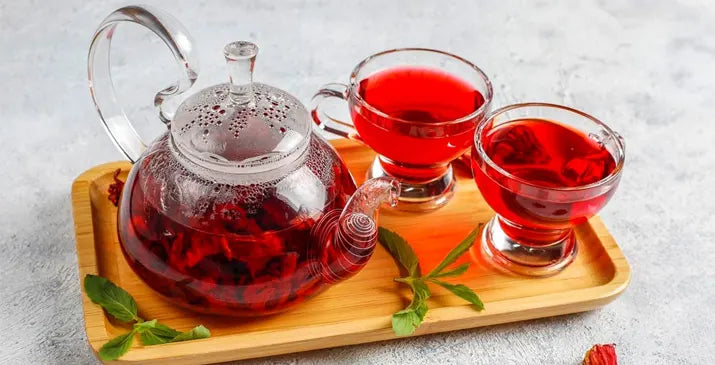
Hibiscus tea is a tart, ruby-red herbal drink, and people often ask whether it does anything for the liver. The short answer is that it may offer modest antioxidant support,* but the evidence is limited, and concentrated extracts carry a real caution.
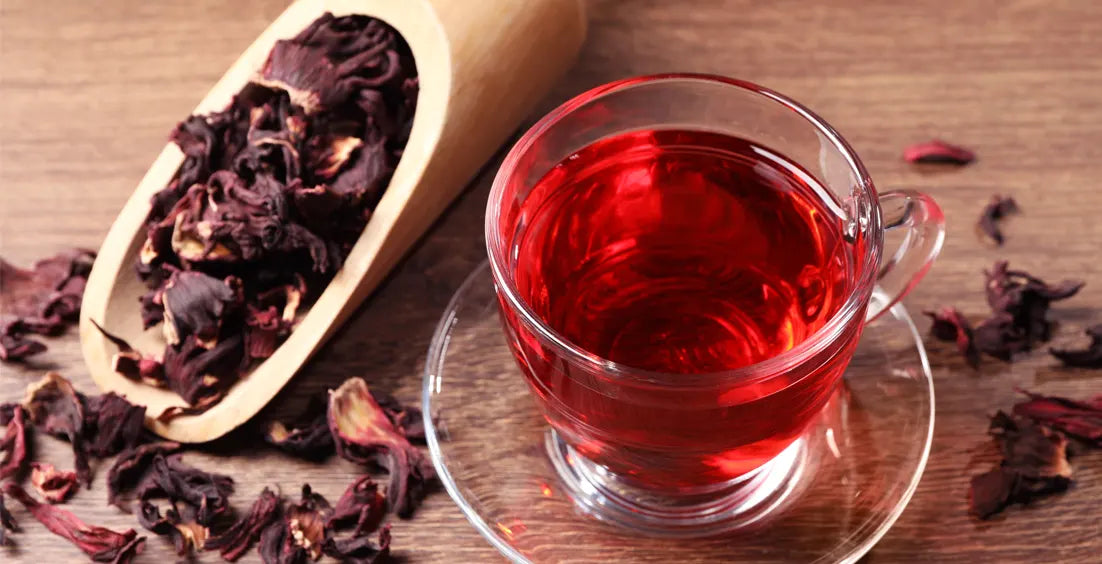
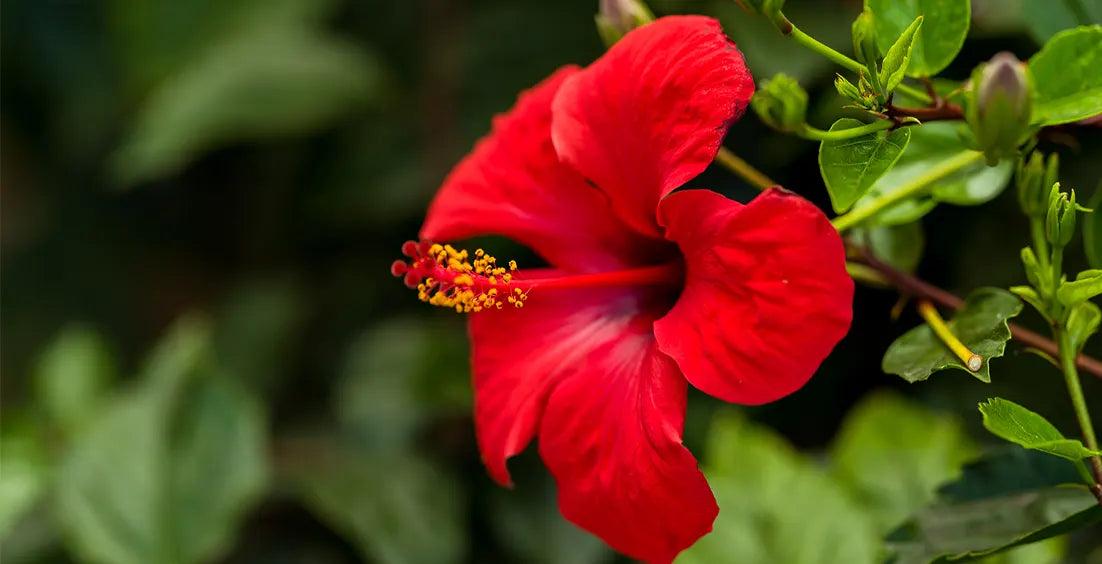
Hibiscus tea is brewed from the dried calyces of Hibiscus sabdariffa, the cup-like part of the flower that protects the bud. It’s naturally caffeine-free and contains vitamin C and other antioxidants, which may help protect cells from oxidative stress.*
That matters if you prefer food-first ways to support your liver, or if you’re comparing herbal options alongside advice from your doctor. It also matters because the form you choose changes the risk. A cup of tea and a high-dose extract are very different things.
This guide covers the possible liver benefits, the risks, and how to drink hibiscus tea sensibly, then answers common questions.
Key Takeaways
- Hibiscus tea’s antioxidants may support normal liver function,* but research on hibiscus and the liver is still emerging, and much of it involves extracts or animals.
- Hibiscus may help support healthy blood pressure, cholesterol and blood sugar, which matters because fatty liver disease is closely linked to these metabolic factors.*
- High concentrations of hibiscus extract have been linked to liver damage, so a moderate amount of brewed tea is the safer choice.
- Start with one cup a day. Most guidance suggests no more than 4 cups unless a doctor advises otherwise.
- Talk to a healthcare provider first if you take blood pressure, blood sugar, diuretic or hormonal medications, or have a liver or kidney condition. Hibiscus tea isn’t recommended during pregnancy or breastfeeding.
Understanding Hibiscus Tea and Your Liver
Before looking at the research, it helps to understand what hibiscus tea is and why it comes up in liver conversations.
What Hibiscus Tea Is
Hibiscus tea is an herbal tea, so it doesn’t come from the Camellia sinensis plant that gives us black and green tea. According to WOWMD’s weight management guide, it has a tart, cranberry-like flavor and can be enjoyed hot or chilled. WebMD adds that it goes by many names around the world, including sorrel tea, agua de Jamaica, bissap and karkade.
The Antioxidant Connection
Cleveland Clinic notes that hibiscus is rich in antioxidants, including beta-carotene, vitamin C and anthocyanins, the pigments behind its deep red color. Your liver processes nutrients, medications and other compounds every day, and that work produces oxidative stress. Antioxidants may help buffer it.*
The Metabolic Connection
There’s a second reason hibiscus comes up in liver conversations. Registered dietitian Trista Chan writes in Health that research suggests hibiscus may help lower blood pressure, improve cholesterol levels and reduce blood sugar. These effects matter for the liver because non-alcoholic fatty liver disease (NAFLD) is closely tied to high cholesterol, type 2 diabetes and other metabolic conditions.* Health notes that NAFLD affects nearly 25% of Americans.
Health Benefits of Hibiscus Tea for the Liver

The research on hibiscus and the liver is promising, but it comes with important limits.
What Studies Suggest
Cleveland Clinic reports that several studies suggest hibiscus extract helps protect the liver from a variety of toxins, likely because of its antioxidant activity.* Times of India adds that several animal and cell studies suggest hibiscus extracts can protect the liver from damage caused by toxins or fatty diets.
Liver Fat Buildup
WOWMD’s hibiscus tea benefits guide, reviewed by registered dietitian Veronica Rouse, notes that studies on hibiscus extract suggest it may reduce fat buildup in the liver and lower signs of liver damage.* WebMD describes one human study in which hibiscus extract may have improved liver steatosis, a buildup of fat in the liver.
Animal research points the same way. A 2023 study in Medicina gave hibiscus extract to rats on a vitamin B12-deficient diet, which causes liver damage. Over 8 and 16 weeks, the extract slowed liver damage and reduced fat buildup, inflammation and scarring in the liver. Results in rats don’t necessarily translate to people, and the researchers used a concentrated extract rather than tea.
Why Extracts and Tea Aren’t the Same
The key caveat is that most of this research used concentrated extracts, not brewed tea. Health notes that research on hibiscus and liver health specifically is still emerging, and many studies are small or use different preparations, which makes firm conclusions difficult. WebMD adds that liver studies have mainly been done in animals. The amount of active compounds in a home-brewed cup is far smaller than in an extract.
What “Detox” Really Means Here
Hibiscus is often marketed as a liver detox drink, but your liver already does that work on its own. The realistic role for hibiscus tea is to support the liver’s normal processes as part of healthy overall habits.*
Be wary of “detox” products in particular. Health reports that doctors have seen cases of liver injury in people who regularly drank a few cups of liver detox tea a day. It recommends avoiding multi-ingredient detox blends and choosing single-ingredient teas instead.
Swapping sugary drinks for unsweetened hibiscus tea may help indirectly. WOWMD’s liver supplements guide notes that limiting excess sugar, refined carbohydrates and processed foods can help reduce metabolic strain on the liver.
Hibiscus tea is worth drinking for its flavor, hydration and antioxidants. Don’t drink it expecting it to fix liver numbers that concern you or your doctor.
Potential Risks of Hibiscus Tea
Hibiscus tea is generally safe in food amounts, but there are real cautions to know before making it a daily habit.
High Doses and Liver Damage
The main liver concern is dose. Cleveland Clinic notes that the FDA considers hibiscus safe when consumed in food, but in very high doses it may cause liver damage. Times of India reports that some animal studies observed raised liver enzyme levels at very high doses, suggesting possible liver stress. WebMD adds that high concentrations of hibiscus extract may potentially cause liver damage.
That’s a reason to avoid stacking several hibiscus products or drinking large amounts every day.
Medication Interactions
Hibiscus may lower blood pressure. That sounds like a benefit, but WebMD warns that combined with blood pressure or diabetes medication, it can cause a significant drop in blood pressure. Other interactions to know about:
- Hormonal medications: WebMD notes that hibiscus contains plant estrogens that may reduce the effectiveness of birth control or hormone therapy.
- Chloroquine: WebMD adds that hibiscus can reduce the effectiveness of this malaria drug.
- Diuretics: Tua Saúde, a health information site reviewed by a registered nurse, advises against taking hibiscus tea with diuretics such as hydrochlorothiazide.
- Acetaminophen: Times of India lists acetaminophen among the medications hibiscus may interact with.
Who Should Check With a Provider First
WOWMD’s weight management guide advises talking to a healthcare provider before drinking hibiscus tea regularly if you take blood pressure, blood sugar, diuretic or hormonal medications, have a health condition, or are under 18. Tua Saúde adds people with a history of kidney or liver disease, and Times of India adds people with low blood pressure.
Pregnancy and Breastfeeding
WOWMD’s weight management guide states that hibiscus tea isn’t recommended during pregnancy or breastfeeding because of its potential effects on hormones. WebMD adds that its plant estrogens may trigger preterm labor.
Allergies
WebMD advises avoiding hibiscus if you’re allergic or sensitive to plants in the mallow family.
How to Safely Add Hibiscus Tea to Your Diet
Moderate, steady intake is the theme. These habits help keep it sensible.
Start Small and Set a Limit
There’s no official recommended amount. Registered dietitian Beth Czerwony told Cleveland Clinic that it’s perfectly acceptable, and possibly beneficial, to drink a cup of hibiscus tea a day. Times of India suggests starting with 1 to 2 cups a day and not exceeding 4 cups unless you’re under medical supervision. Notice how you feel, including any lightheadedness if you watch your blood pressure.
Choose Tea Over Extracts
Cleveland Clinic recommends drinking hibiscus tea rather than powder or extract, because powders and extracts vary in strength and may deliver a dose that’s too strong. Health also advises avoiding concentrated herbal extracts and sticking with moderate amounts of single-ingredient tea.
Brew It Simply
WebMD suggests using 2 tablespoons of dried hibiscus per 8-ounce cup. Pour boiling water over it, steep for 5 to 7 minutes, then strain. Use store-bought dried hibiscus, since not every hibiscus species is suitable for food.
For a smoother option, Times of India suggests cold brewing: steep dried hibiscus in cold water in the fridge for 8 to 12 hours, then strain. It notes this gives a fruitier, less bitter brew.
Keep It Unsweetened
A squeeze of lemon balances the tartness. Heavy sugar works against the liver-friendly habits you’re building.
Pick a Time That Suits You
Because hibiscus is naturally caffeine-free, an evening cup won’t add caffeine late in the day. Iced hibiscus also makes an easy swap for soda with lunch.
Avoid Doubling Up
If a supplement or blend you take already contains hibiscus, count it toward your daily total.
FAQs
This article is for informational purposes only and is not a substitute for professional medical advice, diagnosis, or treatment. Statements made on this website have not been evaluated by the U.S. Food and Drug Administration. Always consult a qualified healthcare professional before making changes to your diet, supplements, medications, or healthcare routine.