

Top Foods for a Healthy Liver: What to Eat for Optimal Liver Function
A Practical Guide to Liver-Friendly Foods, Healthy Fats, and Dietary Habits
 By WOWMD Staff

 Fact Checked
Advertiser Disclosure: WOWMD independently vets all recommended products. If you purchase a featured product, we may be compensated. Learn why you can trust us.

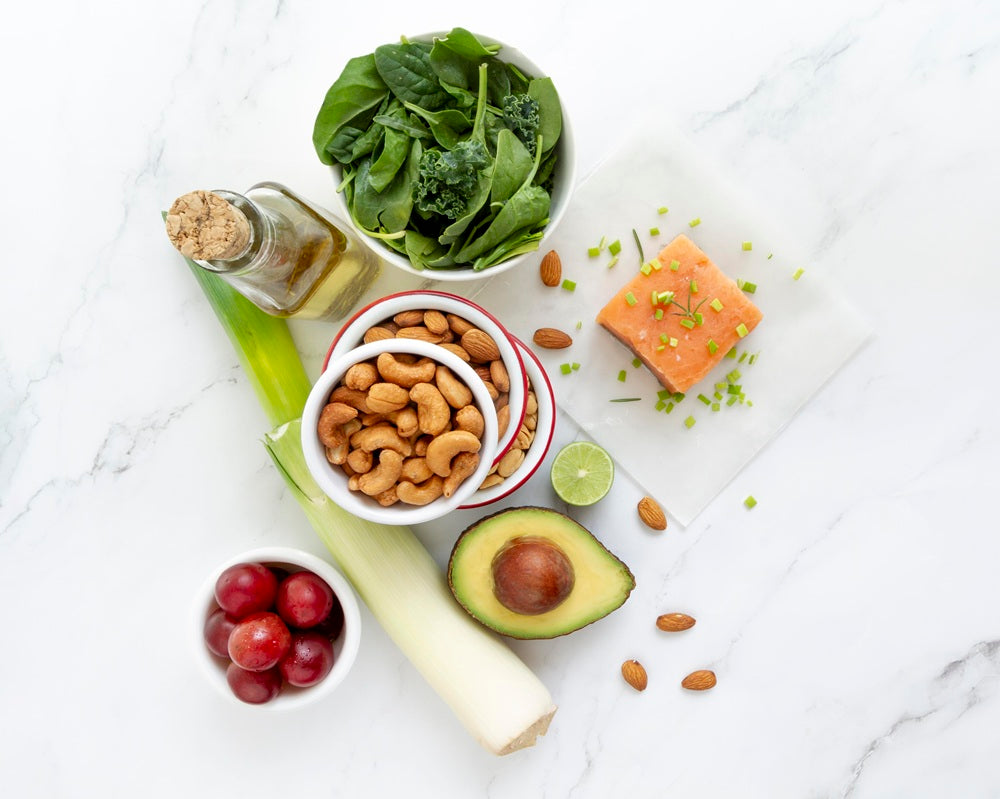
Your liver works around the clock. It processes nutrients, filters your blood, makes bile for digestion, and helps regulate blood sugar. What you eat has a direct effect on how well it does that job. This guide covers the foods most consistently linked to liver health, the foods to avoid, and where supplements fit in.
Key Takeaways
- Weight loss makes a measurable difference. Losing 5% of your body weight can reduce liver fat, and 10% or more may resolve liver inflammation.
- The Mediterranean diet is the most recommended eating pattern for people with fatty liver disease.
- Coffee may help. Studies suggest 2 to 3 cups a day may help protect the liver.
- Alcohol is a major liver stressor. Roughly 90% to 98% of alcohol is processed through the liver.
- Fast food adds up. In one study, people who got 20% or more of their calories from fast food had too much fat in their liver.
- No supplement can cure or prevent liver disease. Diet and lifestyle come first.
Why Diet Matters for Your Liver
Before getting into specific foods, it helps to understand why diet has such a direct effect on liver health, and why problems often go unnoticed.
What Your Liver Does
The American Liver Foundation explains that the liver filters toxins out of the blood and produces bile, among many other functions. It does this naturally, without special diets or cleanses. What it does need is a balanced diet that doesn’t overload it.
Fatty Liver Disease Often Has No Early Symptoms
Fatty liver disease happens when too much fat builds up in the liver. It’s now called metabolic dysfunction-associated steatotic liver disease (MASLD), and it was formerly known as nonalcoholic fatty liver disease (NAFLD). According to Hepatitis NSW, the most common causes are:
- Being overweight, especially carrying extra weight around the waist
- Type 2 diabetes or insulin resistance
- High blood cholesterol and triglyceride levels
- Drinking too much alcohol
Liver problems are easy to miss. The American Liver Foundation notes that the liver can often keep functioning normally even when it’s damaged, with few or no symptoms in the early stages. Signs like fatigue, yellowing of the skin, abdominal pain, and swelling may appear only once damage is advanced. That’s why regular check-ups and healthy daily habits matter.
How Much Weight Loss Helps
For people carrying extra weight, even modest weight loss can have a real effect. Here’s what the American Liver Foundation reports:
|
Weight Loss |
Effect on the Liver |
|
5% |
Can reduce fat buildup in the liver |
|
7% |
May start to reverse fatty liver disease |
|
10% or more |
Can resolve inflammation and may improve some scarring |
Advertisement

 *All individuals are unique. Your results can and will vary.
The Best Foods for Liver Health
Certain foods come up again and again in liver health research. Here are the ones worth adding to your regular meals.
Oatmeal and Whole Grains
Fiber-rich foods help your liver work at its best. According to WebMD, research shows oatmeal can help with weight loss, including belly fat, which can help keep liver disease away. Mayo Clinic recommends choosing 100% whole grains, such as oatmeal, brown rice, and whole-grain bread, pasta, and tortillas.
Leafy Greens
Spinach and other leafy greens contain glutathione, an antioxidant that WebMD says can help keep your liver working properly. They’re also high in fiber and low in calories.
Cruciferous Vegetables
WebMD notes that some studies suggest broccoli may help protect against fatty liver disease. Hepatitis NSW also lists broccoli, cauliflower, and cabbage among the foods that are especially good for the liver.
Berries
Blueberries contain polyphenols, plant compounds that may help protect against fatty liver disease. WebMD notes that dark chocolate, olives, and plums are other good sources of polyphenols.
Coffee
Good news for coffee drinkers: WebMD reports that drinking 2 to 3 cups a day may help protect your liver from damage caused by too much alcohol or an unhealthy diet. Keep it black or lightly sweetened, since added sugar works against your liver.
Green Tea, in Moderation
Green tea is rich in antioxidants called catechins. Brewed hot tea contains more catechins than iced or ready-to-drink versions. One important caution from WebMD: green tea extract, and rarely very large amounts of green tea, have been linked to liver injury. Stick to moderate amounts of brewed tea and avoid extracts.
Nuts
Almonds are a good source of vitamin E, which research suggests may help protect against fatty liver disease. Mayo Clinic recommends about four servings of raw, unsalted nuts and seeds a week, with a serving being ¼ cup. Good options include almonds, walnuts, cashews, sunflower seeds, and chia seeds.
Herbs, Spices, and Garlic
Oregano, sage, rosemary, cinnamon, and cumin are good sources of polyphenols, and they help you use less salt. According to House of Health, research has found that garlic supplements can help reduce body weight and liver fat in people with fatty liver disease.
Water
Choosing water over sugary drinks is one of the simplest ways to support a healthy weight. WebMD notes that drinking more water also helps you avoid dehydration and lets your liver function better.
The Role of Healthy Fats

The type of fat you eat matters as much as the amount. Some fats support your liver, while others add to the burden.
Monounsaturated Fats
According to the American Liver Foundation, monounsaturated fats found in avocados, eggs, nuts, olives, and olive oil can help reduce fat buildup in the liver. Mayo Clinic recommends cooking with olive, avocado, or grapeseed oil instead of butter or margarine.
Omega-3 Fats From Fish
Fatty, cold-water fish like salmon, tuna, sardines, and mackerel are rich in anti-inflammatory omega-3 fatty acids. Mayo Clinic recommends three or more servings of fish and seafood a week, with each serving about 3 to 5 ounces.
ALSO READ: Omega-3 Fatty Acids Benefits: According to a Dietician
Good Fats vs. Fats to Limit
|
Fat Type |
Main Sources |
Effect on the Liver |
|
Monounsaturated |
Olive oil, avocados, nuts, olives, eggs |
Can help reduce liver fat |
|
Polyunsaturated (omega-3) |
Salmon, tuna, sardines, mackerel, walnuts |
May help fight inflammation |
|
Saturated |
Red meat, butter, full-fat dairy |
Frequent intake may lead to fatty liver |
|
Trans |
Fried foods, packaged snacks |
Can increase inflammation and liver damage |
Balance still matters. The American Liver Foundation notes that too much of even a healthy fat can be harmful.
The Mediterranean Diet: A Practical Blueprint
Rather than focusing on single foods, most experts recommend an overall eating pattern. The Mediterranean diet is the one recommended most often for liver health.
Daily and Weekly Targets
Mayo Clinic recommends the Mediterranean diet for people with fatty liver disease, and notes it can help even without weight loss. Here are its suggested amounts:
|
Food Group |
How Much |
Serving Size |
|
Vegetables |
At least 3 servings a day |
1 cup raw or ½ cup cooked |
|
Fruits |
At least 2 servings a day |
1 cup fresh |
|
Fish and seafood |
3 or more servings a week |
3–5 oz |
|
Legumes and beans |
3 or more servings a week |
½ cup |
|
Nuts and seeds |
4 servings a week |
¼ cup |
Try the Plate Method
Mayo Clinic also suggests a simple way to build meals:
- Half your plate: non-starchy vegetables or fruit
- One quarter: whole grains or starchy vegetables
- One quarter: protein, such as fish, poultry, or beans
A Sample Day
Here’s what a liver-friendly day of eating might look like:
- Breakfast: A spinach and tomato omelet with whole-grain toast and avocado, plus coffee or tea
- Lunch: Bean and barley soup with a spinach salad and strawberries
- Snack: Raw vegetables with a handful of almonds
- Dinner: Baked salmon with brown rice and asparagus
- Dessert: Fresh berries with Greek yogurt
Advertisement

 *All individuals are unique. Your results can and will vary.
Foods to Avoid for Liver Health
What you cut back on matters just as much as what you add. Mayo Clinic advises that the foods below should be removed from your diet or eaten only on special occasions, because eating them regularly can lead to fatty liver disease or make it worse.
Foods to Avoid
|
Food to Avoid |
Common Examples |
Why It Harms the Liver |
|
Alcohol |
Beer, wine, spirits |
Mostly processed by the liver; can lead to cirrhosis |
|
Added sugar |
Candy, baked goods, sugary cereals |
Excess sugar is turned into liver fat |
|
Sugary drinks |
Soda, sports drinks, energy drinks, fruit juice |
Easy to over-consume; linked to fatty liver |
|
Fast food |
Burgers, fries, takeout |
Linked to excess liver fat |
|
Ultra-processed foods |
Packaged snacks, ready meals, instant foods |
High in sugar, salt, and unhealthy fat |
|
Fried foods |
French fries, fried chicken |
High in saturated and trans fat |
|
Red and processed meats |
Beef, bacon, hot dogs, lunch meat |
High in saturated fat |
|
Full-fat dairy |
Butter, cream, high-fat cheese |
High in saturated fat |
|
Refined carbohydrates |
White bread, white rice, white pasta |
Linked to increased liver fat |
|
Salty foods |
Chips, processed snacks, canned foods with added salt |
Linked to liver fat buildup |
|
Sweetened condiments |
Ketchup, barbecue sauce |
Often made with high-fructose corn syrup |
|
Green tea extract |
Concentrated supplements |
Linked to liver injury |
1. Alcohol
Roughly 90% to 98% of alcohol is processed through the liver, according to the American Liver Foundation. Over time, drinking too much can lead to cirrhosis. WebMD adds that even occasional binge drinking can be harmful: that’s four drinks in one sitting for women, or five for men.
GoodRx reports that your risk of liver disease is higher if you drink more than:
|
Group |
Per Week |
At One Time |
|
Men |
14 drinks |
4 drinks |
|
Women |
7 drinks |
3 drinks |
|
Adults over 65 |
7 drinks |
3 drinks |
If you already have fatty liver disease, Mayo Clinic advises avoiding alcohol entirely.
2. Added Sugar and Sugary Drinks
Part of your liver’s job is converting sugar into fat. WebMD explains that if you eat too much sugar, your liver makes too much fat, which can lead to fatty liver disease.
Sugary drinks carry an extra risk. GoodRx notes that they don’t fill you up as quickly, so it’s easy to take in far more sugar than you need. Studies show that the more sugar-sweetened drinks you have, the higher your risk of fatty liver disease. U.S. dietary guidelines recommend getting less than 10% of your daily calories from added sugars.
Common sources to watch for include:
- Regular soda, sports drinks, and energy drinks
- Sweetened coffee and tea drinks
- Fruit drinks and fruit juice
- Candy, cakes, cookies, and sugary cereals
- Sweetened condiments like ketchup and barbecue sauce
When reading labels, look out for added sugars listed as corn syrup, high-fructose corn syrup, dextrose, sucrose, cane juice, or malt syrup.
3. Fast Food
GoodRx cites a 2023 study that found people who got 20% or more of their calories from fast food had too much fat in their liver, with greater damage in people with diabetes or excess weight. WebMD notes that burgers and fries are high in saturated fat, which can lead to inflammation and, over time, scarring of the liver.
4. Ultra-Processed and Packaged Foods
Ultra-processed foods are changed so far from their natural form that they’re often full of additives, preservatives, sugar, salt, and fat. GoodRx links eating too many of them to fat buildup in the liver. Common examples include:
- Packaged cakes, cookies, and sweets
- Chips and other snack foods
- Packaged breakfast bars, rolls, and buns
- Ready-to-eat, microwavable, and instant meals
For a better snack, WebMD suggests an apple with nut butter, or sugar snap peas with hummus.
5. Fried Foods
Frying changes a food’s nutritional content, not just its taste and texture. GoodRx notes that fried foods are high in saturated and trans fat, and that people who eat more of them are more likely to be diagnosed with fatty liver disease. If you love the crunch, try an air fryer, bake at a high temperature, or cook with olive oil instead.
6. Red and Processed Meats
Beef, lamb, pork, bacon, sausages, hot dogs, and lunch meats are high in saturated fat. GoodRx notes that eating a lot of them raises your risk of fat in the liver. The American Liver Foundation suggests eating no more than a palm-sized amount per day of red meat, butter, cheese, and ice cream combined.
7. Full-Fat Dairy
Butter, cream, whole milk, and high-fat cheese are major sources of saturated fat. House of Health lists full-fat dairy among the foods to avoid with fatty liver. Low-fat or fat-free dairy is a better fit for a liver-friendly diet.
8. Refined Carbohydrates
White bread, white rice, white pasta, and pastries are stripped of fiber during processing. GoodRx explains that they raise blood sugar faster and leave you less full, both of which can increase the risk of fat and inflammation in the liver. Hepatitis NSW also links refined carbs to increased liver fat.
9. Salty Foods
Research links high salt intake to liver disease. GoodRx notes that people who regularly add extra salt to their food are more likely to develop fat buildup in the liver, and salty foods are also linked to cirrhosis and liver cancer. Flavor food with garlic, herbs, or lemon zest instead, and check sodium on packaged food labels.
10. Artificial Sweeteners
Swapping sugar for artificial sweeteners isn’t a guaranteed fix. GoodRx reports that research on artificial sweeteners and fatty liver is mixed, with some studies suggesting they may affect gut bacteria in ways that lead to liver fat buildup. In 2023, the World Health Organization recommended against using them for weight loss. Until more is known, it’s best to limit them.
11. High-Sugar Fruits, in Large Amounts
Fruit is healthy, but some fruits are much higher in natural sugar than others. House of Health suggests watching portions of:
- Mangoes
- Grapes
- Cherries and lychees
- Dried fruits such as raisins and dates
This doesn’t mean cutting out fruit. Lower-sugar options like berries, apples, and citrus are better everyday choices.
12. Green Tea Extract
Brewed green tea in moderation is fine, but concentrated green tea extract is a different story. WebMD notes that green tea extract has been linked to liver injury and liver failure. Avoid it unless your doctor recommends otherwise.
ALSO READ: Best Liver Supplements for Normal Liver Function: Guide 2027
Advertisement

 *All individuals are unique. Your results can and will vary.
Quick Reference: Liver-Friendly Foods
Here’s a summary of everything above, so you can see what to eat more of and what to cut back on.
|
Food |
Effect |
Why It Matters |
|
Oatmeal and whole grains |
Eat more |
Fiber supports a healthy weight |
|
Leafy greens |
Eat more |
Contain the antioxidant glutathione |
|
Broccoli and cruciferous vegetables |
Eat more |
May help protect against fatty liver |
|
Berries |
Eat more |
Polyphenols may help protect the liver |
|
Black coffee |
Eat more |
2–3 cups a day may help protect the liver |
|
Olive oil and avocados |
Eat more |
Monounsaturated fats may reduce liver fat |
|
Fatty fish |
Eat more |
Omega-3s help fight inflammation |
|
Nuts |
Eat more |
Almonds supply vitamin E |
|
Alcohol |
Avoid |
Mostly processed by the liver |
|
Sugary foods and drinks |
Avoid |
Excess sugar is turned into liver fat |
|
Fast, fried, and ultra-processed foods |
Avoid |
Linked to excess liver fat |
|
Red and processed meats |
Limit |
High in saturated fat |
|
White bread, rice, and pasta |
Limit |
Linked to increased liver fat |
|
Salty foods |
Limit |
Linked to liver fat buildup |
Where Supplements Fit In
Supplements can play a supporting role, but they’re not a substitute for diet and lifestyle. Here’s what experts say, and what to look for.
What Experts Say
The American Liver Foundation is clear that no supplement can cure liver disease or prevent damage on its own. Hepatitis NSW adds that the effectiveness of liver supplements varies, and that high doses or poor-quality products can harm the liver. Mayo Clinic notes that omega-3s and vitamin E show some promise for fatty liver, but more research is needed. It recommends taking supplements for fatty liver only if a healthcare professional prescribes them.
The takeaway: always talk to your doctor before starting a liver supplement, especially if you have a liver condition or take medication.
WOWMD® Liver Support
For people looking for daily support alongside a healthy diet, WOWMD Liver Support is a botanical formula designed to support normal liver function and digestive wellness.* It’s rated 4.9 out of 5 from 1,143 verified reviews.
What’s in it:
- Milk thistle, which contains silymarin
- Beetroot
- Artichoke extract
- Dandelion root
Key details:
- Take 2 veggie capsules once daily, 20 to 30 minutes before a meal, with 8 oz of water
- Gluten-free, non-GMO, and vegan
- Made in the USA in a GMP facility, with third-party lab-tested ingredients
Important to know: WOWMD Liver Support isn’t intended to heal, repair, detoxify, or treat liver damage or liver disease. Check with your healthcare provider before using it if you:
- Are pregnant or nursing
- Have a liver, kidney, gallbladder, bile duct, blood pressure, or blood sugar condition
- Are allergic to plants in the daisy (Asteraceae) family
- Take medication
- Are preparing for surgery
†These statements have not been evaluated by the Food and Drug Administration. These products are not intended to diagnose, treat, cure, or prevent any disease.
The Bottom Line on Eating for Liver Health
Your liver responds to what you eat every day, and the evidence points to a consistent pattern. Here are the habits that matter most:
- Build meals around whole foods. Vegetables, fruits, whole grains, legumes, and fish should make up most of your plate.
- Choose healthy fats. Use olive oil, avocados, nuts, and fatty fish in place of butter, red meat, and fried foods.
- Cut back on what burdens your liver. Avoid alcohol, added sugar, fast food, and ultra-processed foods.
- Aim for gradual weight loss if you need it. Even 5% can make a measurable difference.
- Stay consistent. Sustainable changes do more than short-term cleanses.
If you’d like extra support alongside a liver-friendly diet, explore WOWMD’s liver support collection, which includes WOWMD Liver Support and the Max Detox ACAI Berry Complex. Both are vegan, gluten-free, and non-GMO.
FAQs
This article is for informational purposes only and is not a substitute for professional medical advice, diagnosis, or treatment. Statements made on this website have not been evaluated by the U.S. Food and Drug Administration. Always consult a qualified healthcare professional before making changes to your diet, supplements, medications, or healthcare routine.