

How to Choose a Fiber Supplement for Regularity by Fiber Type
Find the right fiber supplement for regularity, digestive comfort, and gut health.
 By WOWMD Staff

 Fact Checked
Advertiser Disclosure: WOWMD independently vets all recommended products. If you purchase a featured product, we may be compensated. Learn why you can trust us.

Most adults don’t get enough fiber, and a supplement can help close the gap. But fiber supplements aren’t interchangeable. Some types add bulk and soften stool, while others mainly feed gut bacteria and do little for regularity. Some are also far more likely to leave you gassy.
This guide explains how the main fiber types differ, which ones the research supports for regularity, and what to check on a label before you buy.
Key Takeaways
- The type of fiber matters more than the brand. Different fibers behave very differently in your gut.
- Psyllium is one of the best-studied fibers for regularity and may help with both constipation and loose stools.
- Methylcellulose is less likely to cause gas because gut bacteria barely break it down.
- Fermentable fibers such as inulin and wheat dextrin feed gut bacteria but may do little to bulk up stool.
- Start with a small amount, increase gradually, and drink plenty of water.
Why Fiber Type Matters
Before comparing products, it helps to understand what makes one fiber different from another.
How Fiber Supports Regularity
According to a guide from UF/IFAS, fiber helps prevent constipation by bulking up stool, producing larger, softer stools that pass more easily. The same guide notes that most fiber supplements contain soluble fibers, which dissolve in water. Some of these work well for constipation, while others have little or no effect on stool bulk.
The Four Traits That Decide How a Fiber Works
A review in the American Journal of Lifestyle Medicine identifies four key characteristics: solubility, viscosity, gel formation and how much gut bacteria ferment the fiber. Once bacteria ferment a fiber, it’s no longer present in the stool, and by-products such as gas increase. That’s why fermentable fibers are more likely to cause bloating and less likely to soften stool.
Advertisement


Fiber Types Compared
Here’s how the most common supplement fibers stack up for regularity and comfort.
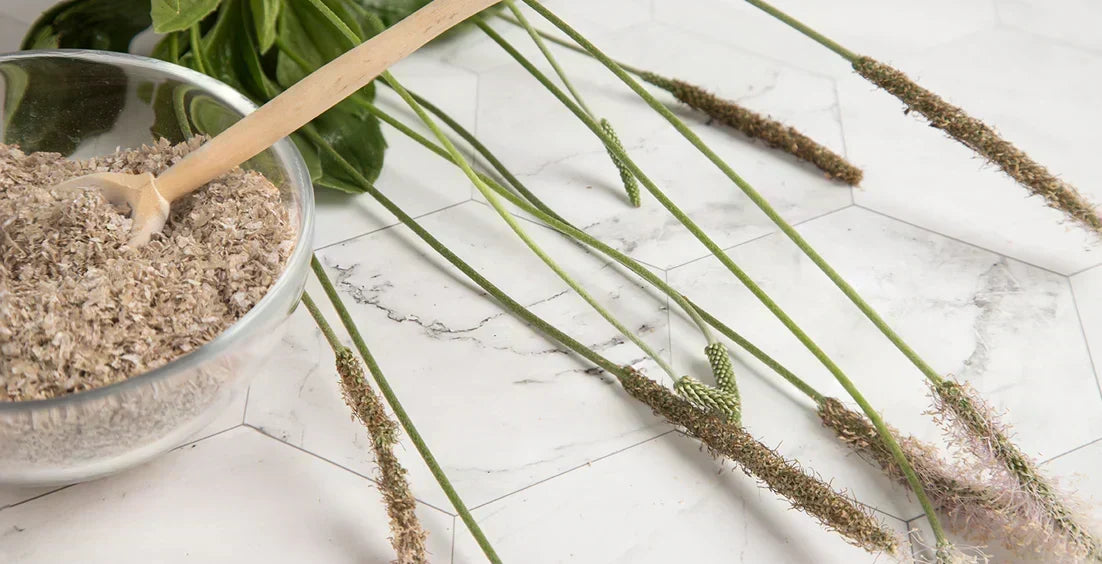
Psyllium
GoodRx describes psyllium as a soluble fiber that absorbs water and forms a gel, which helps soften stool. It can also help firm loose stools, making it one of the few fibers that may help with both constipation and diarrhea.
The American Journal of Lifestyle Medicine review notes that psyllium isn’t fermented, so it can increase stool water content and improve constipation symptoms.
- Who it may suit: People looking for a well-studied fiber for regularity
- What to check: UF/IFAS warns that psyllium thickens in water and can be a choking risk for people with swallowing problems, so take it with plenty of water
READ MORE: What Is Psyllium Husk? Everything You Need to Know
Methylcellulose
According to GoodRx, methylcellulose is a synthetic soluble fiber that absorbs water to help support regular bowel movements. Because gut bacteria don’t break it down much, it’s less likely to cause gas and bloating.
- Who it may suit: People who found other fibers uncomfortable
- What to check: How many capsules or scoops make up one serving
Inulin
GoodRx explains that inulin is a prebiotic fiber that feeds beneficial gut bacteria. It isn’t usually the best choice if your main goal is relieving constipation. Because bacteria ferment it, it can cause gas, bloating or stomach discomfort, especially at higher doses.
- Who it may suit: People whose main goal is supporting gut bacteria rather than regularity
- What to check: Start with a small amount to see how you tolerate it
READ MORE: What Is Inulin? Benefits, Uses & Dosage Guide
Wheat Dextrin
WebMD describes wheat dextrin as a soluble fiber extracted from wheat starch. The American Journal of Lifestyle Medicine review groups it with fermentable fibers that don’t provide the stool-softening benefits of psyllium.
- Who it may suit: People who want a fiber that mixes easily into food and drinks
- What to check: WebMD advises avoiding wheat dextrin if you have celiac disease or are gluten intolerant
Partially Hydrolyzed Guar Gum
GoodRx describes partially hydrolyzed guar gum (PHGG) as a soluble prebiotic fiber made from guar beans. It’s usually well tolerated and generally less likely to cause gas than some other prebiotic fibers, which makes it a reasonable option for sensitive stomachs.
Other Common Fibers
Cleveland Clinic also lists acacia gum, calcium polycarbophil and flaxseed among the common fibers found in supplements. If a product uses one of these, ask a pharmacist or healthcare provider how it’s likely to affect you.
Fiber Types at a Glance
|
Fiber Type |
Fermented by Gut Bacteria? |
Best For |
|
Psyllium |
No |
Regularity, softening stool, firming loose stools |
|
Methylcellulose |
Very little |
Regularity with less gas |
|
Inulin |
Yes |
Feeding beneficial gut bacteria |
|
Wheat dextrin |
Yes |
Adding fiber to food and drinks |
|
PHGG |
Yes |
Gut health and sensitive stomachs |
Advertisement


How to Compare Fiber Supplements
Once you know which fiber type suits you, the label tells you the rest.
Check Grams of Fiber per Serving
GoodRx notes that powders usually provide the most fiber per serving. Capsules are convenient but often contain only a small amount of fiber each, so you may need several. Products providing at least 3 to 5 grams per serving may be a more efficient way to boost your intake.
Watch for Added Ingredients
Some fiber supplements contain sorbitol, which UF/IFAS explains isn’t a fiber and may cause gas and discomfort. GoodRx also recommends avoiding proprietary blends that don’t list how much fiber you’re getting.
Look for Quality Testing
The FDA doesn’t approve dietary supplements before they’re sold, so GoodRx suggests looking for products tested by an independent third party.
WOWMD’s fiber supplements are capsule-based, vegan-friendly and gluten free, and are designed to fit easily into a daily routine.* Check each product label for its fiber source and serving size.
How to Add a Fiber Supplement to Your Routine
The way you start a fiber supplement affects how comfortable it feels.
Know Your Daily Target
The American Journal of Lifestyle Medicine review cites Institute of Medicine guidance of about 25 grams of fiber a day for women and 38 grams for men. Most adults fall well short. Food should come first, with supplements filling the gap.
Start Low and Go Slow
GoodRx recommends starting with a small dose and increasing by about 2 to 3 grams every few days. It may take a few days or even weeks for your body to adjust. Spreading your fiber across the day can also reduce gas and cramping.
Drink Plenty of Water
Many fibers absorb water, so staying hydrated helps them work properly, according to GoodRx.
Check Medication Timing
Some fiber supplements can affect how medications are absorbed. Both GoodRx and Cleveland Clinic advise talking to a healthcare professional if you take prescription medications.
See a Doctor About Ongoing Symptoms
Gastroenterologist Christine Lee, MD, told Cleveland Clinic that 10% to 15% of people with intestinal complaints may have conditions such as colon cancer or inflammatory bowel disease. If your symptoms are bothering you or affecting daily life, get them checked before relying on a supplement.
Advertisement


FAQs
This article is for informational purposes only and is not a substitute for professional medical advice, diagnosis, or treatment. Statements made on this website have not been evaluated by the U.S. Food and Drug Administration. Always consult a qualified healthcare professional before making changes to your diet, supplements, medications, or healthcare routine.