

6 Best L-Glutamine Powders for Gut Health & Recovery
Discover the best L-glutamine powder for gut health and recovery. Compare 6 top picks based on dosage, testing, ingredients, value, and more.
 By WOWMD Staff

 Fact Checked
Advertiser Disclosure: WOWMD independently vets all recommended products. If you purchase a featured product, we may be compensated. Learn why you can trust us.

L-glutamine powders have become increasingly popular among people interested in digestive health, workout recovery, and everyday nutrition. The amino acid itself is anything but new. Your body naturally produces glutamine, and it is also present in protein-rich foods. What has changed is the number of powders, capsules, fiber blends, greens formulas, and recovery drinks now using it.
That variety can make choosing an L-glutamine supplement surprisingly confusing. Some products deliver several grams of pure L-glutamine, while others contain only a small amount alongside fiber, electrolytes, or superfoods.
For this guide, we compared six options based on glutamine content, ingredient transparency, intended use, testing, convenience, value, and return policies. We also looked at what current research actually says about L-glutamine powder benefits, particularly for intestinal health and exercise recovery.
TL;DR / Key Takeaways
- Amino acid L-glutamine is involved in the metabolism of protein, functions in the intestine, immunity and transport of nitrogen.
- Dedicated powders usually offer a much higher amount of L-glutamine than fiber, greens or electrolyte powders that contain L-glutamine.
- Studies into intestinal permeability hold promise but this doesn't mean that L-glutamine is a cure for all digestive problems.
- Exercise studies have produced mixed results, with some indications of soreness and recovery, and few indications of substantial performance improvements.
- Consider the dosage of glutamine, ease of formula preparation, independent testing, number of servings, the cost, and why you are supplementing.
What Is L-Glutamine?
Glutamine is a highly prevalent amino acid in humans. It comes in two forms, L-glutamine and D-glutamine, but mostly L-glutamine is found in food, your body and dietary supplements.
Glutamine can be synthesized in the body and is known as a "conditionally essential" amino acid. Up to a certain point, when there is a large amount of physical stress, illness, injury, or other metabolic demand, glutamine needs may rise.
It is important to note that L-glutamine supplements are so popular when it comes to digestive health because the cells in the intestine are able to use glutamine as their energy source. Glutamine metabolism has also been linked to the integrity of intestinal barriers and immune-cell activity in the research arena.
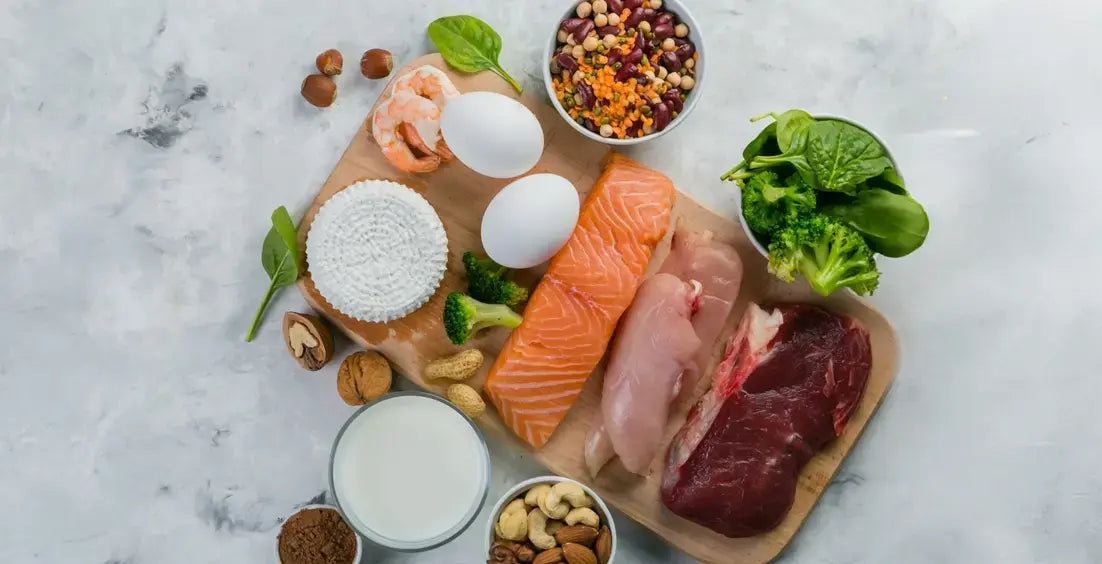
It doesn't necessarily mean everyone should take a supplement. Glutamine is readily available in protein-containing foods. Meat, fish, eggs, dairy products, soy foods, beans and other protein-rich foods are part of most balanced diets, and make up dietary intake of L glutamine.
Supplementation is primarily a means of ensuring a controlled intake without significantly raising the energy and protein density of one's diet.
Different Types of L-Glutamine Supplements
Pure L-Glutamine Powder
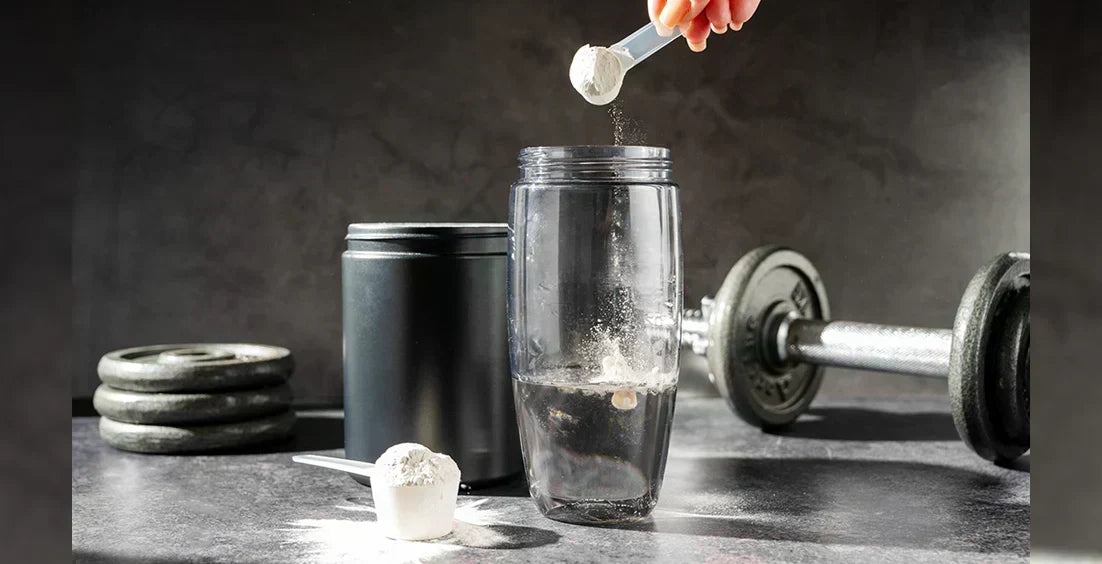
This is the most basic of formats. It usually has L-glutamine as either the main or sole ingredient and can be consumed in a gram serving in water, juice, or shakes.
Pure powders are generally the most convenient option for those who want to focus on L-glutamine and are often the most convenient way to make dose comparisons.
L-Glutamine Capsules
Capsules eliminate the necessity of measuring and mixing powder, and they are simple to take with you. What they are limited by is storage. A gram or more of powder might be sufficient for a scoop, but taking that same quantity of powder in capsules may involve swallowing several capsules.
Gut-Support Blends
Few digestive products are made with a combination of glutamine and prebiotic fiber, botanicals, or other ingredients. These can be useful when the overall goal is digestive support, but can be significantly less than in a dedicated glutamine powder.
Sports and Hydration Blends
Glutamine can also be found in workout formulas with electrolytes, BCAAs, minerals, or carbohydrates. The products are better suited when there is a need to replenish water or for recovery, instead of a specific, high dose of glutamine.
Greens and Meal-Replacement Powders
Large nutritional blends sometimes contain L-glutamine alongside protein, fiber, vitamins, minerals, probiotics, enzymes, and plant ingredients. They're the least direct way to supplement glutamine because the individual amount may not always be disclosed.
Our Top Picks
Best Overall: WOWMD L-Glutamine Powder
Best With Fiber: NativePath Native Fiber
Best All-in-One Nutrition Formula: Living Fuel SuperGreens
Best for Hydration: TRUWILD Hydrate
Best Budget: Nutricost L-Glutamine Powder
Best for Athletes: Thorne L-Glutamine Powder

Pros
- Simple, focused formula
- Easy once-daily powder format
- 30 servings per container
- 60-day money-back guarantee
Cons
- Higher price per container
- Lower glutamine dose than some 5 g competitors
Form: Powder | Dosage: 1 scoop daily | Servings per container: Approx. 30 | Price: $67 | Third-party tested: Brand states ingredients undergo testing and third-party verification
Key Ingredients:
L-Glutamine, Silicon Dioxide
Description:
WOWMD takes a straightforward approach with a powder centered on L-glutamine rather than a long proprietary blend. It is positioned for digestive wellness, muscle recovery, and convenient everyday supplementation.
Things to Consider:
It costs more than basic bulk glutamine powders, so buyers prioritizing price-per-gram may find cheaper alternatives.
WOWMD currently directs users to mix one scoop with 6 to 8 ounces of water or another beverage once daily. The container provides approximately 30 servings and comes with free U.S. shipping on orders above $60 and a 60-day money-back guarantee.

Pros
- Combines soluble and insoluble fiber
- 4 g baobab per serving
- Certificate of Analysis testing
- Naturally flavored and sweetened
Cons
- Only 200 mg L-glutamine
- Not a dedicated glutamine powder
Form: Flavored fiber powder | Dosage: 1 scoop daily | Servings per container: 30 | Price: $45 | Third-party tested: COA provided; independent third-party status not clearly specified
Key Ingredients:
Organic Baobab Fruit (Fibriss™), L-Glutamine, Himalayan Rock Salt
Description:
Native Fiber is primarily a digestive fiber formula rather than a conventional L-glutamine supplement, combining 4 grams of baobab with 200 mg of L-glutamine per serving.
Things to Consider:
Its glutamine dose is far below dedicated 3- to 5-gram powders, so fiber is the main reason to choose it.
NativePath recommends mixing one scoop into 8 to 12 ounces of water daily. The brand says supplements are produced in a GMP-certified facility and do not leave its warehouse without a Certificate of Analysis. It also currently offers free shipping and a 60-day return window.

Pros
- Includes protein and fiber
- Broad vitamin and mineral profile
- Includes probiotics and enzymes
- Third-party tested
Cons
- L-glutamine amount not separately disclosed
- Expensive compared with pure glutamine
- Formula may be excessive for simple glutamine supplementation
Form: Superfood meal powder | Dosage: Mix a serving with water or a smoothie | Servings per container: Not clearly stated on current product page | Price: $109.99 | Third-party tested: Yes
Key Ingredients:
Pea Protein, Rice Protein, Barley Juice Powder, Chia Seeds, L-Glutamine, Spirulina, Chlorella, Vitamins, Minerals, Probiotics, Enzymes
Description:
SuperGreens is closer to a drinkable meal than a standalone supplement, providing 30 grams of plant protein and 11 grams of fiber alongside L-glutamine and numerous micronutrients.
Things to Consider:
The individual L-glutamine dose isn't disclosed, making direct dose comparison with dedicated powders impossible.
Living Fuel lists the product at $109.99 and identifies it as third-party tested and Certified for Sport. U.S. retail orders receive free shipping above $200. Its published refund policy lists a 30-day return period for eligible unopened products.

Pros
- Includes protein and fiber
- Broad vitamin and mineral profile
- Includes probiotics and enzymes
- Third-party tested
Cons
- L-glutamine amount not separately disclosed
- Expensive compared with pure glutamine
- Formula may be excessive for simple glutamine supplementation
Form: Superfood meal powder | Dosage: Mix a serving with water or a smoothie | Servings per container: Not clearly stated on current product page | Price: $109.99 | Third-party tested: Yes
Key Ingredients:
Pea Protein, Rice Protein, Barley Juice Powder, Chia Seeds, L-Glutamine, Spirulina, Chlorella, Vitamins, Minerals, Probiotics, Enzymes
Description:
SuperGreens is closer to a drinkable meal than a standalone supplement, providing 30 grams of plant protein and 11 grams of fiber alongside L-glutamine and numerous micronutrients.
Things to Consider:
The individual L-glutamine dose isn't disclosed, making direct dose comparison with dedicated powders impossible.
Living Fuel lists the product at $109.99 and identifies it as third-party tested and Certified for Sport. U.S. retail orders receive free shipping above $200. Its published refund policy lists a 30-day return period for eligible unopened products.

Pros
- 5 g L-glutamine per serving
- Very competitive starting price
- Multiple container sizes
- Third-party tested
Cons
- Minimal formula offers few extras
- Bulk container may be less travel-friendly
Form: Powder | Dosage: 5 g per serving | Servings per container: 50 to 200, depending on size | Price: From $17.97 | Third-party tested: Yes
Key Ingredients:
L-Glutamine
Description:
Nutricost focuses on value and simplicity, providing 5 grams of L-glutamine per serving in several container sizes ranging from 250 grams to 1,000 grams.
Things to Consider:
There are few distinguishing formulation features beyond dose, simplicity, testing, and price.
Nutricost states that its products undergo independent accredited laboratory testing. The company currently provides free continental U.S. shipping on orders over $59 and backs orders with a 60-day money-back guarantee.

Pros
- 5 g L-glutamine per scoop
- 90 servings
- NSF Certified for Sport®
- 60-day satisfaction guarantee
Cons
- Premium price
- Basic single-ingredient approach
Form: Powder | Dosage: 1 scoop, 5 g | Servings per container: 90 | Price: $67 | Third-party tested: NSF Certified for Sport®
Key Ingredients:
L-Glutamine
Description:
Thorne pairs a full 5-gram glutamine serving with NSF Certified for Sport status, making it particularly relevant to competitive athletes who place additional importance on supplement testing.
Things to Consider:
Its price is considerably higher than basic bulk powders that provide a similar 5-gram serving.
Thorne currently lists 90 scoops for $67. Its 60-day satisfaction guarantee allows qualifying U.S. customers to request a refund, replacement, or store credit under the applicable terms.
Comparison Table
| Our Top Picks | WOWMD L-Glutamine | NativePath Native Fiber | Living Fuel SuperGreens | TRUWILD Hydrate | Nutricost L-Glutamine | Thorne L-Glutamine |
|---|---|---|---|---|---|---|
| Highlights | Focused L-glutamine powder; approx. 30 servings | 4 g baobab + 200 mg L-glutamine | Protein, fiber, greens, probiotics + L-glutamine | Electrolytes + amino acids; 20 servings | 5 g serving; strong value | 5 g serving; NSF Certified for Sport® |
| Third-party tested | Brand states third-party verification | COA testing; independent status unclear | Yes | Lab-tested; independent status unclear | Yes | Yes, NSF Certified for Sport® |
| Money-Back Guarantee | 60 days | 60-day return window | 30-day eligible unopened returns | 30 days | 60 days | 60 days |
| Shipping | Free U.S. shipping $60+ | Free shipping | Free U.S. retail shipping $200+ | Free U.S. shipping $65+ | Free continental U.S. shipping $59+ | Varies by order/account |
Product prices, availability, shipping offers, and policies can change. The figures above reflect the official websites checked for this comparison.
Is L-Glutamine Powder Good for You?
It can be useful, but whether it is worthwhile depends heavily on why you're taking it.
Glutamine already performs essential functions inside the body, but that doesn't automatically mean consuming extra glutamine improves health in otherwise well-nourished adults.
L-Glutamine Powder for Gut Health
Gut health is probably the most interesting area of L-glutamine research.
Cells lining the intestine use glutamine as an energy substrate, which provides a plausible biological reason for studying supplementation in intestinal-barrier function. A 2024 systematic review and meta-analysis of clinical trials found that glutamine supplementation could reduce measures of intestinal permeability in certain circumstances, although results differed substantially according to dose and study duration.
This makes the phrase L glutamine powder for gut health more defensible than some of the sweeping digestive claims used in supplement marketing.
It does not, however, mean L-glutamine has been proven to cure digestive disorders.
What About L-Glutamine for “Leaky Gut”?
“Leaky gut” is often used online as an umbrella term, but research typically evaluates intestinal permeability, which is more specific and measurable.
Glutamine is involved in intestinal-barrier physiology, and research suggests supplementation may influence permeability in certain populations. That is different from saying an L glutamine supplement for gut health universally “repairs” or “heals” the gut.
The distinction matters because digestive symptoms such as bloating, abdominal pain, diarrhea, constipation, or food intolerance can have many causes.
Exercise Recovery
This is where the evidence becomes less straightforward.
A 2015 randomized study found that oral L-glutamine supplementation improved recovery of peak torque and reduced muscle soreness following eccentric exercise.
It shouldn't be treated like a proven muscle-building or performance-enhancing supplement.
L-Glutamine for Weight Loss
Claims surrounding L glutamine for weight loss are much less established.
A small pilot study examining glutamine and body weight reported weight reduction in women with overweight or obesity, but the study was very small and exploratory. It isn't enough evidence to position glutamine as a reliable weight-loss supplement.
If weight management is the goal, calorie intake, food quality, protein and fiber intake, physical activity, sleep, and long-term adherence have considerably stronger practical importance.
L-Glutamine Powder vs. Capsules: Which Is Better?
Neither format is inherently more effective. The main difference is convenience.
| L-Glutamine Powder | L-Glutamine Capsules |
|---|---|
| Easier to obtain gram-level servings | Easier to carry while traveling |
| Usually better value per gram | No measuring required |
| Easy to add to shakes or water | No powder texture or mixing |
| Dose can be adjusted easily | Multiple capsules may be needed for larger doses |
| Better suited to frequent higher servings | Better for users who dislike drink mixes |
Powder makes particular sense when the target serving is around several grams. Taking the equivalent amount in capsules may mean swallowing multiple capsules depending on their individual strength.
Capsules are more convenient for someone who values portability or doesn't want another drink in their routine.
In other words, the best format is the one you're most likely to use consistently.
How to Incorporate L-Glutamine Powder into Your Routine
L-glutamine doesn't require an elaborate schedule.
Start With the Product's Serving Directions
Different products contain very different amounts. A dedicated powder might supply several grams per scoop, whereas a fiber or hydration blend can contain much less. Don't assume that one scoop from every product is equivalent.
Mix It With a Drink You Already Use
Unflavored L-glutamine can usually be added to water, a protein shake, or another cool beverage. Using an existing daily habit can make supplementation easier to remember.
Post-Workout Is Convenient, Not Mandatory
For exercise-focused users, taking glutamine after training is convenient because it can be added to a recovery shake. There isn't strong evidence that a narrow post-workout timing window is necessary.
For Gut Health, Consistency Matters More Than the Clock
There isn't an established universal “best time” for gut health. Following the product directions consistently is more practical than trying to find a perfect hour of the day.
Don't Stack Products Without Checking the Labels
A glutamine powder, greens powder, pre-workout, amino-acid supplement, and hydration product could all contain overlapping ingredients. Check the total amount you're consuming rather than evaluating each product independently.
How to Choose the Best L-Glutamine Powder
Look at the Actual L-Glutamine Dose
This is the easiest way to separate dedicated supplements from products simply containing glutamine.
In this comparison, for example, Native Fiber provides 200 mg, while Nutricost and Thorne provide 5 g per serving. Those products serve fundamentally different purposes.
Check Whether the Formula Matches Your Goal
If you simply want L-glutamine, a single-ingredient powder keeps things straightforward.
If your priority is regularity, a fiber blend may make more sense. Athletes may value electrolytes or sports certification, while someone seeking a broader nutritional shake may prefer protein, greens, and micronutrients.
More ingredients don't automatically make a supplement better.
Prioritize Transparent Labels
A label should clearly identify serving size, ingredients, and preferably the amount of L-glutamine.
When glutamine is buried inside a larger blend without an individual amount, comparing potency becomes difficult.
Look for Meaningful Testing
“Made in a GMP facility,” “lab tested,” “Certificate of Analysis available,” “third-party tested,” and “NSF Certified for Sport” don't all mean exactly the same thing.
For athletes subject to drug testing, a recognized sport certification can have more practical significance than a general quality statement.
Compare Cost Per Serving, Not Bottle Price
A $20 product isn't necessarily cheaper if it contains very few servings. Likewise, a $60 container may make sense if it lasts three months.
Consider:
Bottle price ÷ number of servings = cost per serving
For pure glutamine powders, comparing cost per gram of L-glutamine can be even more useful.
Don't Buy Based on “Leaky Gut” or Weight-Loss Claims Alone
The biological role of glutamine in the intestine is legitimate, but marketing language can move well beyond the research. Likewise, early weight-loss findings don't establish glutamine as a fat-loss ingredient.
Choose based on formula quality and your nutritional needs rather than dramatic promises.
Side Effects & Safety Measures
L-glutamine is naturally present in the human body and food, and supplemental amounts used in studies are often well tolerated. Still, supplements aren't completely free from side effects.
Reported L glutamine side effects can include:
- Nausea
- Constipation
- Abdominal discomfort
- Headache
MedlinePlus lists these among reported adverse effects of oral L-glutamine.
Research examining glutamine dosing has generally reported good short-term tolerance in healthy adults, although long-term, high-dose use is less thoroughly characterized.
A few practical precautions help:
Start with the labeled serving rather than assuming more will work better. If you are pregnant or breastfeeding, have a medical condition, take prescription medication, or are using glutamine for a diagnosed gastrointestinal problem, discuss supplementation with a healthcare professional.
People experiencing persistent digestive symptoms should also avoid using supplements as a substitute for finding the underlying cause.
Conclusion
L-glutamine is an important amino acid involved in protein metabolism, intestinal cell function, immune activity, and recovery processes. While supplementation has been studied for digestive health, intestinal permeability, and exercise recovery, the results are not equally strong across every use.
When choosing an L-glutamine powder, focus on the amount provided per serving, ingredient transparency, testing standards, serving count, and overall value. It is also important to distinguish dedicated L-glutamine powders from broader fiber, greens, and hydration formulas that may contain much smaller amounts.
Most importantly, expectations should remain realistic. L-glutamine may support specific nutritional or wellness goals, but current research does not support treating it as a universal solution for gut problems, weight loss, muscle growth, or athletic performance.
FAQs
This article is for informational purposes only and is not a substitute for professional medical advice, diagnosis, or treatment. Statements made on this website have not been evaluated by the U.S. Food and Drug Administration. Always consult a qualified healthcare professional before making changes to your diet, supplements, medications, or healthcare routine.

References
WOWMD follows strict sourcing guidelines to ensure the accuracy of its content, outlined in our editorial policy. We use only trustworthy sources, including peer-reviewed studies, qualified experts, and information from top institutions.


- A systematic review and meta-analysis of clinical trials on the effects of glutamine supplementation on gut permeability in adults https://pubmed.ncbi.nlm.nih.gov/39397201/
- The Influence of Oral L-Glutamine Supplementation on Muscle Strength Recovery and Soreness Following Unilateral Knee Extension Eccentric Exercise https://pubmed.ncbi.nlm.nih.gov/25811544/
- Glutamine supplementation favors weight loss in nondieting obese female patients. A pilot study https://pubmed.ncbi.nlm.nih.gov/25226827/