



Whole Body Detoxification: What the Evidence Actually Supports
Support your body's natural detoxification with hydration, fiber, movement, sleep, and healthy habits.
 By WOWMD Staff

 Fact Checked
Advertiser Disclosure: WOWMD independently vets all recommended products. If you purchase a featured product, we may be compensated. Learn why you can trust us.

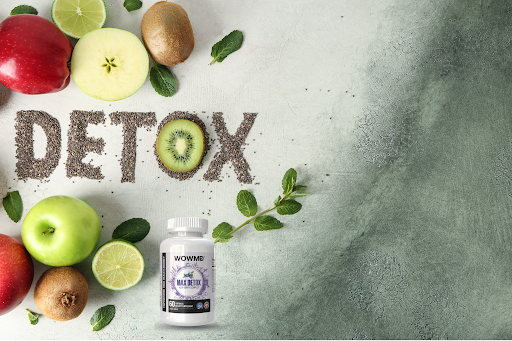
Your body runs a sophisticated detoxification system around the clock, and whole-body detoxification refers to the ongoing biological process by which your liver, kidneys, lungs, skin, and digestive tract identify and eliminate waste products, environmental compounds, and metabolic byproducts.
This process matters for health-conscious adults actively managing energy, digestion, and long-term vitality, as well as anyone dealing with sluggish metabolism, skin clarity, or digestive balance. Understanding how the body’s natural systems work gives you a more grounded foundation for the choices you make every day.
The sections ahead cover common detox myths, evidence-based practices, how to support natural detoxification, the role of diet, and practical guidance for safe daily habits.
TD:LR:
- The liver, kidneys, lungs, skin, and digestive tract work continuously to filter and eliminate waste without requiring external activation.
- No commercial cleanse or supplement has been shown in peer-reviewed research to meaningfully accelerate the liver’s natural enzymatic capacity.
- Consistent daily habits including adequate hydration, dietary fiber, physical activity, and sufficient sleep provide the most reliable support for the body’s elimination pathways.
- Certain botanical extracts such as silymarin, the active compound in milk thistle, may help support healthy liver cell function at the cellular level.
- Reducing dietary alcohol, ultra-processed foods, and unnecessary chemical exposures lowers the total burden placed on the liver and kidneys.
Common Myths About Detoxification
Detoxification generates more misinformation than almost any other wellness topic, and sorting fact from fiction matters because some popular “detox” practices carry real health risks.
Myth 1: Your Body Cannot Detox Without Help
The liver, kidneys, lymphatic system, and gastrointestinal tract work continuously to filter and eliminate waste. No commercial product activates this system, because it is already active. Nutrition plays a legitimate role by supplying the micronutrients, phytonutrients, and botanical extracts that support these organs.
Myth 2: Juice Cleanses Flush Toxins from Your System
There is no clinical evidence that juice fasting removes toxins faster than a normally functioning liver and kidneys. Research confirms that drug and metabolic detoxification involves liver biotransformation and kidney excretion, and no methods have been shown to accelerate those processes. Juice cleanses create a short-term calorie deficit and spike dietary sugars.
Myth 3: More Aggressive Equals More Effective
Some cleanses rely on laxatives, enemas, or colon cleansing. These approaches can do more harm than good.
NCCIH warns that laxatives can cause diarrhea, which can lead to dehydration. It also notes there’s insufficient evidence for colon cleansing, and that colon cleansing procedures may have serious side effects. MD Anderson adds that colon detoxes can cause electrolyte imbalances, and very restrictive regimens can lead to fatigue and muscle loss.
“These diets appear harmless since they use natural foods and products, but we do not have evidence that they are safe or that they work,” says Lindsey Wohlford, a wellness dietitian at MD Anderson.
Esophageal cancer affects the tube connecting the throat to the stomach and is among the more serious gastrointestinal malignancies, while colon cancer arises in the large intestine. Both risk factors matter because aggressive mechanical or chemical cleansing protocols can repeatedly stress or damage the digestive tract's mucosal lining.
The same CancerWise guidance notes that aggressive detox regimens do not reduce cancer risk and may, in some cases, interfere with medically supervised cancer care. Lung cancer, which begins in lung tissue and affects the respiratory system’s role as an elimination pathway for volatile metabolic byproducts, is not improved by commercial cleansing protocols; smoking cessation and reducing occupational chemical exposures are the evidence-supported risk-reduction strategies recognized by oncology researchers.
Eye cancer, encompassing malignancies such as ocular melanoma that affect eye tissue, similarly carries no connection to commercial detoxification and is mentioned in oncology literature specifically to underscore that aggressive cleansing regimens offer no protective benefit against cancers of any type.
Beyond those cancer associations, harsh protocols also disrupt microbiome balance, deplete electrolyte balance, and place unnecessary stress on the gut lining, none of which supports the body’s elimination capacity.
Myth 4: Detox Supplements Replace a Poor Diet
Supplements formulated to support digestive health work alongside adequate fiber, hydration, and whole foods, not in place of them. The phytonutrients and botanical extracts in a quality formula complement the body’s metabolic function; they don’t override the foundational role of daily nutrition.
“Detoxes are not meant to be a long-term eating pattern, so the results are not long-term, either,” says Wohlford. Consistent habits over weeks and months are what support your body over time.
Myth 5: Short-Term Cleanses Produce Lasting Results
Consistent daily habits across weeks and months are what research consistently points to as meaningful support for metabolic function and overall wellness, not periodic short-term protocols.*
These statements have not been evaluated by the Food and Drug Administration. These products are not intended to diagnose, cure, or prevent any disease.
Advertisement

 *All individuals are unique. Your results can and will vary.
Evidence-Based Detox Practices
Your body’s detoxification organs work continuously, but your daily choices in nutrition, movement, and hydration either support them or add burden. The practices below address how your liver, kidneys, lymphatic system, lungs, and skin actually process and remove waste.
The National Center for Complementary and Integrative Health (NCCIH), part of the National Institutes of Health (NIH), notes that rigorous scientific evidence supporting commercial detox programs is lacking and that the body’s organs handle detoxification reliably under normal, healthy conditions. The NCCIH NIH position reinforces that lifestyle practices, rather than commercial cleansing products, are what the research supports.
Drink enough water
Adequate water intake supports kidney filtration, which is the primary route your body uses to excrete water-soluble waste compounds and metabolic byproducts.* Most adults benefit from roughly eight cups of water daily, though individual needs vary by body size, activity level, and climate. Herbal teas and water-rich vegetables contribute to total fluid intake and carry phytonutrients that may support liver enzyme activity.*
Eat more fiber and whole foods
Dietary fiber plays a central role in moving waste through the digestive tract and binding certain compounds for excretion.* Foods rich in cruciferous vegetables, such as broccoli and Brussels sprouts, supply glucosinolates that research associates with supporting phase-two liver detoxification enzymes.* Colorful plant foods also deliver antioxidant compounds that help the body manage oxidative stress generated during normal metabolic function.*
For more on this, see our guide to the best fiber supplements for constipation.
Move regularly
Regular aerobic exercise supports circulation and lymphatic flow, helping move cellular waste to the organs of excretion.* The lungs are a primary detoxification route for volatile byproducts of cellular metabolism, including carbon dioxide, and aerobic activity increases respiratory efficiency. Exercise also supports healthy sweating, allowing the skin to help eliminate waste.
Prioritize sleep
The brain’s glymphatic system, a network of channels that clears waste from neural tissue, operates primarily during deep sleep.* Consistent sleep of seven to nine hours per night is associated with more efficient waste clearance and lower systemic inflammation markers.*
Sleep may help clear waste from the brain. In a 2013 NIH-funded study in mice, researchers found that the brain’s glymphatic system cleared waste faster during sleep. The space between brain cells increased by 60 percent while the mice slept.
“We need sleep. It cleans up the brain,” said Dr. Maiken Nedergaard, who led the study. These findings come from animal research, but they add to the long list of reasons to aim for seven to nine hours a night.
Limit alcohol and ultra-processed food
Reducing alcohol, ultra-processed foods, and unnecessary chemical exposures lowers the total burden on the liver and kidneys, allowing them to maintain their natural processing capacity more effectively.*
These statements have not been evaluated by the Food and Drug Administration. This product is not intended to diagnose, cure, or prevent any disease.
Also read: Best Supplements for Liver Support: What the Research Says

Supporting Natural Detoxification
Your body’s detoxification pathways are already running, and the question is whether your daily habits are giving them what they need to work well. Lifestyle choices are the most direct input you have over how efficiently those systems function.
These evidence-informed steps consistently appear in research on supporting natural detoxification.
- Prioritize adequate hydration. Drinking sufficient water throughout the day supports kidney filtration and helps the body move water-soluble metabolic byproducts toward excretion. Starting the day with a full glass of water before coffee gives the kidneys an early head start after overnight fasting.*
- Increase dietary fiber. Fiber from vegetables, legumes, and whole grains supports regular gut transit, binds certain compounds the liver has already processed, and feeds beneficial gut bacteria that contribute to microbiome balance.* Aiming for a variety of fiber sources across meals delivers both soluble and insoluble types.
- Add cruciferous vegetables to daily meals. Broccoli, Brussels sprouts, kale, and cauliflower supply glucosinolates and sulforaphane, plant compounds associated with supporting Phase II liver detoxification enzymes that convert fat-soluble compounds into water-soluble forms ready for excretion.*
- Move your body regularly. The lymphatic system, which carries cellular waste products toward elimination organs, has no pump of its own and relies on muscular contraction to move fluid. Regular aerobic exercise supports both lymphatic circulation and respiratory clearance of volatile metabolic byproducts.*
- Protect your sleep. The brain’s glymphatic system removes metabolic waste from neural tissue most actively during deep sleep. Prioritizing seven to nine hours of quality sleep each night supports whole-body clearance in a way that no supplement can replicate.*
- Reduce your burden load. Limiting alcohol, minimizing ultra-processed foods, and reducing unnecessary exposure to synthetic chemicals lowers the total volume of compounds your liver and kidneys must process, freeing those organs to work more efficiently on routine detoxification tasks.*
- Support the liver with researched botanicals. Silymarin, the active compound in milk thistle, is among the most studied botanical extracts for supporting liver cells and may help maintain healthy hepatic function as part of a consistent daily routine.* Quality supplement formulas that include such ingredients are designed to complement lifestyle habits, not replace them.
Building these habits into a consistent daily pattern is what the research supports most clearly. Physicians completing graduate medical education, the structured postgraduate residency and fellowship training that follows medical school and prepares doctors for clinical practice, and registered dietitians alike emphasize that sustainable dietary and lifestyle changes produce more reliable benefits for the body’s natural systems than any periodic cleansing protocol.
Milk thistle is the best-known herb for liver support. Its main active compound is silymarin. According to LiverTox, a National Institutes of Health database, human studies are promising but inconclusive, and controlled trials in some liver conditions found little or no benefit. It’s generally well tolerated. You can learn more in our guide on what milk thistle does for the liver.
For most other “detox” ingredients, research in people is limited. That doesn’t make them useless, but it does mean you should keep expectations realistic. A supplement can support your routine. It can’t remove toxins on a set timeline or reset your organs.
“I always recommend speaking with a medical professional expert before starting any supplement,” says Dr. Morse.
Advertisement

 *All individuals are unique. Your results can and will vary.
The Role of Diet in Detoxification
What you eat each day either supports or adds to the workload of the organs that filter and neutralize compounds in your body. Diet is one of the most direct levers you can pull to support that process.
Whole foods rich in phytonutrients and fiber form the dietary foundation of healthy detoxification.*
The liver uses enzymes, including cytochrome P450, to break down toxins into intermediate forms through two sequential phases of enzymatic activity, converting fat-soluble compounds into water-soluble forms that can be excreted. Cruciferous vegetables such as broccoli, Brussels sprouts, and cauliflower supply plant compounds that research associates with supporting these enzymatic pathways.*
Fiber plays a separate but equally important role. Soluble fiber from oats, legumes, and flaxseed feeds beneficial gut bacteria, which supports microbiome balance and helps the digestive tract move waste efficiently.* Insoluble fiber from leafy greens and whole grains adds bulk that reduces the time compounds spend in the colon.
Research on diet and cancer risk further illustrates why these choices matter beyond immediate detoxification. Prostate cancer, a malignancy affecting the prostate gland in men, and ovarian cancer, which arises in the female reproductive system, are both subjects of ongoing dietary research, with studies examining whether plant-rich diets and reduced processed food intake may support healthier cellular environments.
Endometrial cancer, a malignancy of the uterine lining, is similarly studied in relation to metabolic health and diet quality. These associations underscore that dietary patterns that affect the body’s metabolic and elimination systems have long-term significance beyond short-term detoxification goals. However, no dietary change can be said to prevent cancer.
Hydration and Its Practical Role
Adequate fluid intake supports kidney filtration and helps the body excrete water-soluble waste products through urine, making hydration a foundational component of daily detoxification support.* A practical approach to hydration includes the following habits.
- Morning intake. Starting the day with a large glass of water before coffee or food gives the kidneys a head start on clearance after overnight fasting.
- Consistent spacing. Distributing fluid intake across the day supports steady kidney function rather than placing a short-term load on the system.
- Food-based hydration. Cucumber, celery, and citrus fruits contribute meaningful fluid alongside electrolytes that support overall electrolyte balance.*
Dietary Patterns That Compound Support
Diets high in ultra-processed foods, added sugars, and alcohol place a greater metabolic burden on the liver, requiring it to allocate more enzymatic resources to those inputs rather than routine detoxification tasks.* Replacing refined foods with fresh fruits and vegetables may deliver a natural energy boost while shifting the dietary pattern toward one that gives the body’s organs a clearer path to doing what they already do well.*
These statements have not been evaluated by the Food and Drug Administration. These products are not intended to diagnose, cure, or prevent any disease.
Putting the Evidence Into Practice
The evidence consistently points to the same conclusion: daily lifestyle habits influence how well detoxification systems function more than any short-term cleanse protocol.
Your body has natural detoxification systems that work continuously, and supporting them comes down to a manageable set of repeatable choices. The following practices reflect what the research actually supports.
- Hydration. Adequate daily water intake supports kidney filtration and helps the body move waste products toward excretion through urine and sweat.*
- Dietary fiber. Fiber from vegetables, legumes, and whole grains supports gut transit and helps limit the reabsorption of compounds the liver has already processed for removal.*
- Cruciferous vegetables. Broccoli, Brussels sprouts, and kale contain phytonutrients that may support Phase II liver enzyme activity, the step that makes compounds water-soluble enough to excrete.*
- Limiting alcohol. Alcohol places a direct metabolic burden on hepatic tissue, and reducing intake is one of the clearest modifiable factors for liver health.*
- Consistent movement. Regular physical activity supports lymphatic circulation, which relies on muscular contraction to move fluid since the lymphatic system has no pump of its own.*
- Adequate sleep. The glymphatic system in the brain, which clears metabolic byproducts from neural tissue, is most active during deep sleep, making rest a functional component of whole-body clearance.*
What the Evidence Does Not Support
No supplement, tea, or multi-day juice protocol has been shown in peer-reviewed research to meaningfully accelerate the liver’s enzymatic capacity beyond what it performs under normal, healthy conditions. The sources reviewed for this article do not provide data supporting accelerated detoxification from commercial cleanse products.
The sources do support that certain botanical extracts, such as silymarin (the active compound in milk thistle), may support healthy liver cell function at the cellular level.* The meaningful distinction is between ingredients that support the liver’s existing work and marketing claims that a product removes toxins or resets organ function in a defined timeframe.
Detox programs may also help the body manage accumulated waste more efficiently. However, that benefit is most reliably achieved through sustained dietary and lifestyle habits rather than short-term protocols.*
These statements have not been evaluated by the Food and Drug Administration. These products are not intended to diagnose, cure, or prevent any disease.
Advertisement

 *All individuals are unique. Your results can and will vary.
Conclusion
Your body detoxes every day without a cleanse. Your liver, kidneys, lungs, skin, and gut do the work, and your daily habits decide how well supported they are.
Skip the aggressive cleanses. Focus on water, fiber, cruciferous vegetables, regular movement, good sleep, and less alcohol. These are the steps with the strongest evidence behind them.
At WOWMD, you’ll find expert-recommended, science-backed formulas made in the USA, designed to support your wellness routine with high-quality ingredients. Results build over time, and supplements work best alongside healthy habits.
Ready to take the next step? Explore WOWMD Max Detox Acai Berry Complex to find the digestive support that fits your routine.
Individual results may vary. Supplements are not intended to diagnose, treat, cure, or prevent any disease. Consult your healthcare provider before starting any new supplement regimen.
FAQs
This article is for informational purposes only and is not a substitute for professional medical advice, diagnosis, or treatment. Statements made on this website have not been evaluated by the U.S. Food and Drug Administration. Always consult a qualified healthcare professional before making changes to your diet, supplements, medications, or healthcare routine.

