

Is Valerian Root Safe For Pregnancy? Find Out Here
Is valerian root safe for pregnancy? In this article, we break down the risks, effects, and expert-approved alternatives for better sleep and stress relief.
 By WOWMD Staff

 Fact Checked
Advertiser Disclosure: WOWMD independently vets all recommended products. If you purchase a featured product, we may be compensated. Learn why you can trust us.


Valerian root is a popular herbal remedy known for its calming effects, often used to promote relaxation and improve sleep. However, many pregnant women wonder, is valerian root safe for pregnancy? We will be looking into this throughout the article while helping you to understand what valerian root is, how it works, and if it is safe to take while pregnant.
The Valerian Pregnancy NHS guidelines do not provide a clear stance, making it essential for expectant mothers to consult a healthcare professional before use. Some women consider valerian tea during pregnancy for its potential soothing benefits, while others worry about possible risks.
Given the lack of conclusive studies, it's best to exercise caution. If you’re looking for alternatives to manage stress or anxiety during pregnancy, discussing safer options with your doctor is crucial. Always prioritize the well-being of both you and your baby before taking any herbal supplements.
Key Takeaways
- Safety is unclear, so consult a healthcare provider before use during pregnancy or breastfeeding.
- Valerian root interacts with the nervous system to promote relaxation and improve sleep.
- Pregnant women may seek alternatives like valerian tea during pregnancy but should be cautious about potential risks.
- Explore doctor-approved methods for anxiety and sleep support to ensure safety for both mother and baby.
What Is Valerian Root?
Valerian root is a herbal supplement derived from the Valeriana officinalis plant, commonly used to promote relaxation, reduce anxiety, and improve sleep quality. It has been used for centuries as a natural remedy for stress and insomnia.
Many people take valerian root for its calming effects, often in the form of capsules, extracts, or valerian tea during pregnancy—though its safety for expectant mothers is uncertain. Some wonder, is valerian root safe for pregnancy? Since research is limited, healthcare providers often advise caution.
Similarly, those considering valerian root for anxiety during the day should be aware of possible drowsiness. While valerian root is widely used for sleep support, its effects on pregnant and breastfeeding women remain unclear, making it essential to consult a doctor before use.
Advertisement


How Does Valerian Root Work?
Valerian root works by interacting with the central nervous system to promote relaxation and improve sleep. It contains compounds like valerenic acid, which may increase gamma-aminobutyric acid (GABA) levels in the brain. GABA is a neurotransmitter that helps reduce nerve activity, leading to a calming effect. This is why some people consider valerian root for anxiety during the day or as a sleep aid.
Some women use valerian tea during pregnancy to ease stress, there is no conclusive evidence on its safety. If you're expecting or breastfeeding, consult a healthcare provider before use to explore safer alternatives for relaxation and sleep.
Why Is Sleep Important When You're Pregnant?
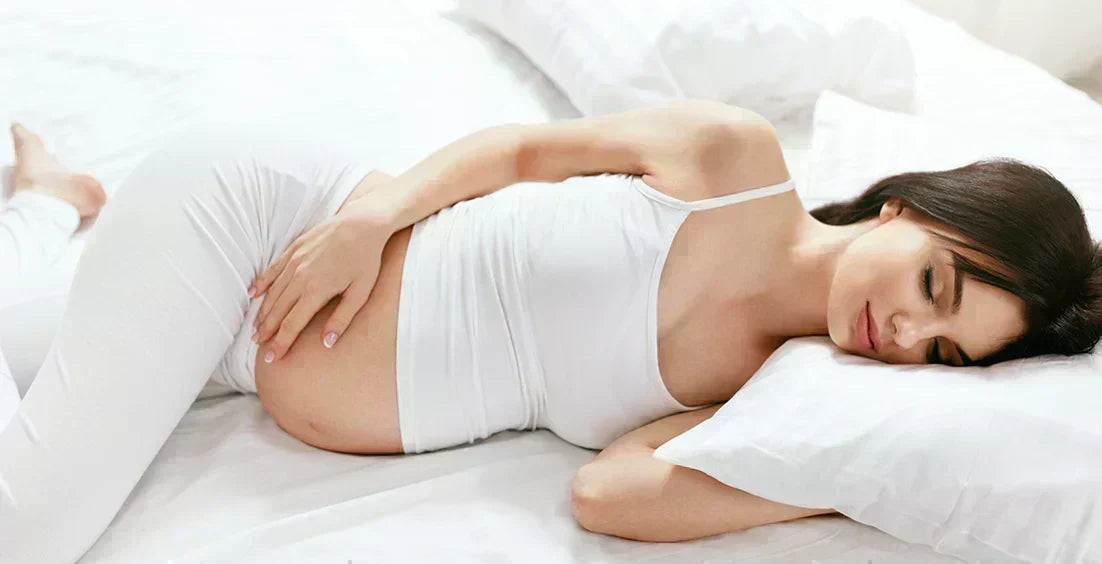
Getting enough sleep is essential for both maternal health and fetal development. Many expectant mothers struggle with rest, often wondering if remedies like valerian root and pregnancy go together. Quality sleep helps regulate hormones, boost immunity, and reduce stress—key factors for a healthy pregnancy.
Poor sleep may lead to complications such as high blood pressure, gestational diabetes, and preterm birth. Some consider valerian tea during pregnancy for relaxation, but is valerian root safe for pregnancy? Research is limited, and NHS guidelines do not confirm its safety.
Instead, natural sleep-supporting methods, like a consistent bedtime routine and pregnancy-safe relaxation techniques, are recommended. Since valerian root for anxiety during the day is also debated, consulting a healthcare provider is crucial. Prioritizing sleep enhances overall well-being, ensuring a healthier pregnancy and baby.
During our research, we found the most informative YouTube video on "How to Sleep Well While Pregnant," presented by a licensed nurse in the United States:
Can You Take Valerian Root While Pregnant?
Valerian root is commonly used for relaxation and sleep support, but its safety during pregnancy remains uncertain. Research on valerian root and pregnancy is limited, and the valerian pregnancy NHS guidelines do not provide clear recommendations.
Some women consider valerian tea during pregnancy to ease anxiety and improve sleep, but potential risks have not been fully studied. Since valerian roots effects on fetal development are unclear, consulting a healthcare provider is essential before use.
Instead of relying on valerian root for anxiety during the day, pregnant women should explore safer, doctor-approved alternatives for relaxation and sleep.
Dr. Andrew Weil, a renowned integrative medicine specialist, notes that while animal studies and human case reports have not shown ill effects of valerian during pregnancy, even at relatively high doses, the available data is insufficient to conclusively determine its safety. He recommends caution and suggests consulting with a healthcare provider before use.
Ways To Promote Sleep For Expecting Moms
Ways to Promote Sleep for Expecting Moms
- Establish a Bedtime Routine – A consistent sleep schedule and relaxation techniques, such as meditation or prenatal yoga, can improve sleep quality.
- Create a Comfortable Sleep Environment – Use pregnancy pillows for support, keep the room cool, and eliminate noise and light distractions.
- Watch What You Eat and Drink – Avoid caffeine and heavy meals before bed, and opt for calming herbal teas—but check if valerian tea during pregnancy is safe with your doctor.
- Practice Safe Relaxation Techniques – If you're considering supplements, ask, is valerian root safe for pregnancy? Since research is limited, consult a healthcare provider for safer alternatives.
- Stay Active During the Day – Light exercise, like walking or stretching, can reduce stress and promote better sleep, avoiding the need for valerian root for anxiety during the day.
Read more:
Advertisement


Can You Take Valerian Root If Breastfeeding?
New mothers often wonder, can you take valerian root if breastfeeding? Valerian root is commonly used for relaxation and sleep, but its safety for nursing mothers remains unclear. Research on valerian root and pregnancy is already limited, and there is even less data on its effects during breastfeeding.
Some believe valerian tea during pregnancy and postpartum may help with stress and sleep deprivation, but its compounds can pass into breast milk, potentially affecting the baby. If you're struggling with anxiety or sleep disturbances, it's best to ask, is valerian root safe for pregnancy and breastfeeding?
Since its long-term effects are unknown, consulting a healthcare provider is essential. Safer, doctor-approved alternatives should be considered to support relaxation while ensuring the baby’s well-being.
You Can Also Read: Which Foods to Avoid While Breastfeeding
Conclusion
Valerian root is widely used for relaxation, anxiety relief, and sleep support, but its safety during pregnancy and breastfeeding remains uncertain. Many expectant mothers ask, is valerian root safe for pregnancy? Due to limited research, healthcare providers often recommend caution.
While some consider valerian tea during pregnancy for its calming effects, its potential risks are not well studied. Likewise, concerns exist regarding valerian root for anxiety during the day and its impact on both mother and baby.
If you're pregnant or nursing, it’s best to consult a healthcare professional before using valerian root. Safer, doctor-approved alternatives should be explored to support relaxation and sleep while prioritizing maternal and fetal health.
Advertisement


FAQs
This article is for informational purposes only and is not a substitute for professional medical advice, diagnosis, or treatment. Statements made on this website have not been evaluated by the U.S. Food and Drug Administration. Always consult a qualified healthcare professional before making changes to your diet, supplements, medications, or healthcare routine.
Our Top Picks

Night Calm - Advanced Sleep Formula

Sleep Strips

References
WOWMD follows strict sourcing guidelines to ensure the accuracy of its content, outlined in our editorial policy. We use only trustworthy sources, including peer-reviewed studies, qualified experts, and information from top institutions.


- Valerian (2020) National Center for Complementary and Integrative Health https://www.nccih.nih.gov/health/valerian
- Chang, J. J., Pien, G. W., Duntley, S. P., & Macones, G. A. (2009). Sleep Deprivation during Pregnancy and Maternal and Fetal Outcomes: Is There a Relationship? Sleep Medicine Reviews, 14(2), 107. https://doi.org/10.1016/j.smrv.2009.05.001