

Best Probiotics for Vaginal Health
Understand the science, key probiotic strains, and what to consider before trying a supplement.
 By WOWMD Staff

Advertiser Disclosure: WOWMD independently vets all recommended products. If you purchase a featured product, we may be compensated. Learn why you can trust us.

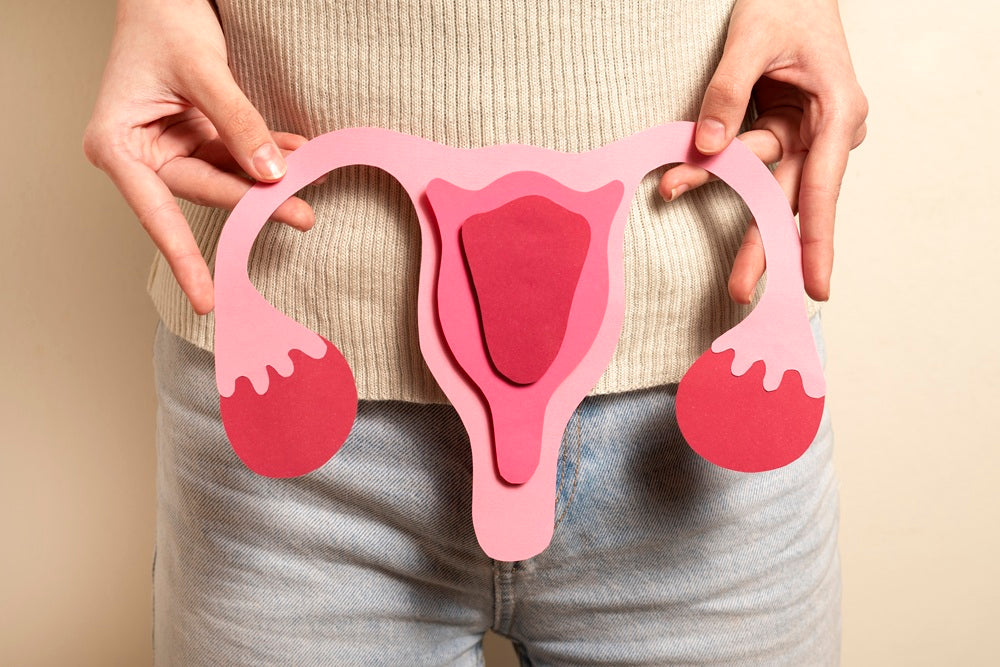
Vaginal probiotics fill pharmacy shelves, yet Harvard Health says they just aren’t necessary. Probiotics for vaginal health are live microorganisms, usually Lactobacillus strains, taken by mouth or inserted vaginally with the aim of supporting a balanced vaginal microbiome.*
The science is promising in some areas but far from settled. Researchers link a Lactobacillus-dominated vagina with a healthier, more acidic environment, and some clinical trials show probiotics may help alongside standard treatment for recurring problems. But experts also point out that the vagina usually manages its own bacteria well, and that many products on the shelf have little evidence behind them.
This guide covers how vaginal bacteria work, which strains the research focuses on, the forms probiotics come in, whether you need one, and how to choose a product if you decide to try.
Key Takeaways
- A healthy vagina is usually dominated by Lactobacillus bacteria, which keep the environment acidic.*
- The Lactobacillus species found in the vagina differ from many of those sold in gut probiotics.
- Vaginal probiotics come as oral capsules and powders or vaginal suppositories.
- Harvard Health says vaginal probiotics aren’t necessary, and the American Society for Microbiology says current supplements are unlikely to have significant benefit.
- Some trials suggest certain strains may help as an add-on to standard treatment, but study sizes are small.
How Vaginal Bacteria Work
Understanding what a healthy vaginal microbiome looks like helps explain what probiotics are trying to do.
Lactobacillus Dominates a Healthy Vagina
According to the American Society for Microbiology (ASM), Lactobacillus species make up about 70% of the healthy vaginal microbiome during the reproductive years. These bacteria convert sugars into lactic acid, creating a slightly acidic environment that’s hostile to unwanted microbes. They also produce antimicrobial compounds and take up space so harmful organisms struggle to settle.
Vaginal Strains Differ From Gut Strains
Not all Lactobacillus bacteria are alike. ASM notes that the species dominating most healthy vaginal microbiomes are L. crispatus, L. gasseri, L. iners and L. jensenii, which aren’t the same as those that live in the gut. ASM describes L. crispatus as the species considered most protective.
Research led by the University of Cape Town found the same gap on store shelves. Most vaginal probiotics sold in South Africa don’t contain the Lactobacillus species commonly found in the vagina. Most of the strains they use were isolated more than 30 years ago with a focus on gut health, and none came from African women.
The UCT researchers compared 57 vaginal Lactobacillus strains from young South African women with the bacteria in commercial probiotics. In the lab, several vaginal strains performed much better at growing, attaching to cells, producing lactic acid, lowering pH and inhibiting harmful microbes. These were laboratory results rather than human trials, but they suggest better-targeted vaginal probiotics may be possible in future.
What Can Upset the Balance
The vaginal microbiome changes throughout life. ASM notes that shifting hormone levels, douching and sexual activity can disrupt the acidic environment Lactobacillus creates, allowing other microbes to take hold. Life stages such as puberty and menopause also change which bacteria dominate.
Forms of Vaginal Probiotics
Vaginal probiotics come in two main forms, and each has trade-offs.
Oral Capsules and Powders
Harvard Health notes that vaginal probiotics are available as oral pills and powders. They’re easy to add to a routine, but ASM points out that taking probiotics by mouth may lower the chances of them reaching the vagina, since not all strains survive stomach acid and bile.
Vaginal Suppositories
Suppositories are inserted directly into the vagina, delivering bacteria to the target site. ASM reports that a suppository containing L. crispatus reduced repeat urinary tract infections and bacterial vaginosis in small trials when combined with antibiotics.
Oral vs Vaginal at a Glance
|
Form |
How You Use It |
What to Weigh |
|
Oral capsule or powder |
Swallowed daily |
Convenient, but bacteria must survive digestion |
|
Vaginal suppository |
Inserted into the vagina |
Delivers bacteria directly, but less convenient |
What the Research Shows
The evidence on vaginal probiotics is mixed, and it helps to understand both sides.
Where Probiotics Show Promise
A 2025 systematic review of 16 clinical trials in Narra J found that probiotics show promise as an add-on or alternative approach for bacterial vaginosis, a common imbalance that often returns after antibiotic treatment. L. rhamnosus, L. crispatus, L. plantarum and L. acidophilus showed potential across different studies, and reported side effects were mild.
The same Narra J review cautions that the trials were small, used different strains, doses and timeframes, and measured results in different ways. The authors call for larger, better-designed studies before firm recommendations can be made.
Where the Evidence Falls Short
ASM notes that most vaginal probiotic claims lack scientific evidence, and that manufacturers can suggest health benefits without needing proof. In one study it describes, pregnant women given oral gut probiotics showed no significant difference compared with a placebo group.
Harvard Health adds that while probiotics might help maintain a stable vaginal microbiome, there’s no strong evidence proving they do. It also points out that the FDA doesn’t regulate probiotics sold as dietary supplements, so there’s no guarantee a product contains what its label says.
Do You Need a Vaginal Probiotic?
For most healthy people, the honest answer is probably not.
The Case for Skipping One
Harvard Health states that the vagina typically does a fine job of regulating its own bacteria, so vaginal probiotics aren’t necessary. ASM reaches a similar conclusion: taking a probiotic may not harm the vaginal microbiome, but current supplements are unlikely to have significant benefit. Until more is known, ASM suggests letting vaginal microbes maintain their natural balance.
When to See a Clinician First
Unusual discharge, odor, itching or burning are reasons to see a doctor rather than reach for a supplement. Harvard Health advises talking to your doctor about any unusual or bothersome vaginal symptoms. GoodRx also notes that probiotics may be harmful for people with severe infections or weakened immunity.
READ MORE: The Best Time To Take Probiotics, According to Dietician
How to Choose a Probiotic if You Decide to Try One
If you and your clinician decide a probiotic is worth trying, a few checks help you choose well.
Look for Named Strains
GoodRx lists L. crispatus, L. jensenii, L. gasseri, L. rhamnosus and L. reuteri as strains to look for when supporting vaginal health. Products marketed as “feminine” or “women’s blend” often contain a mix of these. Check that the label names each strain rather than listing a generic blend.
Check Quality and Testing
GoodRx recommends choosing supplements third-party certified by organizations such as USP, ConsumerLab or NSF International. It also suggests checking the other ingredients for additives, allergens or added sugar.
Set Realistic Expectations
According to GoodRx, oral probiotics can start to affect vaginal health after about 7 days, though timelines vary by product and person. Be wary of any product that promises to fix a specific condition, since supplements can’t legally make those claims.
Probiotics for Gut Health
Probiotics have a longer track record in digestive health than in vaginal health, and many women take one for gut support instead.
Gut and Vaginal Probiotics Aren’t the Same
ASM notes that many probiotic studies on vaginal health have used formulations designed for the gut rather than the vagina. If vaginal health is your main goal, a gut probiotic isn’t a substitute for a conversation with your clinician.
Choosing a Gut Probiotic
If everyday digestive comfort is your goal, Good Gut Great Life is a 40-billion CFU probiotic formulated to support digestive wellness and gut microbiome balance.* It contains L. acidophilus, B. lactis, L. plantarum and L. paracasei. It’s third-party lab tested, gluten free and non-GMO, and is taken as two capsules daily. It’s rated 4.9 out of 5 from more than 1,100 reviews. Explore the full range of gut health supplements to find the right fit.*
Food Sources of Probiotics
You can also get Lactobacillus and other probiotics from food. GoodRx lists yogurt, kefir, sauerkraut, tempeh and kimchi as good sources, and recommends eating enough fiber to nourish beneficial bacteria.
The Bottom Line on Probiotics for Vaginal Health
Lactobacillus bacteria are central to a healthy, acidic vaginal environment, and some trials suggest certain strains may help as part of treatment for recurring imbalances. But the evidence is still developing, and leading experts at Harvard Health and ASM say most healthy people don’t need a vaginal probiotic. If you’re curious about trying one, choose named strains, look for third-party testing, and see a clinician about any symptoms first.
FAQs
This article is for informational purposes only and is not a substitute for professional medical advice, diagnosis, or treatment. Statements made on this website have not been evaluated by the U.S. Food and Drug Administration. Always consult a qualified healthcare professional before making changes to your diet, supplements, medications, or healthcare routine.