




Magnesium Glycinate Side Effects: What’s Normal, What’s Not
Magnesium glycinate is one of the gentlest forms of magnesium available, but that doesn’t mean it’s completely without things to watch for. Here’s an honest breakdown.
 By WOWMD Staff

 Fact Checked
Advertiser Disclosure: WOWMD independently vets all recommended products. If you purchase a featured product, we may be compensated. Learn why you can trust us.
Table of contents
- What Makes Magnesium Glycinate Different?
- Why Your Stomach Appreciates This Form?
- What Side Effects Can Actually Happen?
- How Does It Compare to Other Magnesium Forms?
- Which Medications Should You Know About?
- Who Can’t Take Magnesium Glycinate?
- How to Take It Effectively
- What Should You Look For in a Supplement?
- Buyers’ Checklist
- Conclusion
- FAQs

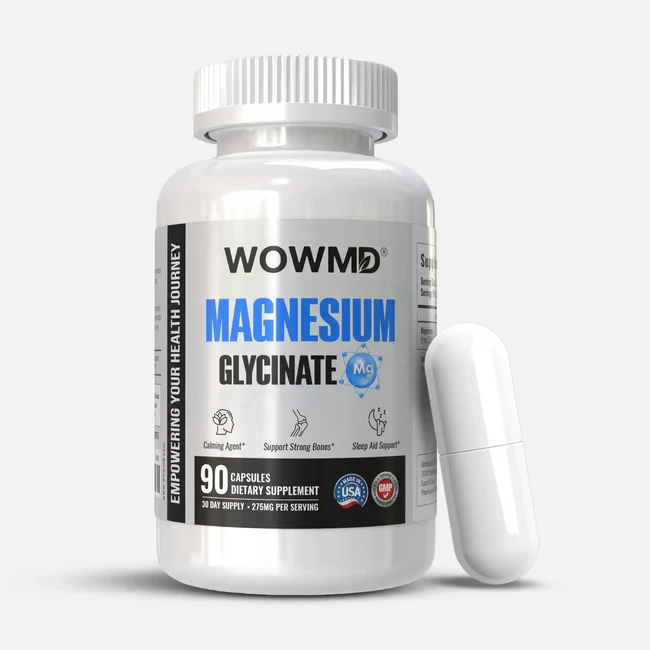
If you’ve ever tried a standard magnesium supplement and ended up with digestive upset you’d rather forget, you already know that not all forms of magnesium behave the same way. Magnesium glycinate is built differently, and understanding why helps you tell the difference between a normal adjustment period and something worth paying closer attention to.
Actually, most people tolerate magnesium glycinate very well. The ones who do experience issues most often find it comes down to dose, timing, or a specific medication interaction rather than anything about the form itself.
In this guide, we’ll cover what side effects are actually possible, how to manage them, which groups need to be a little more careful, and how to choose a product that gives you the best start.
TL;DR
- Q: Is magnesium glycinate safe? Yes, for most healthy adults. It’s one of the most well-tolerated forms of magnesium available.
- Q: What are the most common side effects? Nausea, loose stools, and stomach cramps, usually from taking too much too soon.
- Q: Is it gentler than other forms? Yes. The chelated structure makes it less likely to cause the laxative effects associated with magnesium citrate or oxide.
- Q: Who should be careful? People with kidney disease, those on antibiotics, and pregnant or breastfeeding individuals should consult a healthcare provider first.
- Q: What’s the right dose? Most adults need 310 to 420 mg of elemental magnesium per day from all sources combined. Supplement needs vary based on diet.
>> Support your sleep, stress, and muscle recovery with WOWMD Magnesium Glycinate -> Shop Now
What Makes Magnesium Glycinate Different?
Magnesium glycinate is a chelated compound, meaning magnesium is chemically bonded to glycine, a non-essential amino acid your body already produces and uses every day. That bonding process is not a marketing move. It changes how the mineral behaves once it reaches your digestive system.
The glycine molecule escorts magnesium through the intestinal wall more efficiently than many other forms. This makes it a highly bioavailable option your body can use rather than pass most of it through.
According to David Friedman, N.D., D.C., naturopathic doctor and nutritionist:
“The glycine helps chelate the magnesium, meaning that it binds to the magnesium and makes it easier for the body to absorb it,” explains David Friedman, N.D., D.C., naturopathic doctor and nutritionist. “Glycine is also known to have calming and relaxing properties, which can help promote a sense of relaxation and improve sleep quality.”
Why does absorption matter so much? According to the NIH Office of Dietary Supplements, magnesium is a cofactor in more than 300 enzyme systems that regulate protein synthesis, muscle and nerve function, blood glucose control, and blood pressure regulation. A poorly formulated supplement doesn’t support those processes effectively, no matter what the label says.
Read Also: 10 health benefits of magnesium Glycinate
Why Your Stomach Appreciates This Form
One of the main reasons people switch to magnesium glycinate is digestive comfort. Forms like magnesium citrate and magnesium oxide are well known for their laxative effect at higher doses. This happens because they draw water into the intestines, which helps with constipation but is less ideal if you just want daily magnesium support.
Magnesium glycinate’s chelated structure makes it much gentler on the gut. According to Brett Sorel, RDN, an integrative registered dietitian nutritionist:
“It is one of the most absorbable forms and least likely to cause digestive or laxative effects. The glycine is what makes this form of magnesium more absorbable with less digestive effects.”
This is also why it’s so commonly used for evening and sleep support. You can take it consistently without the digestive disruptions that keep some people from supplementing with magnesium entirely.
💡 DYK? According to NIH NHANES data, 48% of Americans consume less magnesium from food than their estimated average requirement, with older adults and teenagers most likely to fall short.
Advertisement

 *All individuals are unique. Your results can and will vary.
All individuals are unique. Your results can and will vary.
What Side Effects Can Actually Happen?
Magnesium glycinate is one of the gentlest forms available, but side effects are still possible, especially when you start taking it or take more than your body needs.
Gastrointestinal Effects
The most common complaints are digestive. Taking too much at once may cause nausea, loose stools, or stomach cramps. This is usually a dosage issue, not a sign that magnesium glycinate is wrong for you.
Because glycinate is chelated, it absorbs more gradually with less osmotic disruption to the gut than forms like citrate or oxide. Most people tolerate it well at the amounts their body actually needs. If you experience digestive discomfort, reduce your dose first, build back up slowly over a week or two, and take your capsules with food.
Allergic Reactions
Less commonly, some people experience allergic reactions. According to Memorial Sloan Kettering Cancer Center, signs to watch for include rash, hives, itching, red or swollen skin, wheezing, chest or throat tightness, trouble breathing or swallowing, or swelling of the mouth, face, lips, tongue, or throat.
If you notice any of these after starting a magnesium supplement, stop use immediately and seek medical attention. Severe allergic reactions are rare with magnesium glycinate, but this is not a situation to wait out.
At Very High Doses
Taking magnesium above what your body needs over time can lead to more serious effects, including low blood pressure, irregular heart rhythms, or in extreme cases, kidney strain. This isn’t a concern at standard supplemental doses for healthy adults, but it’s why the right dose matters and why kidney health is an important consideration for anyone with compromised renal function.
💡 DYK? Unlike many supplements, magnesium glycinate’s side effect profile is dose-dependent. Most issues resolve with reducing the dose and building back up gradually.
How Does It Compare to Other Magnesium Forms?
Not every magnesium compound is built the same way, and the differences matter when you’re choosing a daily supplement.
|
Form |
Absorption |
Common Use |
|
Magnesium Glycinate |
High, gentle on digestion |
Sleep, stress, daily maintenance |
|
Magnesium Citrate |
High, but often laxative at higher doses |
Occasional constipation relief |
|
Magnesium Oxide |
Low, poorly absorbed |
Budget antacid or laxative use |
|
Magnesium Malate |
Good |
Muscle and energy support |
|
Magnesium L-Threonate |
Crosses blood-brain barrier efficiently |
Cognitive-focused formulas |
Note: Magnesium oxide often lists a high elemental magnesium number on the label. However, its absorption rate is poor, which is partly why it’s more associated with laxative effects than therapeutic magnesium support. Glycinate, on the other hand, absorbs efficiently, is gentle on the digestive system, and suits daily use.
“Unless you are prone to constipation, a form that is gentler on the intestinal system, such as magnesium glycinate, might be a better choice,” says Dr. Denise Millstine, MD of Mayo Clinic.
For a more detailed breakdown of how these two forms compare, see our guide to magnesium citrate vs. glycinate.
Advertisement

 *All individuals are unique. Your results can and will vary.
*All individuals are unique. Your results can and will vary.
Which Medications Should You Know About?
Even a well-tolerated supplement can disrupt your routine if you’re not aware of how it interacts with other things you’re taking. A few specific categories are worth knowing.
Antibiotics
The most clinically relevant interaction involves antibiotics. Magnesium can bind to certain antibiotic classes and reduce how well your body absorbs them, potentially making an antibiotic less effective at the dose prescribed. The two classes most affected are tetracyclines, including doxycycline and minocycline, and fluoroquinolones, including ciprofloxacin and levofloxacin.
What to do: Space your magnesium supplement at least two hours from your antibiotic dose. Also, speak to a physician before you take the supplements.
Other medications are:
Bisphosphonates, which are used to support bone density, can also be affected by magnesium. Taking them at least two hours apart is the standard recommendation. Diabetes medications and diuretics can affect how much magnesium your body retains, so if you’re managing blood sugar or fluid balance with prescription support, let your doctor know you’re supplementing. Blood pressure medications may also interact with high-dose magnesium, which is worth flagging if your cardiovascular health is already being monitored.
Who Can’t Take Magnesium Glycinate?
- People with compromised kidney function. Healthy kidneys regulate how much magnesium is retained versus excreted. When kidney function declines, magnesium can accumulate more easily, raising the stakes for supplementation. A healthcare provider should guide dosing in this case.
- Pregnant and breastfeeding individuals should consult a provider before starting any new supplement, including magnesium glycinate. Magnesium is important during pregnancy, but a doctor or midwife should confirm the right dose and form.
- Anyone with a known sensitivity to glycine or filler ingredients in a specific product should check the full ingredient list before starting.
Read Also: Magnesium for Anxiety and Sleep: Does It Really Help?
How to Take It Effectively
Timing
Because magnesium glycinate is chelated, you have more flexibility in when you take it. Many people prefer the evening because glycine is associated with a calming effect that supports restful sleep. For detailed guidance on timing, see our article on when to take magnesium for sleep. Others fold it into a morning routine alongside other supplements. Either works. What matters most is taking it at the same time each day so you can notice how your body responds over several weeks.
Dose
According to the NIH, the RDA for adults ranges from 310 to 420 mg of elemental magnesium daily depending on age and sex. Your supplement dose should complement what you’re already getting from food, not duplicate it. Note that labels often list total weight of the chelated compound, not elemental magnesium content. Check the Supplement Facts panel for the elemental amount.
Starting Out
Even well-tolerated supplements can cause discomfort when you start too high. Start at the lower end of the recommended range and build up gradually over the first week or two if needed. Taking magnesium glycinate with a meal supports tolerability and may reduce the chance of a mild digestive response.
Important note: If you’re taking antibiotics, managing a chronic condition, or have kidney concerns, talk to your healthcare provider before starting magnesium supplementation.
What Should You Look For in a Supplement?
Not all magnesium glycinate products are created equal. A few markers separate reliable options from those that look good on the shelf but underdeliver.
Elemental Magnesium Content
The label might say “400 mg magnesium glycinate,” but what matters is how much elemental magnesium that delivers. Glycinate is a chelated form, so elemental content is a fraction of the total compound weight. Look at the supplement facts panel, not just the front of the package.
Third-Party Testing and Manufacturing
Supplement quality isn’t regulated the same way pharmaceuticals are, so manufacturing standards and independent testing matter more than they might otherwise. Look for products made in a GMP-certified, FDA-registered facility with third-party testing for purity, potency, and the absence of contaminants.
Formulation
Some magnesium glycinate supplements include additional compounds like ashwagandha, L-theanine, or melatonin. These can support specific goals like sleep or stress relief. If you want pure magnesium glycinate without extras, look for a clean formula with a short, recognizable ingredient list. Our full guide to magnesium glycinate for sleep covers which formulations suit which goals.
Read Also: Best Magnesium for Sleep: Expert-Recommended Forms
Buyers’ Checklist
- Form: Choose magnesium glycinate or bisglycinate for good absorption and better stomach tolerance.
- Purity: Look for products that are third-party tested for heavy metals, contaminants, and overall purity.
- Dosage: Check the elemental magnesium amount on the Supplement Facts panel. Start with a lower dose and adjust based on your needs or your healthcare professional’s advice.
- Additives: Choose a clean label with minimal fillers, binders, and artificial ingredients.
- Certifications: Prefer products made in GMP-certified facilities and look for reputable quality certifications such as NSF or USP when available.
- Ingredient transparency: Make sure the label clearly states the form and amount of magnesium rather than simply listing the weight of the magnesium compound.
Advertisement

 *All individuals are unique. Your results can and will vary.
All individuals are unique. Your results can and will vary.
Conclusion
Magnesium glycinate is one of the most well-tolerated forms of magnesium you can supplement with. Side effects are generally mild, manageable, and far less common than with lower-quality magnesium forms. Most issues come down to the starting dose, which is something you can adjust.
The more relevant everyday question is whether your magnesium levels are actually where they need to be. Since nearly half of American adults fall short of the daily requirement from food alone, a consistent, well-absorbed supplement can be a practical, low-risk addition to your routine.
WOWMD’s Magnesium Glycinate is expert-recommended, science-backed, and made in the USA, formulated without artificial additives and manufactured in a GMP-certified, FDA-registered facility. Explore the magnesium collection and find the formula that fits your routine.
>> Ready to support your sleep, stress response, and muscle recovery? Try WOWMD Magnesium Glycinate -> Shop Now
Individual results may vary. Supplements are not intended to diagnose, treat, cure, or prevent any disease. Consult your healthcare provider before starting any new supplement regimen.
Frequently Asked Questions
This article is for informational purposes only and is not a substitute for professional medical advice, diagnosis, or treatment. Statements made on this website have not been evaluated by the U.S. Food and Drug Administration. Always consult a qualified healthcare professional before making changes to your diet, supplements, medications, or healthcare routine.

References
WOWMD follows strict sourcing guidelines to ensure the accuracy of its content, outlined in our editorial policy. We use only trustworthy sources, including peer-reviewed studies, qualified experts, and information from top institutions.


Meet the Experts
Brett Sorel, RDN | Integrative Registered Dietitian Nutritionist based in Florida. Featured contributor, Forbes Health.
Dr. Denise Millstine, MD | Physician at Mayo Clinic, specializing in integrative medicine and sleep support.
David Friedman, N.D., D.C. | Naturopathic doctor, nutritionist, and health author.
References
-
Magnesium Fact Sheet for Health Professionals. NIH Office of Dietary Supplements. https://ods.od.nih.gov/factsheets/Magnesium-HealthProfessional/
-
Sorel B. Magnesium Glycinate: Benefits And Side Effects. Forbes Health. https://www.forbes.com/health/supplements/magnesium-glycinate/
-
Millstine D. Magnesium for Sleep: What You Need to Know. Mayo Clinic Press. https://mcpress.mayoclinic.org/living-well/magnesium-for-sleep-what-you-need-to-know-about-its-benefits/
-
Friedman D. The Do’s and Don’ts of Taking Magnesium Glycinate. https://www.aol.com/don-ts-taking-magnesium-glycinate-125627630.html
-
Magnesium. Memorial Sloan Kettering Cancer Center. https://www.mskcc.org/cancer-care/integrative-medicine/herbs/magnesium
Individual results may vary. These statements have not been evaluated by the Food and Drug Administration. These products are not intended to diagnose, treat, cure, or prevent any disease. Consult your healthcare provider before starting any new supplement regimen.