

Iron and Vitamin C: Does Vitamin C Really Improve Iron Absorption?
A Guide to Iron Absorption, Vitamin C Benefits, and Supplement Safety
 By WOWMD Staff

 Fact Checked
Advertiser Disclosure: WOWMD independently vets all recommended products. If you purchase a featured product, we may be compensated. Learn why you can trust us.

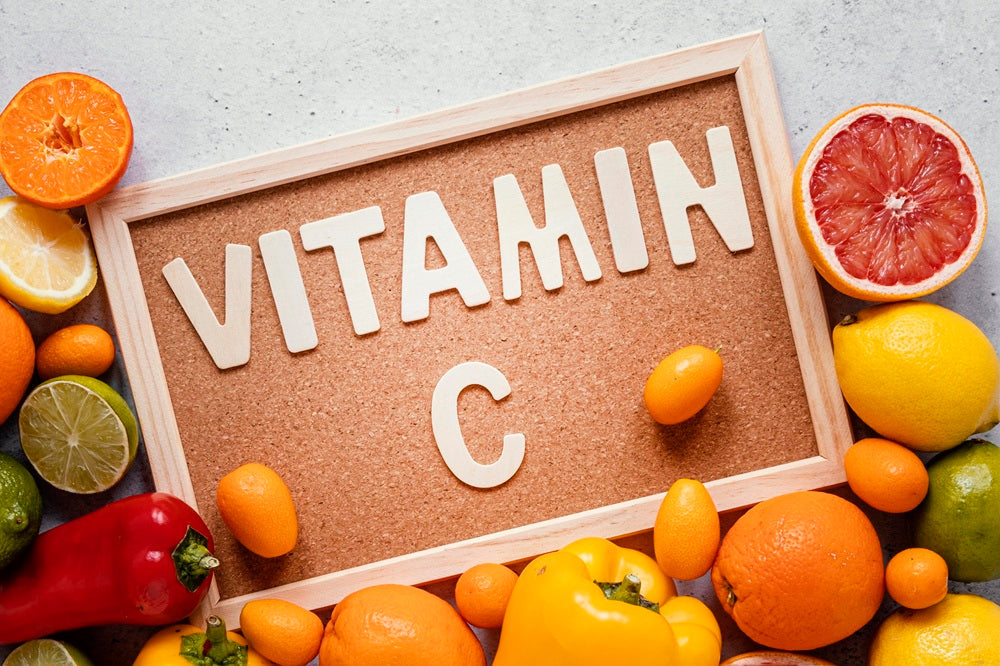
If you have been told to take your iron supplement with orange juice, there is real science behind that advice. Iron deficiency is one of the most common nutritional shortfalls, and getting enough of this mineral is not just about how much you consume. It is about how much your body actually absorbs.
That is where the relationship between iron and vitamin C becomes worth understanding. This guide explains how vitamin C affects iron absorption, what the clinical research actually shows, and how to build simple daily habits that support healthy iron levels.
This article is for informational purposes only and is not a substitute for professional medical advice. Speak with your healthcare provider before starting any new supplement, especially if you have been diagnosed with iron deficiency or an iron-storage condition.
TL;DR
- Iron comes in two dietary forms: heme iron from animal foods and non-heme iron from plant foods and most supplements.
- Vitamin C helps your body absorb non-heme iron, especially when eaten at the same meal.
- Most people need 8 to 18 mg of iron per day, depending on age and sex.
- In a 2020 randomized trial of 440 adults with iron deficiency anemia, iron alone worked as well as iron plus vitamin C.
- A 2024 meta-analysis found only a small hemoglobin increase of 0.14 g/dL when vitamin C was added to oral iron.
- Tea, coffee, and dairy can reduce iron absorption, so spacing them away from iron-rich meals and supplements helps.
Understanding the Two Types of Dietary Iron
Not all iron is absorbed the same way. The type of iron you eat makes a big difference in how much your body can actually use.
Heme Iron
Heme iron is found in animal foods such as meat, poultry, and fish. Your body absorbs it relatively easily, and its absorption is less affected by what else you eat.
Non-Heme Iron
Non-heme iron is found in plant foods and in most iron supplements. According to Cleveland Clinic, plant-based non-heme iron is harder for the body to absorb than heme iron. Good sources include tofu, tempeh, beans, black-eyed peas, chickpeas, dark leafy greens, lentils, and iron-fortified bread and cereal.
Advertisement


How Much Iron Do You Need?
Cleveland Clinic notes that most people need 8 to 18 mg of iron per day. Vegans and vegetarians may find it harder to meet their needs because they rely entirely on non-heme sources.
How Vitamin C Enhances Iron Absorption
The connection between vitamin C and iron has been studied for decades, including in early research on the interaction of vitamin C and iron. The mechanism is well understood, even if its clinical impact is more modest than many people assume.
The Chemistry Behind the Connection
Much of the non-heme iron in food is in its ferric form (Fe³⁺), which your intestinal cells do not absorb easily. Vitamin C, also called ascorbic acid, acts as a reducing agent that helps convert ferric iron into ferrous iron (Fe²⁺), the form that passes through the intestinal lining more readily. Vitamin C converts iron into a form that dissolves and is absorbed more easily, and also helps stop iron from binding to food compounds that block absorption.
Why Timing Matters
Vitamin C works best when it is in your digestive tract at the same time as the iron. As a registered dietitian explains to Cleveland Clinic, consuming foods that are high in vitamin C at the same meal as iron-rich plant foods boosts the bioavailability of iron. Michigan State University calls iron and vitamin C “the perfect pair.”
What the Clinical Research Shows
The biochemistry is real. Whether it translates into meaningful results for people with iron deficiency is a different question, and recent research offers a more nuanced answer.
The 2020 Randomized Clinical Trial
A randomized clinical trial published in 2020 compared two groups of adults newly diagnosed with iron deficiency anemia. The trial enrolled 440 participants, most of them women, and ran for three months.
- One group took 100 mg of oral iron (ferrous succinate) every 8 hours.
- The other group took the same iron dose plus 200 mg of vitamin C every 8 hours.
After two weeks, hemoglobin rose by 2.00 g/dL in the vitamin C group and 1.84 g/dL in the iron-only group, a difference of just 0.16 g/dL that fell within the study’s equivalence margin. Ferritin, a marker of iron stores, also showed no significant difference at eight weeks. The JAMA Network Open authors concluded that vitamin C supplements are not essential to take alongside oral iron for patients with iron deficiency anemia.
The 2024 Meta-Analysis
A 2024 meta-analysis took a wider view. As summarized by The Blood Project, it pooled 11 studies with 1,930 patients and found that adding vitamin C to oral iron raised hemoglobin by 0.14 g/dL and ferritin by 3.23 µg/L on average. These gains were statistically significant but small, and the authors described them as likely not clinically important.
Trial Results at a Glance
|
Measure |
Iron + Vitamin C |
Iron Only |
Difference |
|
Hemoglobin change at 2 weeks |
2.00 g/dL |
1.84 g/dL |
0.16 g/dL |
|
Ferritin change at 8 weeks |
35.75 ng/mL |
34.48 ng/mL |
1.27 ng/mL (not significant) |
|
Adverse events |
20.9% |
20.5% |
Similar |
Source: JAMA Network Open, 2020.
What This Means
The Blood Project concludes that the evidence does not support routinely adding vitamin C to oral iron for treating iron deficiency anemia, and that iron alone is sufficient for nearly all patients. It notes that vitamin C may still help people with low iron intake or diets high in absorption inhibitors, such as vegetarians. Cleveland Clinic reaches a similar conclusion, noting that adding vitamin C may not matter as much as once thought.
ALSO READ: Understanding the Different Forms of Vitamin C in Skincare
Dietary Strategies for Better Iron Absorption
Knowing the science is one thing. Putting it to work at the table is another. If you eat a largely plant-based diet, what you pair with iron-rich foods can make a real difference.
Pair Plant-Based Iron With Vitamin C
Cleveland Clinic lists citrus fruits, cruciferous vegetables, red peppers, strawberries, tomatoes, and white potatoes as good sources of vitamin C. Easy pairings include:
- Lemon juice or orange segments with spinach
- Strawberries in a spinach smoothie
- Tomatoes with lentils
- Red bell pepper with chickpea hummus
- Broccoli with tofu
Limit Absorption Blockers Around Iron
Pairing well is only half the equation. Some foods and drinks reduce iron absorption when consumed at the same time. The Patient health guide recommends:
- Avoiding tea and coffee from 1 hour before to 2 hours after taking iron
- Leaving at least 2 hours between iron and dairy products
- Avoiding or strictly limiting alcohol
You do not need to cut these foods out entirely. Timing is the lever. Enjoying your coffee between meals rather than with them is often enough.
Choose Food First
As a registered dietitian tells Cleveland Clinic, it is always better to get vitamins and nutrients through food than through supplements when possible. Supplements are most useful when diet alone is not enough or when a healthcare provider recommends them.
Advertisement


Taking Iron Supplements Safely
If you and your provider decide an iron supplement is right for you, a few precautions help you get the most from it.
Taking Iron With Vitamin C
The Patient health guide notes that taking iron with a vitamin C source, such as orange juice, is generally recommended. If the combination causes stomach upset, you can take them separately or with a small amount of food.
Who Should Be Cautious
The Patient health guide warns that people with haemochromatosis or another iron-storage disorder should not take iron and vitamin C supplements together, since vitamin C can raise iron to dangerous levels. Iron supplements can also cause digestive upset or constipation, according to Cleveland Clinic, so check with your doctor before starting.
Keep Iron Away From Children
The Patient health guide notes that an iron overdose can be fatal for children, so always store iron supplements safely out of reach.
WOWMD Iron and Vitamin C Picks
Whether you are supporting your iron intake from the inside or adding vitamin C to your skincare routine, WOWMD offers options for both.
01. WOWMD Iron Strips: Best Easy Iron Supplement

Pros:
- 19 mg of iron per strip, plus 400 mcg DFE of folate
- Rapid-dissolving raspberry-flavored strip, with no water needed
- Gluten-free, vegetarian, lactose-free, and alcohol-free
- Made in the USA in a GMP facility with third-party lab-tested ingredients
- 60-day money-back guarantee for first-time customers
Cons:
- Does not contain vitamin C, so pair it with vitamin C-rich foods if you choose
- For adults 18 and over only
Key ingredients: Iron (Ferric Saccharate) 19 mg, Folate 400 mcg DFE | Format: Oral strips (30 per pack) | Rating: 4.8/5 from 36 verified reviews
WOWMD Iron Strips are formulated to support healthy red blood cell formation, daily energy, and oxygen transport. Simply place one strip on your tongue each day and let it dissolve completely before swallowing. Speak with your healthcare provider before use if you are pregnant, nursing, taking medication, or managing a medical condition.
02. WOWMD Glow Fusion Vitamin C Serum: Best Topical Vitamin C

Pros:
- Contains 20% vitamin C with hyaluronic acid and jojoba oil
- Paraben-free, non-GMO, and vegan
- Lightweight formula for daily morning use
Cons:
- A topical skincare product that does not affect iron absorption
- Patch testing is recommended for sensitive skin
Key ingredients: Vitamin C (20%), Hyaluronic Acid, Jojoba Oil | Format: Topical serum (60 mL) | Rating: 4.7/5 from 488 verified reviews
Vitamin C also plays a popular role in skincare. WOWMD Glow Fusion Vitamin C Serum is designed to support a brighter-looking, radiant complexion, help maintain hydration, and improve the appearance of dullness and uneven tone. Apply 2 to 4 drops to clean, dry skin once daily, ideally in the morning before moisturizer and sunscreen.
03. WOWMD Vitamin Glow Serum: Best Multi-Vitamin Serum

Pros:
- Combines vitamin C with niacinamide, vitamin E, and panthenol
- Vegan, cruelty-free, and free of fragrance, parabens, and sulfates
- Suitable for morning or night use
Cons:
- A topical skincare product that does not affect iron absorption
- Requires shaking before use
Key ingredients: 3-O-Ethyl Ascorbic Acid (Vitamin C), Niacinamide, Vitamin E, Panthenol | Format: Topical serum | Rating: 4.7/5 from 519 verified reviews
WOWMD Vitamin Glow Serum supports a healthy-looking, radiant glow, a more even-looking skin tone, and lasting hydration. After cleansing, apply 3 to 4 drops to your face and neck once daily.
04. WOWMD Glow & Balance Duo: Best Skincare and Wellness Bundle

Pros:
- Pairs the Glow Fusion Vitamin C Serum with M50 Menopause Essential capsules
- Combines topical vitamin C with daily menopause wellness support
- Convenient two-product bundle
Cons:
- Neither product contains iron
- The first-purchase guarantee applies to single-bottle orders, so it may not cover bundles
Includes: Glow Fusion Vitamin C Serum, M50 Menopause Essential | Rating: 4.7/5 from 743 verified reviews
The WOWMD Glow & Balance Duo brings together WOWMD Glow Fusion Vitamin C Serum and M50 Menopause Essential, a capsule formula with black cohosh, red clover, and probiotics designed to support daily wellness during menopause.
ALSO READ: Iron Benefits: What Iron Does for Your Body
†These statements have not been evaluated by the Food and Drug Administration. These products are not intended to diagnose, treat, cure, or prevent any disease. Individual results may vary.
Advertisement


Final Thoughts
Vitamin C does help your body absorb non-heme iron, especially when both are eaten at the same meal. But for people being treated for iron deficiency anemia, the clinical benefit of adding a vitamin C supplement appears to be small. Consistent iron intake matters far more than any single pairing strategy.
For everyday wellness, the simplest approach works best: pair iron-rich plant foods with vitamin C-rich fruits and vegetables, keep tea, coffee, and dairy away from iron, and speak with your provider if you suspect low iron. If you need an easy way to add iron to your routine, WOWMD Iron Strips dissolve on the tongue with no water needed.
FAQs
This article is for informational purposes only and is not a substitute for professional medical advice, diagnosis, or treatment. Statements made on this website have not been evaluated by the U.S. Food and Drug Administration. Always consult a qualified healthcare professional before making changes to your diet, supplements, medications, or healthcare routine.