

Effective Strategies to Lower Your Cholesterol Naturally
Simple, evidence-based ways to improve cholesterol levels and support long-term heart health.
 By WOWMD Staff

 Fact Checked
Advertiser Disclosure: WOWMD independently vets all recommended products. If you purchase a featured product, we may be compensated. Learn why you can trust us.

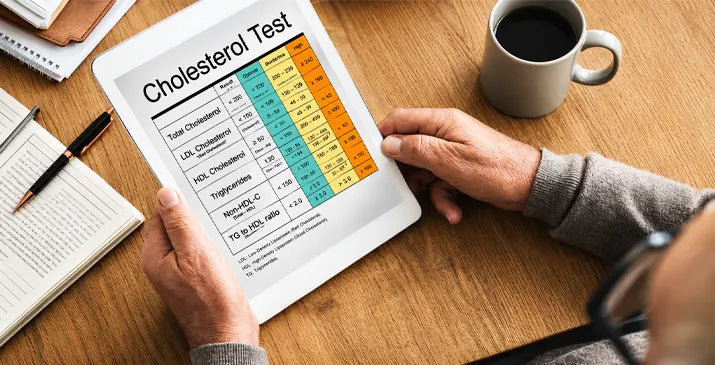
Cholesterol is one of the most practical areas of health where consistent daily decisions genuinely make a difference. Whether you’re approaching this topic for the first time or revisiting it after a recent lab result, the steps in this article give you a grounded, evidence-informed starting point for supporting your heart health over the long term.
Key Takeaways
- Cut saturated and trans fats. A heart-healthy eating plan limits both, since they raise LDL (“bad”) cholesterol.
- Eat more soluble fiber. Oats, barley, beans, and many fruits and vegetables help lower LDL cholesterol.
- Move most days. Regular physical activity can lower LDL cholesterol and triglycerides and raise HDL (“good”) cholesterol.
- Quit smoking. Stopping can raise HDL cholesterol, and the heart benefits start quickly.
- Medicine is a normal option. Many people need it when lifestyle changes alone aren’t enough, and those healthy habits still matter alongside it.
Understanding Cholesterol and Its Impact
Your body needs some cholesterol to work properly. According to MedlinePlus, cholesterol is a waxy, fat-like substance made by your liver and found in all your cells. The problem starts when there’s too much of it in your blood, because it can stick to artery walls and narrow or even block them. Before making changes, it helps to understand the numbers you’ll see on a lab report and why they matter.
LDL and HDL
Cholesterol travels through your blood on proteins called lipoproteins, and two types matter most:
- LDL (low-density lipoprotein) is the “bad” cholesterol. High levels lead to a buildup of cholesterol in your arteries.
- HDL (high-density lipoprotein) is the “good” cholesterol. It carries cholesterol from other parts of the body back to the liver, which then removes it from the body.
Triglycerides
Triglycerides are a third number on your lab results. Heart Foundation NZ explains that triglycerides are the most common type of fat in your body. Any extra energy from food and drink that your body doesn’t need is turned into triglycerides. High levels raise your risk of heart attack, stroke, and acute pancreatitis.
Why High Cholesterol Is Worth Taking Seriously
High cholesterol doesn’t cause any symptoms, so a blood test is the only way to know if you have it. That’s why regular testing matters, even if you feel perfectly well.
Genetics also play a role. Familial hypercholesterolemia (FH) is an inherited condition that causes very high cholesterol levels, so some people have high LDL even when their lifestyle is consistently healthy. The American Heart Association adds that people with certain conditions, including type 2 diabetes, may face a higher risk of a heart event or stroke when they also have high cholesterol.
Because so much depends on your personal risk, the best first step is a conversation with your healthcare provider.
Advertisement

 *All individuals are unique. Your results can and will vary.
Before You Start: Talk to Your Healthcare Provider
Knowing where you stand makes every change that follows more effective. Two things matter most at this stage: getting professional guidance, and understanding your own numbers.
Schedule a Consultation First
Cholesterol management isn’t one-size-fits-all. Your age, family history, other health conditions, and current medications all shape what a safe and effective plan looks like for you.
A healthcare provider can order a lipid panel, explain what your results mean for your personal risk, and help you set realistic targets. The American Heart Association recommends making treatment decisions together with your healthcare team, since a shared plan is one you’re more likely to stick to.
Know Your Numbers
Look at your full lipid panel rather than a single number: your LDL, HDL, triglycerides, and total cholesterol. Harvard Health notes that cardiologists recommend an LDL of 100 mg/dL or lower to help prevent heart disease. People at higher risk, or who’ve already had a heart attack or stroke, should aim even lower. Tracking your numbers over time is also the clearest way to see whether your changes are working.
Once you have a baseline, the first and most direct lever to pull is what you eat.
Step 1: Adopt a Heart-Healthy Diet
The American Heart Association says the best dietary way to lower your cholesterol is to cut back on saturated fat and trans fat. You don’t need a dramatic overhaul. Small, consistent swaps add up over weeks and months, and they come down to two things: eating more of the foods that help, and less of the ones that don’t.
Foods to Prioritize
- Oats and barley: Heart Foundation NZ explains that both are high in beta-glucan, a type of soluble fiber that helps lower LDL cholesterol. Choose plain rolled oats over flavored quick oats, which often contain added salt or sugar.
- Beans and legumes: Lentils, chickpeas, and white beans are rich in soluble fiber. Eating them in place of meat can help lower LDL cholesterol.
- Fruits and vegetables: Many are high in soluble fiber. Harvard Health highlights berries, kiwifruit, avocado, and eggplant as good sources.
- Nuts and seeds: Regularly eating nuts and seeds is linked to lower LDL cholesterol and triglyceride levels. Unsalted, unroasted options are best.
- Healthy fats: Avocado, olive oil, and nuts contain unsaturated fats, which can raise HDL cholesterol when you eat them instead of saturated fats.
- Oily fish: Harvard Health notes that eating fish like salmon twice a week can lower LDL by replacing meat. According to Mayo Clinic, the omega-3 fats in fish don’t lower LDL directly but offer other heart benefits, including lower blood pressure.
- Soy and plant sterols: Soy foods such as tofu and edamame may lower LDL slightly. Foods with added plant sterols can also reduce LDL by limiting how much cholesterol you absorb, but only if you eat them regularly.
|
Food |
Examples |
How It Helps |
|
Oats and barley |
Rolled oats, barley |
High in beta-glucan, a soluble fiber that helps lower LDL |
|
Beans and legumes |
Lentils, chickpeas, white beans |
Rich in soluble fiber, and lower LDL when eaten in place of meat |
|
Fruits and vegetables |
Berries, kiwifruit, avocado, eggplant |
Many are high in soluble fiber |
|
Nuts and seeds |
Unsalted, unroasted nuts and seeds |
Linked to lower LDL and triglycerides |
|
Healthy fats |
Avocado, olive oil, nuts |
Can raise HDL when eaten instead of saturated fats |
|
Oily fish |
Salmon (twice a week) |
Lowers LDL by replacing meat, and omega-3s support lower blood pressure |
|
Soy and plant sterols |
Tofu, edamame, foods with added sterols |
May lower LDL slightly, while sterols reduce cholesterol absorption |
ALSO READ: Fish Oil for Cholesterol: Benefits, Risks & Science Explained
How Soluble Fiber Works
Soluble fiber dissolves in water and forms a gel that traps some cholesterol, so your body removes it as waste instead of absorbing it into the bloodstream. It also binds to bile acids. To replace them, your liver draws more cholesterol from your blood, which lowers circulating LDL.
Foods to Limit
- Saturated fats: These are found mostly in red meat, full-fat dairy, butter, cream, and cheese. The NHS also recommends cutting back on sausages, meat pies, cakes, biscuits, and foods containing coconut or palm oil.
- Trans fats: These appear on labels as “partially hydrogenated” oils and can raise your cholesterol and your risk of heart disease. Mayo Clinic notes that the FDA banned partially hydrogenated oils in 2021, but it’s still worth checking ingredient lists, even when a label says “0 grams” of trans fat.
- Refined carbohydrates: White bread, pasta, and white rice are low in fiber and can lead to overeating and weight gain.
A Simple Daily Framework
Think of this as a loose set of daily patterns rather than a rigid meal plan:
- Start the day with oatmeal topped with berries.
- Choose a lunch salad with beans and olive oil.
- Have salmon with roasted vegetables for dinner.
- Swap chips for a small handful of unsalted nuts at snack time.
What you eat most of the time matters far more than any single meal. Diet works best when paired with regular movement, which is the next step.
Advertisement

 *All individuals are unique. Your results can and will vary.
Step 2: Move More
According to MedlinePlus, studies show that physical activity can lower LDL cholesterol and triglycerides and raise HDL cholesterol. You don’t need a gym membership to benefit. What matters is knowing roughly how much to aim for, starting at a level that suits you, and building a habit you’ll keep.
How Much to Aim For
The NHS recommends at least 150 minutes of moderate-intensity exercise or 75 minutes of vigorous activity each week. Mayo Clinic breaks that down into at least 30 minutes of exercise such as brisk walking five days a week, or at least 25 minutes of vigorous activity like running three days a week. Check with your healthcare provider before starting a new exercise program.
Start Small
Short bursts of activity throughout the day can still have a positive effect on your cholesterol. Try a brisk walk at lunch, biking to work, or playing a sport you enjoy.
Make It Stick
The American Heart Association puts it simply: the most effective exercise for lowering cholesterol is the kind you’ll actually do consistently. Walking, dancing, swimming, and gardening all count. An exercise buddy or fitness group can also help keep you motivated.
Adding healthy habits is only half the picture. Cutting back on habits that work against your cholesterol matters just as much.
Step 3: Quit Smoking and Limit Alcohol
Smoking and alcohol get less attention in cholesterol discussions than diet and exercise, but both affect your numbers and your wider heart health. Here’s what the evidence says about each.
Smoking and Cholesterol
Smoking lowers HDL cholesterol and makes problems like high blood pressure more dangerous. According to MedlinePlus, quitting can raise your HDL, and since HDL helps remove LDL from your arteries, more HDL can help lower your LDL too.
The benefits start quickly. Mayo Clinic outlines the timeline:
- Within 20 minutes, your blood pressure and heart rate recover from the nicotine-induced spike.
- Within three months, your blood flow and lung function begin to improve.
- Within one year, your risk of heart disease is cut in half compared with someone who still smokes.
Your doctor or a local stop-smoking service can help with tips and support for managing cravings.
Alcohol and Cholesterol
Moderate drinking has been linked to higher HDL cholesterol, but Mayo Clinic says the benefits aren’t strong enough to recommend that anyone start drinking for heart health. If you do drink:
- Keep it moderate: That means up to one drink a day for women and up to two for men.
- Follow your local limits: The NHS advises not regularly drinking more than 14 units a week, spreading drinks over three or more days, and having several drink-free days each week.
Drinking too much can lead to serious problems, including high blood pressure, heart failure, and stroke. Beyond these big changes, a few everyday habits also play a supporting role.
Step 4: Support Your Efforts With Healthy Habits
Diet, exercise, and quitting smoking do the heavy lifting, but weight, sleep, and stress all influence your cholesterol too. Small improvements in each can help your main efforts go further.
Aim for a Healthy Weight
Even a small amount of extra weight can raise your cholesterol. According to MedlinePlus, losing weight if you’re overweight can help lower LDL and raise HDL. Simple swaps help: replace sugary drinks with water, take the stairs, and park farther away.
Prioritize Sleep
Both MedlinePlus and the American Heart Association recommend 7 to 9 hours of sleep a night. Poor or irregular sleep has been linked with lower HDL and higher LDL and triglycerides.
Manage Stress
Research has shown that chronic stress can sometimes raise LDL and lower HDL cholesterol. Finding ways to manage stress supports your other efforts.
For some people, even consistent lifestyle changes won’t bring cholesterol into a healthy range on their own. That’s where medication comes in.
Advertisement

 *All individuals are unique. Your results can and will vary.
Step 5: Consider Medication When Needed
For many people, medication is a well-supported part of a cholesterol plan, not a last resort. Harvard Health notes that most people with higher LDL values will need a cholesterol-lowering drug such as a statin alongside diet changes. Knowing who typically needs medicine, and what the main options are, can help you have a more confident conversation with your doctor.
Who Typically Needs Medicine
According to the MedlinePlus cholesterol medicines guide, your provider may prescribe cholesterol medicine if:
- You’ve already had a heart attack or stroke, or you have peripheral artery disease
- Your LDL is 190 mg/dL or higher
- You’re 40 to 75 years old with diabetes and an LDL of 70 mg/dL or higher
- You’re 40 to 75 years old with a high risk of heart disease or stroke and an LDL of 70 mg/dL or higher
Common Types of Cholesterol Medicine
- Statins: These are the most common medicines for high cholesterol. They reduce the amount of cholesterol the liver makes and help it remove LDL already in the blood.
- Bile acid sequestrants: These prompt the liver to break down LDL cholesterol to make new bile acids. They’re often used when statins can’t be taken or aren’t working well enough on their own.
- Cholesterol absorption inhibitors: These block how cholesterol is absorbed into the body and are also used when statins aren’t enough.
- PCSK9 inhibitors: These help the liver clear LDL from the blood. They may be prescribed with a statin for people at high risk of heart attack or stroke, or for people with FH.
- Fibrates: These mainly lower triglycerides and may also raise HDL. Taking them with statins can increase the risk of side effects.
- Niacin: This B vitamin lowers LDL and triglycerides and raises HDL. Talk to your provider before taking it for cholesterol, because high doses can cause serious side effects.
If one medicine causes side effects, the American Heart Association notes that other options may suit you better. Keep up your healthy habits while taking medicine, too. Mayo Clinic points out that they may allow you to take a lower dose.
When Lifestyle Changes Aren’t Enough
Seeing lab results your doctor is still concerned about after making consistent changes isn’t a personal failure. Genetics play a significant role in how your body makes and processes cholesterol. If a close relative has high cholesterol or early heart disease, mention it to your provider.
Your doctor may adjust your medication, try a combination approach, or refer you to a specialist. Bringing a record of your eating and activity habits to appointments gives them clearer information to work with. You may also come across supplements that claim to help, so it’s worth knowing what the evidence says.
ALSO READ: The 10 Best Cholesterol-Lowering Supplements for 2026
A Note on Supplements
Many supplements claim to lower cholesterol, but the evidence varies. According to MedlinePlus, there isn’t enough evidence for many of them. A few have shown cholesterol-lowering effects, including plant sterols and stanols taken with meals, whole flaxseed, and garlic, though garlic’s effect is small compared with medicine. The American Heart Association does not recommend dietary supplements for managing cholesterol. Supplements can also interact with prescription medications, so always check with your healthcare provider before taking one.
Taking the Next Step
Supporting healthy cholesterol is an ongoing process, and every evidence-informed choice adds up. Start with one or two changes, such as swapping your breakfast for oatmeal or adding a daily walk, and build from there with your healthcare provider’s guidance.
At WOWMD®, our expert team of PhDs, Naturopathic Doctors, and Registered Dietitians is committed to supporting your wellness journey, one daily decision at a time.
FAQs
This article is for informational purposes only and is not a substitute for professional medical advice, diagnosis, or treatment. Statements made on this website have not been evaluated by the U.S. Food and Drug Administration. Always consult a qualified healthcare professional before making changes to your diet, supplements, medications, or healthcare routine.