


Goji Berry: Nutrition & Uses
Nutrition, Health Benefits, Uses, and Safety Tips for Goji Berries
 By WOWMD Staff

 Fact Checked
Advertiser Disclosure: WOWMD independently vets all recommended products. If you purchase a featured product, we may be compensated. Learn why you can trust us.

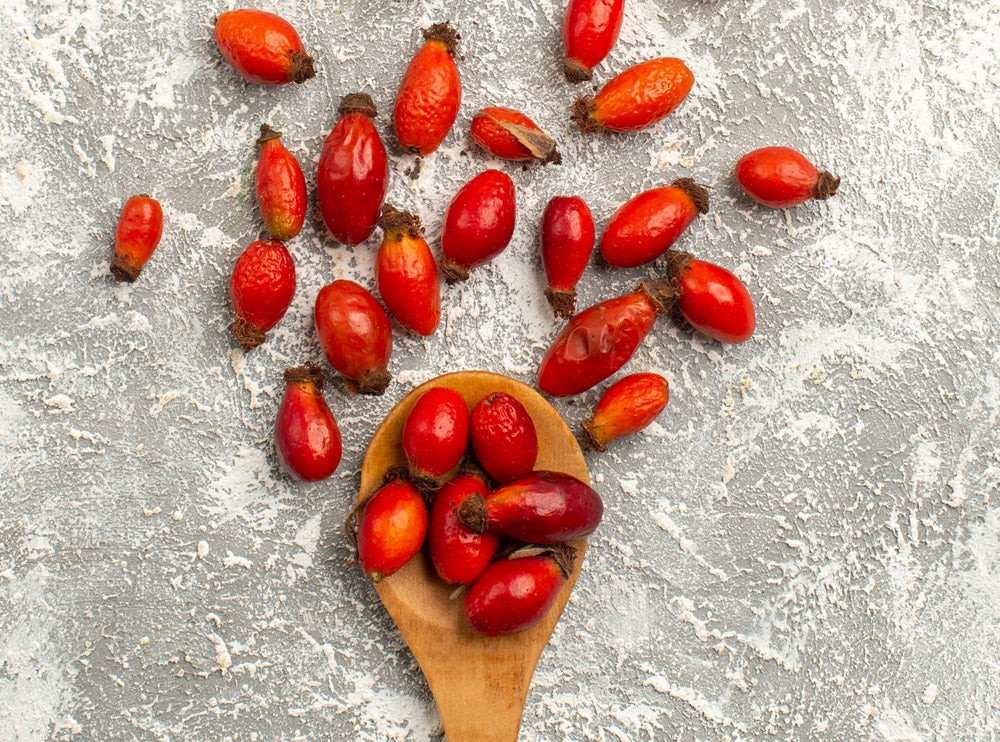
Goji berries are small orange-red fruits from the Lycium shrub, which is native to Asia. They’ve been used in traditional Chinese medicine for centuries and are now sold dried in most health food stores. Their appeal comes from nutrient density: a small handful delivers fiber, protein, vitamin A, vitamin C and antioxidants such as zeaxanthin.*
That makes goji berries a practical choice for adults who want more nutrition from everyday food. They’re also of interest to people focused on eye health, skin health, immune support and healthy aging.*
The short answer is that goji berries are a worthwhile addition to a varied diet, but they’re not a cure-all. This article covers their nutritional content, what research says about blood sugar, eyes, skin and aging, who should be cautious, and how to eat them.
Key Takeaways
- One ounce of dried goji berries provides about 100 calories, 3 grams of fiber, 3 grams of protein, 140% of the Daily Value for vitamin A and 20% for vitamin C.
- Goji berries contain more zeaxanthin than other zeaxanthin-rich foods such as egg yolks, and human studies link them to better eye health markers.*
- Research suggests a modest benefit for blood sugar control, mostly from studies using goji extracts.*
- Goji berries may interact with blood thinners, diabetes drugs and blood pressure medications, and can trigger allergies in some people.
- Traditional doses range from 6 to 30 grams of dried berries a day.
Nutritional Profile of Goji Berries

Goji berries cover a broad mix of nutrients in a small serving, which is why they’re often called a superfood.
Key Nutrients per Serving
According to Health, one ounce (28 grams) of dried goji berries contains:
- Calories: 100
- Carbohydrates: 21 grams
- Fiber: 3 grams
- Protein: 3 grams
- Vitamin A: 140% of the Daily Value
- Vitamin C: 20% of the Daily Value
- Iron: 10% of the Daily Value
Cleveland Clinic adds that goji berries are a good source of zinc and antioxidants such as zeaxanthin.
Minerals, Amino Acids and Healthy Fats
A 2022 Antioxidants journal review notes that goji berries supply minerals including potassium, copper, manganese, iron and zinc. Essential amino acids make up as much as 30% of their free amino acids, and their main fatty acid is linoleic acid. Berries for Africa, a South African berry plant supplier, adds that dried goji berries contain B vitamins, which help the body metabolize carbohydrates, protein and fat.*
Beneficial Plant Compounds
Goji berries are rich in phytochemicals, which are natural compounds made by plants. The Antioxidants journal review identifies polysaccharides as the most important bioactive components, making up 5% to 8% of the dried fruit. Goji berries also contain carotenoids, mainly zeaxanthin, which gives them their red-orange color, plus flavonoids and other phenolic compounds.
What Each Nutrient Does
Each of these nutrients plays a role in how your body works:
- Fiber supports digestion and helps you feel full.*
- Vitamin A supports immune function, vision and reproductive health.*
- Vitamin C supports immunity and helps your skin make collagen.*
- Iron helps your blood carry oxygen.*
- Zinc supports immune function.*
Why Dried Berries Are More Concentrated
Drying removes water, so each spoonful of dried goji berries carries more nutrients than fresh fruit. Berries for Africa notes that dried goji berries are concentrated sources of carotenoids, vitamins and minerals, but also of calories. That’s why a small portion makes sense.
Advertisement


Goji Berries and Blood Sugar
Goji berries are naturally sweet, so it’s worth understanding what the research shows before making them a daily habit.
What Studies Suggest
According to Health, early research suggests plant compounds in goji berries may help lower blood sugar by improving insulin sensitivity. In one study, people with type 2 diabetes who took 300 milligrams of goji extract daily for three months had lower blood sugar and better insulin production.*
The Antioxidants journal review adds important context. A meta-analysis of 548 people found a favorable effect on glucose control, but only marginal effects on cholesterol and triglycerides and no benefit for body weight or blood pressure. A single 25-gram serving of dried goji berries didn’t change blood sugar after eating in overweight men.
The Role of Fiber
Goji berries are a good source of fiber, which can help slow the absorption of sugar into your bloodstream, according to Health.*
Talk to Your Doctor if You Take Diabetes Medication
WebMD notes that goji berries may interact with diabetes drugs. Relish adds that eating large amounts while on diabetes medication could lower blood sugar too much. Check with your doctor before eating goji berries regularly.
Goji Berries for Eye and Skin Health

The carotenoids that give goji berries their color are behind much of their reputation for eye and skin support.
Eye Health
Cleveland Clinic explains that zeaxanthin helps protect the retina, the light-sensitive tissue at the back of the eye. The Antioxidants journal review notes that goji berries contain more zeaxanthin than other zeaxanthin-rich foods, including egg yolks.
Human studies are encouraging. The Antioxidants journal review describes a study in which 15 grams of dried goji berries a day raised blood zeaxanthin levels 2.5-fold in 28 days. Another found that eating goji berries for three months increased macular pigment density in healthy middle-aged adults.* Registered dietitian Michelle Dodd told Cleveland Clinic that more research is needed, but there’s reason to expect goji berries support vision.*
Goji berries are a food choice that supports eye wellness. They’re not a substitute for regular eye exams.
Skin Health
Health notes that the antioxidants in goji berries, including polysaccharides, flavonoids and carotenoids, have been shown to help protect the skin from sun damage and boost its natural antioxidant defenses. Vitamin C adds a second layer of support, because your skin needs it to make collagen.*
Most of this research is early, and goji berries never replace sunscreen.
Advertisement


Other Potential Benefits of Goji Berries
Beyond eyes, skin and blood sugar, researchers have studied goji berries for several other areas of health.
Immune Support
According to Health, older adults who drank 120 milliliters of goji berry juice daily for 30 days had improved immune function. The vitamin C in goji berries also supports the immune system.*
Antioxidants and Healthy Aging
Cleveland Clinic explains that antioxidants help protect your cells from damage caused by free radicals. Over time, that damage causes oxidative stress, which contributes to aging and chronic disease. Goji berries provide several antioxidants at once, including vitamin C, beta-carotene and zeaxanthin.*
Dodd puts it plainly in Cleveland Clinic: no single food can prevent disease on its own. The value of goji berries comes from eating them as part of a varied diet.
Heart Health
The Antioxidants journal review describes a study in which adding 15 grams of dried goji berries a day to a healthy diet further improved blood lipid profiles in middle-aged and older adults. A meta-analysis also found that whole goji berries had a stronger effect on blood lipids than goji extracts.*
Mood and Well-Being
Health describes a study in which drinking 120 milliliters of goji berry juice daily for 14 days improved well-being and mental performance. Because the studies were small and used juice rather than whole berries, more research is needed.
Who Should Be Careful With Goji Berries
Goji berries are generally safe to eat in moderation, but some people should check with a doctor first.
Medication Interactions
WebMD advises that people taking warfarin, a blood thinner, may want to avoid goji berries, and notes possible interactions with diabetes and blood pressure drugs. The Antioxidants journal review adds that combining goji tea, juice or wine with warfarin may increase the risk of bleeding. Relish also recommends talking to your doctor if you take immunosuppressant medication.
Allergies
Goji berries belong to the nightshade family, which includes tomatoes and potatoes, according to BBC Good Food. Health notes that they may trigger allergic reactions in people allergic to peaches, tomatoes, nuts or tobacco.
Pregnancy and Breastfeeding
BBC Good Food advises that pregnant and breastfeeding women should be cautious with goji berries.
Concentrated Products
The Antioxidants journal review notes that goji berries are generally recognized as non-toxic at traditional doses. However, it reports rare cases of liver problems and sun sensitivity linked to goji, and advises caution with highly concentrated products such as juice until more research is done.
How to Eat and Store Goji Berries
Goji berries only help when they become a regular part of your meals, and they’re easy to add.
Easy Ways to Eat Them
Cleveland Clinic suggests using dried goji berries much like raisins or dried cranberries. Try adding them to:
- Oatmeal or overnight oats
- Yogurt or cottage cheese
- Trail mix and granola
- Salads
- Smoothies and smoothie bowls
- Muffins and other baked goods
You can also soak dried goji berries in warm water for a few minutes to soften them.
Advertisement


How Much to Eat
The Antioxidants journal review notes that traditional doses range from 6 to 30 grams of dried goji berries a day. According to Medical News Today, 15 grams a day may be enough to supply your body with zeaxanthin.*
Storing Goji Berries
Relish recommends storing dried goji berries in an airtight container in a cool, dark place, where they can last up to a year. Fresh berries are fragile and keep for only about a week in the fridge, according to Berries for Africa.
FAQs
This article is for informational purposes only and is not a substitute for professional medical advice, diagnosis, or treatment. Statements made on this website have not been evaluated by the U.S. Food and Drug Administration. Always consult a qualified healthcare professional before making changes to your diet, supplements, medications, or healthcare routine.