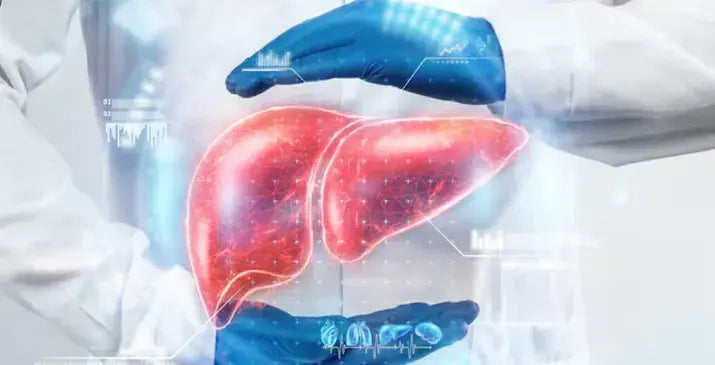


Fatty Liver Diet: What to Eat and How to Reverse It
A Practical Guide to Liver-Friendly Foods, Meal Plans, and Healthy Habits
 By WOWMD Staff

 Fact Checked
Advertiser Disclosure: WOWMD independently vets all recommended products. If you purchase a featured product, we may be compensated. Learn why you can trust us.

Fatty liver disease is one of the most widespread liver conditions in the United States, affecting more than a third of American adults. That figure is especially significant because the condition tends to develop quietly, often with no noticeable symptoms in its early stages. Many people live with excess fat building up in their liver cells for years without any sign that something is changing internally.
Because early symptoms are rare, a fatty liver diagnosis often comes as a surprise, frequently discovered during imaging or blood work ordered for an entirely different reason. That is why understanding how daily food choices affect liver health matters. A fatty liver diet is a structured, evidence-informed approach to eating that focuses on reducing liver fat, managing metabolic health, and supporting the liver’s normal function. This guide covers what the condition is, the core principles of a fatty liver diet, which foods to embrace and avoid, a sample weekly meal plan, the latest research, and the lifestyle changes that support it.
This article is for informational purposes only and is not a substitute for professional medical advice. Speak with your healthcare provider before making significant dietary changes or starting a supplement, especially if you have a liver condition or take prescription medication.
TL;DR
- Fatty liver disease affects an estimated 38% of US adults and often causes no symptoms in its early stages.
- The Mediterranean and DASH diets are among the most researched eating patterns for fatty liver, and both focus on whole foods, fiber, and healthy fats.
- Cutting back on added sugars (especially fructose), refined carbohydrates, and saturated fats is central to fatty liver dietary guidance.
- Losing 3% to 5% of your body weight can reduce liver fat, while 7% to 10% may be needed to reduce inflammation and scarring.
- Regular exercise and limiting or avoiding alcohol support the benefits of dietary change.
- A registered dietitian and your physician can personalize your plan and track your progress with lab work over time.
What Is Fatty Liver Disease and Why Does Diet Matter?
Fatty liver disease is far more common than most people realize. An analysis of national survey data published in PubMed Central estimated the prevalence of NAFLD among US adults at 38.01%, based on NHANES data from 2017 to 2020. The American Liver Foundation puts the figure at about 100 million people in the United States.
From NAFLD to MASLD
Researchers and clinicians have updated how they describe this condition in recent years. Non-alcoholic fatty liver disease (NAFLD) is now also referred to as metabolic dysfunction-associated steatotic liver disease (MASLD), according to the NIDDK. Cleveland Clinic notes that MASLD is the most common type of steatotic liver disease and is linked to obesity, type 2 diabetes, and abnormal lipid levels. The new name reflects a growing understanding that fatty liver is closely tied to overall metabolic health, which is why diet, physical activity, and body composition sit at the center of any meaningful management plan.
How the Condition Can Progress
Cleveland Clinic explains that early on, fatty liver disease often doesn’t cause symptoms. Over time it can progress through inflammation and fibrosis to cirrhosis, and it is linked to a higher risk of heart disease and liver cancer. Progression is not inevitable, though. Cleveland Clinic also notes that many people with steatotic liver disease live long, healthy lives.
Why Diet Is So Important
Diet is widely regarded as one of the most modifiable factors in managing liver health. Eating patterns that reduce refined carbohydrates, added sugars, and saturated fats while emphasizing fiber-rich whole foods have been associated with meaningful reductions in liver fat, and the dietary framework in this guide draws on those principles.
Advertisement

 *All individuals are unique. Your results can and will vary.
What Are the Core Principles of a Fatty Liver Diet?
When dietary choices contribute to fat building up in the liver, adjusting those same choices becomes one of the most practical ways to manage the condition. Two eating frameworks stand out in the research for liver health: the Mediterranean diet and the DASH diet. Both emphasize whole, minimally processed foods and have been studied specifically in people with fatty liver disease.
The Mediterranean Diet and DASH Diet as Frameworks
The Mediterranean diet emphasizes vegetables, legumes, whole grains, fish, olive oil, and nuts, with limited red meat and added sugars. Cleveland Clinic recommends following a healthy eating plan like the Mediterranean diet for fatty liver disease.
The DASH (Dietary Approaches to Stop Hypertension) diet shares similar foundations while placing particular emphasis on reducing sodium and increasing potassium-rich plant foods. In a 2023 randomized clinical trial published in Health Promotion Perspectives, adults with NAFLD who followed the DASH diet saw greater improvement in liver steatosis than those on a standard low-calorie diet.
Whole Foods, Fiber, and Lean Protein
Both dietary approaches prioritize minimally processed foods. Fiber-rich choices such as vegetables, legumes, and whole grains support digestive health and help moderate how quickly glucose enters the bloodstream. Lean proteins, including fish, poultry, eggs, and plant-based sources like lentils, provide the amino acids your body needs without adding excess saturated fat. The American Liver Foundation recommends meals built around lean proteins, whole grains, fruits, vegetables, healthy oils, and low-fat dairy products.
Reducing Simple Carbohydrates and Added Sugars
One of the most consistent recommendations for fatty liver is to cut back on simple carbohydrates and added sugars. The NIDDK advises avoiding foods and drinks that contain large amounts of simple sugars, especially fructose. Refined grains, sugary beverages, and white bread digest quickly and tend to spike blood glucose and insulin levels, which over time may contribute to fat storage in the liver. Replacing them with complex carbohydrates and whole-food sources of natural sugar provides steadier energy.
Which Foods Should You Eat and Avoid With Fatty Liver?
Knowing which foods support liver health and which ones place unnecessary strain on it gives you a practical framework for building a fatty liver diet that works day to day.
Beneficial Foods
A liver-supportive eating pattern centers on whole, minimally processed foods that deliver antioxidants, fiber, and healthy fats.
- Leafy greens. Spinach, kale, and arugula supply folate, fiber, and antioxidant compounds.
- Fatty fish. Salmon and sardines provide omega-3 fatty acids, which WebMD describes as important for the health of your cells.
- Nuts and seeds. Walnuts, flaxseed, and chia seeds are good plant sources of omega-3s, and walnuts also provide vitamin E.
- Whole grains, legumes, and non-starchy vegetables. These deliver fiber that supports healthy blood sugar and insulin responses, both of which influence how much fat the liver stores.
- Cruciferous vegetables. Broccoli and Brussels sprouts add fiber and naturally occurring compounds called glucosinolates.
- Olive oil. WebMD calls healthy fats, especially olive oil, a cornerstone of the Mediterranean diet.
- Coffee. Consumed without excess added sugar, coffee is worth a mention. Mayo Clinic notes that some studies suggest coffee may benefit the liver by reducing the risk of liver diseases such as MASLD.
Foods to Avoid
Health authorities are consistent about which foods to limit.
- Saturated and trans fats. The NIDDK recommends replacing saturated fats and trans fats with unsaturated fats, so limit fried foods, fatty cuts of red meat, and processed meats.
- Added sugars. Sweetened drinks, pastries, and processed snack foods are major sources of added sugar and fructose.
- Refined carbohydrates. White bread, white rice, and sugary cereals spike blood glucose and insulin.
- Alcohol. The American Liver Foundation advises avoiding alcohol (beer, wine, and hard liquor) to lower the risk of additional liver damage.
- Heavily processed packaged foods. These often combine added sugars, refined starches, and unhealthy fats in one product.
Keeping these items to a minimum while gradually adding whole-food alternatives gives your liver a more manageable daily workload.
How Do You Build a Fatty Liver Meal Plan?
Knowing what to eat is one part of a fatty liver diet. Most people get the most practical value from turning that into a weekly routine, since a simple, repeatable meal plan removes daily guesswork and makes consistency easier to maintain.
Building a Weekly Framework
Build each day around three balanced meals, with optional snacks from liver-supportive foods. The plan below covers five weekdays and can be repeated or rotated as needed.
|
Day |
Breakfast |
Lunch |
Dinner |
|
Monday |
Oats with blueberries and walnuts |
Lentil soup with a side salad |
Baked salmon with steamed broccoli and quinoa |
|
Tuesday |
Greek yogurt with flaxseed and fresh fruit |
Grilled chicken over mixed greens with olive oil |
Stir-fried tofu with bok choy and brown rice |
|
Wednesday |
Scrambled eggs with spinach and whole-grain toast |
Chickpea and avocado wrap on a whole-wheat tortilla |
Turkey meatballs with zucchini noodles and tomato sauce |
|
Thursday |
Smoothie with kale, banana, and unsweetened almond milk |
Quinoa bowl with roasted vegetables and tahini dressing |
Baked cod with sweet potato and green beans |
|
Friday |
Overnight oats with chia seeds and sliced almonds |
Black bean soup with whole-grain crackers |
Grilled chicken thighs with sautéed leafy greens |
Each meal makes non-starchy vegetables the largest part of the plate, with lean protein and fiber-rich whole grains or legumes filling out the rest. The plan limits simple carbohydrates such as white bread, white rice, and sugary cereals throughout the week.
Meal Prep and Shopping Tips
Setting aside two to three hours at the weekend for batch cooking makes the weekday plan much easier to stick to. Roasting a large tray of mixed vegetables, cooking a batch of grains, and portioning out protein in advance greatly simplifies daily cooking.
A focused shopping list supports this approach without overcomplicating the routine.
- Proteins: salmon, cod, chicken breast or thighs, eggs, firm tofu, lentils, chickpeas, black beans
- Vegetables: broccoli, spinach, kale, bok choy, zucchini, sweet potato, green beans, mixed salad greens
- Grains and legumes: oats, quinoa, brown rice, whole-wheat tortillas, whole-grain bread
- Healthy fats and extras: walnuts, flaxseed, chia seeds, olive oil, avocado, almonds, tahini
- Pantry staples: low-sodium canned tomatoes, unsweetened almond milk, Greek yogurt, fresh or frozen blueberries
Planning meals before you shop, rather than after, makes the plan noticeably easier to follow. Keeping refined grains and sugary packaged foods out of your regular shopping rotation is one of the most straightforward ways to cut added sugar and refined starch.
Advertisement

 *All individuals are unique. Your results can and will vary.
What Does the Latest Research Say About Fatty Liver Diets?
Dietary science for fatty liver disease has moved well beyond general advice to eat less fat. Researchers have identified specific eating patterns and nutrient targets that appear to influence liver fat, inflammation, and metabolic health.
Mediterranean Diet and Liver Fat Reduction
Among the dietary patterns studied, the Mediterranean diet has attracted the most consistent research attention. In one small randomized crossover study of 12 people with biopsy-proven NAFLD, reported by MDedge, six weeks on a Mediterranean diet was associated with a 39% reduction in liver fat, with no similar improvement on a low-fat diet. Weight loss was modest and similar on both diets, which suggests the benefit came from the diet’s quality rather than weight loss alone.
Low-Sugar and Low-Fructose Approaches
Researchers have also looked at how cutting back on carbohydrates, and fructose in particular, affects liver fat. Because the liver processes fructose differently from glucose, high fructose intake from sweetened beverages and processed foods has been associated with higher liver fat in observational research. That is why the NIDDK specifically advises limiting simple sugars, especially fructose. Longer trials are still needed to confirm how these approaches perform over time.
Weight Loss and Liver Health
Studies consistently link even modest weight loss to improvements in liver health. According to the NIDDK, losing at least 3% to 5% of your body weight can reduce fat in the liver, and you may need to lose up to 7% to 10% to reduce liver inflammation and fibrosis. Mayo Clinic notes that losing 10% of your body weight or more is typically recommended, but that even 3% to 5% can have benefits. Individual responses vary, and results depend on long-term consistency.
Which Lifestyle Changes Support Liver Health?
Diet lays the foundation, but regular movement, weight management, and reduced alcohol intake help the results last. Clinical guidance consistently points to these changes as meaningful complements to any dietary approach.
Exercise and Physical Activity
Both aerobic exercise and resistance training have been studied in people with fatty liver disease, and research suggests that regular physical activity may help reduce liver fat. Mayo Clinic recommends aiming for at least 150 minutes of exercise a week. Brisk walking, cycling, or swimming on most days is a practical starting point, and resistance training two to three times a week may further support insulin sensitivity. Gradual increases in activity tend to be more sustainable than sudden jumps in intensity.
Weight Management
Excess body weight, particularly around the abdomen, is one of the best-documented contributors to fatty liver disease. Slow, steady weight loss through dietary change and increased activity is the safest approach. The NIDDK notes that doctors recommend losing weight gradually, since rapid weight loss and malnutrition can make liver disease worse.
Alcohol Reduction
Alcohol places additional demands on the liver and can compound existing strain. The NIDDK advises that people with NAFLD minimize alcohol use, which can further damage the liver. Mayo Clinic goes further, advising people with fatty liver disease not to drink alcohol at all.
ALSO READ: Best Liver Supplements for Normal Liver Function: Guide 2027
Can Supplements Support Liver Health?
Diet and lifestyle come first, but some people choose to add a supplement as part of a broader wellness plan, especially if nutritional gaps are a concern. Always discuss supplements with your provider first, particularly if you have a diagnosed liver condition or take medication.
1. WOWMD Liver Support: Best for Daily Liver Wellness

Pros:
- Combines milk thistle, beetroot, artichoke extract, and dandelion root
- Plant-based veggie capsules with a simple once-daily routine
- Gluten-free, non-GMO, vegan-friendly, and vegetarian
- Made in the USA in a GMP facility with third-party lab-tested ingredients
- 60-day money-back guarantee for first-time single-bottle purchases
Cons:
- Not intended for anyone under 18, or during pregnancy or nursing unless directed by a healthcare professional
- People with a liver, kidney, gallbladder, or bile-duct condition, or an allergy to plants in the Asteraceae family, should check with a provider first
Key ingredients: Milk thistle, beetroot, artichoke extract, dandelion root | Format: 60 veggie capsules | Rating: 4.9/5 from 1,143 verified reviews
WOWMD Liver Support is formulated to support normal liver function as part of a healthy lifestyle.† Take two veggie capsules once a day, 20 to 30 minutes before a meal with an 8 fl oz glass of water, or as directed by your healthcare professional. It is not intended to treat liver disease, so it works best alongside the dietary and lifestyle changes in this guide, not in place of them.
"Definitely feel less sluggish in the mornings. The artichoke extract seems to help with digestion too." - Linda P.
2. WOWMD Berberine Essentials: Best for Metabolic Support

Pros:
- Berberine HCl sourced from Berberis aristata bark
- Plant-based capsules with minimal other ingredients
- Gluten-free, non-GMO, vegan-friendly, and vegetarian
- Made in the USA in a GMP facility with third-party lab-tested ingredients
- 60-day money-back guarantee for first-time customers
Cons:
- Not suitable during pregnancy or breastfeeding, or for anyone under 18
- May interact with medications, so a provider check is important
Key ingredients: Berberine HCl (Berberis aristata bark) | Format: Capsules | Rating: 4.8/5 from 840 verified reviews
WOWMD Berberine Essentials is formulated to support daily metabolic wellness, which ties closely to the metabolic factors behind fatty liver.† Take two capsules daily, preferably 20 to 30 minutes before a meal with water, or as directed by your healthcare provider. Because berberine can affect how the body processes some medications, speak with your provider before use, especially if you have a liver condition.
"I don't like making big changes to my daily habits. This feels like a small, manageable addition that fits comfortably into the routine I already have." - Justin H.
†These statements have not been evaluated by the Food and Drug Administration. These products are not intended to diagnose, treat, cure, or prevent any disease. Individual results may vary.
ALSO READ: Elevated Liver Enzymes Can Indicate Liver Stress or Damage
Advertisement

 *All individuals are unique. Your results can and will vary.
Final Thoughts
Managing fatty liver disease through diet takes a coordinated approach, not isolated changes. A fatty liver diet built around whole foods, fewer added sugars, healthy fats, and plenty of fiber, combined with regular exercise, gradual weight loss, and little or no alcohol, gives your liver the conditions it needs to function well over time.
The most useful next step is to pick the one area of your current eating pattern that differs most from the principles in this guide, and address that first. Common starting points include cutting back on ultra-processed snacks, switching from refined to whole-grain carbohydrates, or adding more vegetables to every meal. Small, consistent changes tend to last longer than a complete overnight overhaul.
Fatty liver disease falls on a clinical spectrum, so dietary guidance should always be personalized to your health, medications, and any other conditions. A registered dietitian experienced in liver health can help you build a meal plan around your lab results and lifestyle, while your primary care physician or a hepatologist can monitor your liver enzymes and metabolic markers over time. If you and your provider decide a supplement fits your plan, WOWMD Liver Support and WOWMD Berberine Essentials are two options made in the USA. Meaningful change typically unfolds over months rather than weeks.
FAQs
This article is for informational purposes only and is not a substitute for professional medical advice, diagnosis, or treatment. Statements made on this website have not been evaluated by the U.S. Food and Drug Administration. Always consult a qualified healthcare professional before making changes to your diet, supplements, medications, or healthcare routine.