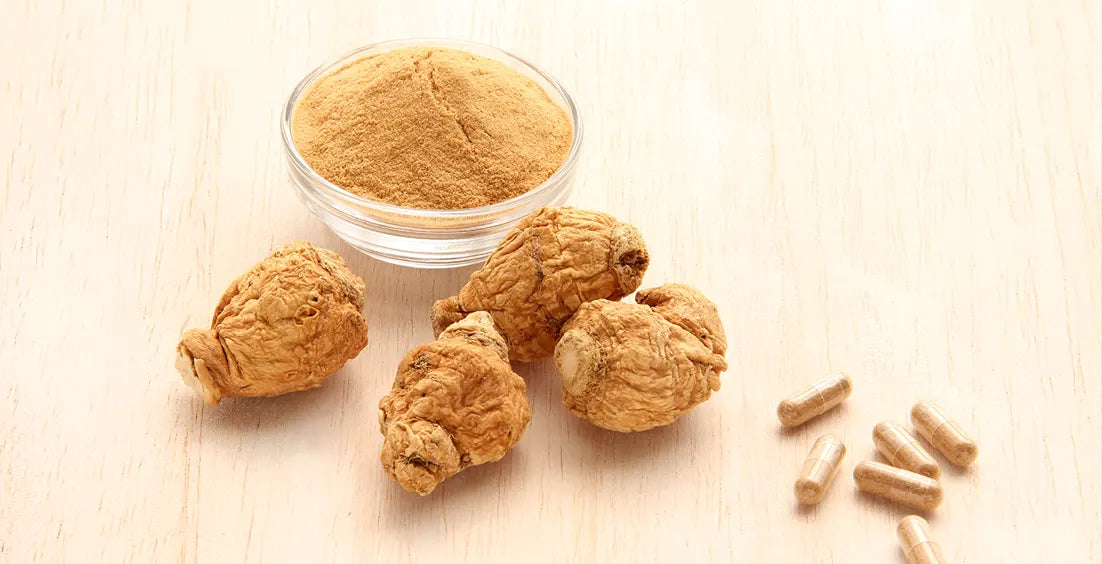


Does Maca Actually Increase Testosterone? Here Is What the Science Says
Maca may support libido and energy, but research shows it does not raise testosterone.
 By WOWMD Staff

 Fact Checked
Advertiser Disclosure: WOWMD independently vets all recommended products. If you purchase a featured product, we may be compensated. Learn why you can trust us.


You may have seen maca described as a natural testosterone booster, and that label is usually why people search "does maca increase testosterone" before they buy. If your energy or libido has shifted, you want to know whether maca will move your testosterone level, because that answer decides whether maca matches your goal at all.
Human studies point to no rise in testosterone. But that isn't the whole story.
Maca is a root vegetable from the Andes, sold mostly for energy and libido, and those aren't the same thing as testosterone. So your first decision comes before you compare any bottle. Which outcome do you care about most, a measurable hormone change or how you feel day to day?
Key Takeaways
Maca does not appear to raise testosterone in human research. Most of its human evidence centers on self-reported sexual desire,* so it fits a libido and energy goal better than a testosterone goal.
- In a placebo-controlled trial of men with erectile dysfunction, 2,400 mg of maca daily for 12 weeks did not change total or free testosterone.
- A systematic review of herbs and testosterone found no significant testosterone change in any of its three maca trials.
- Desire and blood testosterone are separate measures, so maca may change how you feel without changing your lab number.*
- If a higher testosterone reading is your goal, ask your doctor about testing rather than relying on maca.
Advertisement


Does Maca Increase Testosterone in Human Studies?
No, not in the human research available so far. A systematic review in Advances in Nutrition looked at randomized controlled trials of herbs and testosterone in men, and it included three maca trials:
- Healthy men aged 20 to 40: 1,750 mg of maca daily for 12 weeks, with no significant change in testosterone.
- Men with erectile dysfunction: 2,400 mg daily for 12 weeks, with no significant change in total or free testosterone compared with placebo.
- Men aged 21 to 56 in Peru: three different maca regimens, again with no significant difference from placebo.
The same review found positive effects for some other herbs, including fenugreek seed and ashwagandha extracts, so the null result for maca isn't simply a sign that the research method missed everything.
So if you're hoping a few months of maca will push a borderline lab result upward, the evidence doesn't support that expectation. That tells you maca doesn't move testosterone. It doesn't tell you maca does nothing, and the distinction matters for anyone whose real concern is desire or energy.
Why Maca Is Still Linked to Male Hormones
Part of the reputation comes from how maca is marketed, and part comes from early research hints. Rupa Health notes that some research suggests maca may influence the pituitary gland, the gland that helps signal testosterone production. It also mentions some evidence of higher testosterone in the semen of men using maca.
Neither point shows a rise in blood testosterone. As Rupa Health puts it, more research is needed to confirm a direct rise in serum testosterone with maca use. These hints explain why maca keeps getting filed under male hormones, but they don't give you a reason to expect a change in your own testosterone.
ALSO READ: Can Maca Root Help Balance Hormones?
What Maca's Research Says About Sexual Desire
Most of maca's human research focuses on sexual desire rather than hormones. Medical News Today describes an older study of men in which maca improved self-reported libido even though testosterone and other hormone levels stayed the same. Rupa Health similarly describes maca's sexual-function benefits as independent of any changes in testosterone and estrogen.
The evidence is still limited. Medical News Today also cites a review that found insufficient evidence to say with certainty that maca reliably increases libido.
How can maca affect desire without changing testosterone? Self-reported desire and blood testosterone are separate measures. One is how you feel about intimacy, recorded on a questionnaire. The other is a number from a blood draw. Desire depends on far more than one hormone, including sleep, stress, mood and energy, so a change in how you feel doesn't have to show up on a lab report. Results are self-reported and vary from person to person.*
Advertisement


What to Know About Maca as a Root Vegetable
Before it was a capsule, maca was food. Medical News Today explains that it's a cruciferous vegetable, in the same family as broccoli, cabbage and kale. Some people also use it as a caffeine-free morning drink, which WOWMD covers in its guide to using maca as coffee substitute.
You'll also see maca sold by color. According to Rupa Health, yellow maca is the most widely used and most researched form, red maca accounts for about 25% of the annual harvest, and black maca is the rarest. Unless a specific study or product names a color for a reason, color shouldn't be the deciding factor when you buy.
On safety, Medical News Today notes that maca may cause mild digestive side effects, that research on long-term effects is lacking, and that studies have generally used about 2 to 3 grams a day for three months or less. Rupa Health advises against maca during pregnancy and breastfeeding, and notes reports that it may raise blood pressure in people with metabolic syndrome.
ALSO READ: 10 Best Testosterone Boosters of 2026: Clinicians' Reviewed
Choosing a Maca Supplement When Your Goal Is Energy, Not Testosterone
Start with the goal you named at the top. If testosterone itself is your concern, maca isn't the tool for that, and the more useful step is asking your doctor about testing so you know where your level actually stands.
If your goal is how you feel day to day, maca is a reasonable option to discuss with your clinician. WOWMD Maca Plus combines organic black, red and yellow maca roots with black pepper extract, and is designed to support daily energy, stamina and general well-being.* The serving is two capsules daily. Black pepper extract may affect how certain medications are absorbed, so check with a healthcare professional first if you take prescription medication.
The WOWMD maca supplements collection also includes WOWMD Perform Max, which contains maca alongside other ingredients for men's stamina and vitality.* None of these products is presented as a way to raise testosterone, which lines up with what the research shows.
Some people pair maca with ashwagandha, an adaptogen herb. WOWMD's comparison of ashwagandha vs maca root describes a common approach of taking maca in the morning with food and ashwagandha in the evening to help wind down.* That pairing should be done with professional guidance, and people with hormone-sensitive conditions shouldn't combine them without their specialist's approval.
Advertisement


FAQs
This article is for informational purposes only and is not a substitute for professional medical advice, diagnosis, or treatment. Statements made on this website have not been evaluated by the U.S. Food and Drug Administration. Always consult a qualified healthcare professional before making changes to your diet, supplements, medications, or healthcare routine.