




Beetroot and Liver Health: A Comprehensive Guide
Beetroot’s Role in Liver Health
 By WOWMD Staff

 Fact Checked
Advertiser Disclosure: WOWMD independently vets all recommended products. If you purchase a featured product, we may be compensated. Learn why you can trust us.
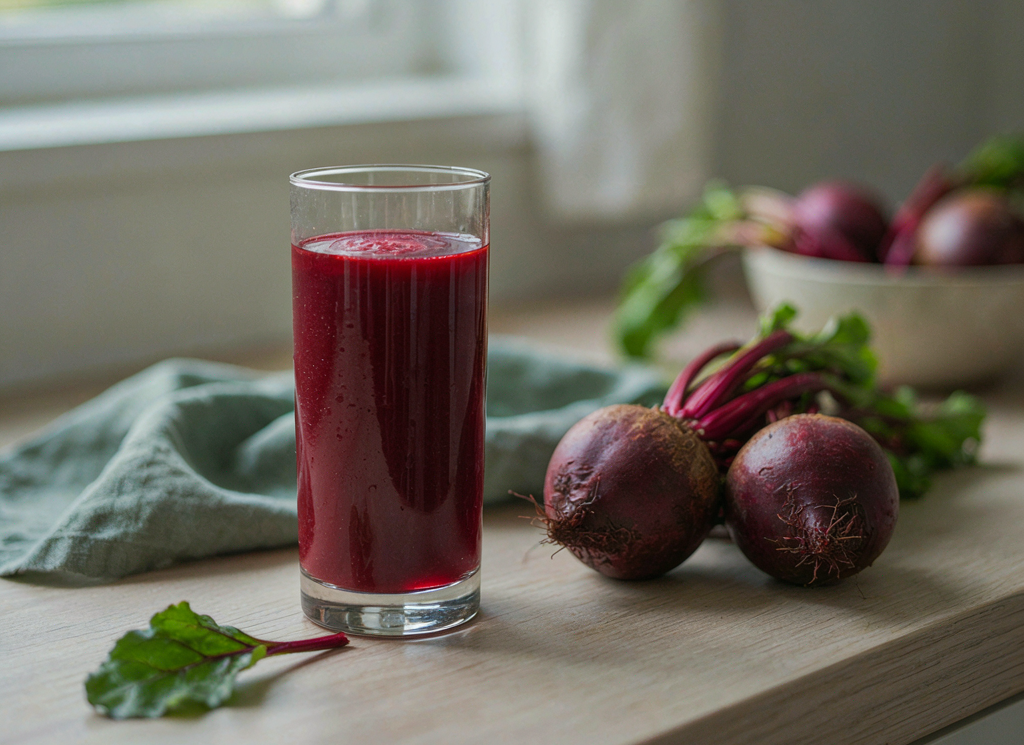
Your liver never clocks out. Right now, it’s filtering toxins, metabolizing nutrients, producing bile, and regulating blood sugar, all at once. When it struggles under that load, you feel it: fatigue that coffee can’t fix, bloating after meals, digestion that feels off, skin that looks dull. That strain rarely announces itself clearly, which is why research into natural compounds that support liver function deserves a serious look.
Quick stats that frame why this matters:
|
Fact |
Source |
|
Fatty liver disease affects up to 1 in 3 UK adults in its early stages |
|
|
Global NAFLD prevalence is estimated at 32% of adults (40% in men, 26% in women), and rising |
|
|
A 12-week human trial found daily beetroot juice significantly improved liver enzymes in NAFLD patients |
|
|
High coffee intake is linked to a 35% lower risk of significant liver fibrosis in NAFLD patients |
Beetroot has earned genuine scientific attention as a liver-supportive food. Researchers are actively studying its bioactive profile at a cellular level, and what they’re finding is worth understanding before you decide whether it belongs in your routine.
Advertisement


The Core Mechanism: Oxidative Stress
When the liver is overloaded, whether from a high-fat diet, environmental toxins, alcohol, or the cumulative burden of modern life, free radical activity increases and liver cell injury follows.
A study in Scientific Reports found that beetroot extract restored several key antioxidant markers, including glutathione, superoxide dismutase, and catalase activity, in rat liver tissue exposed to iron-induced oxidative damage. One important caveat: this was an in vitro/ex vivo lab study on isolated liver tissue, not a live-animal feeding trial or a human study. It’s solid early-stage mechanistic evidence, not proof of benefit in a living person.
The bioactive compounds driving this effect:
- Betalains: the red pigments, function as potent antioxidants
- Betaine: a methyl donor, supports fat metabolism in liver cells
- Dietary nitrates: converted to nitric oxide, support circulation
While lab and animal-model research is promising, the human clinical picture is still developing. As one clinical review notes, human evidence for beetroot specifically in fatty liver disease remains limited, even as its bioactive compounds show genuine promise in preclinical studies.
Bottom line: beetroot is not a standalone solution for serious liver conditions and should never replace medical care, but as part of a broader wellness approach, its research-backed profile makes it a worthwhile addition.
† The Food and Drug Administration has not evaluated these statements. These products are not intended to diagnose, treat, cure, or prevent any disease.
How Beetroot Compares to Other Liver-Supportive Foods
Beetroot is one of several foods researchers have studied for liver support. Here’s how it stacks up:
|
Food |
Main Liver-Relevant Compound |
Human Evidence |
|
Beetroot (juice) |
Betalains, betaine, dietary nitrates |
Moderate: one 12-week RCT in NAFLD patients showed improved liver enzymes and lipids |
|
Coffee |
Chlorogenic acids, caffeine |
Strong: multiple meta-analyses link regular intake to 32 to 35% lower risk of fibrosis and cirrhosis |
|
Blueberries |
Anthocyanins |
Emerging:linked by Ochsner Health to reduced inflammation and oxidative stress, mostly from animal and lab data |
|
Garlic |
Organosulfur compounds |
Limited: small human trials (800 to 1,600 mg daily) show decreased liver fat in people with existing chronic liver disease |
Coffee currently has the strongest, most consistent human evidence of this group. Beetroot’s evidence base is smaller but includes at least one well-designed human trial, which puts it ahead of several other commonly recommended liver foods.
Advertisement

Understanding Beetroot’s Bioactive Compounds
|
Compound |
What It Does |
Human Evidence |
|
Betalains |
Antioxidants; may neutralize free radicals in liver cells |
Mostly lab and animal studies; human data still developing |
|
Betaine |
Methyl donor supporting fat metabolism; may help the liver export fat more efficiently |
Well-studied for homocysteine reduction generally; a typical beetroot serving delivers less betaine than doses used in dedicated betaine trials |
|
Dietary nitrates |
Convert to nitric oxide, supporting blood vessel function and circulation |
Well established for blood pressure and exercise performance; liver-specific human data more limited |
Betalains: The Pigments That Do More Than Color
The rich red-purple hue comes from betacyanins (red tones) and betaxanthins (yellow-orange tones). Both function as antioxidants. In lab and animal studies, betalain-rich extracts have shown promise in reducing markers of liver cell damage. Translating animal data into confirmed human outcomes is still a work in progress, but the biological rationale holds up.
Betaine: The Methylation Supporter
Betaine is perhaps the most studied beetroot compound for liver function. A natural derivative of choline, it supports methylation, a process tied to fat metabolism inside liver cells. Beetroot is one of the more concentrated whole-food sources of betaine, alongside spinach and quinoa. However, a typical serving delivers less betaine than the doses used in dedicated betaine supplement trials.
Dietary Nitrates: Beyond Blood Pressure
Beetroot is one of the more concentrated vegetable sources of dietary nitrate, along with spinach, arugula, and celery, all containing roughly 1,000 to 2,500 mg of nitrate per kilogram of fresh weight, per an EFSA-sourced review. In the body, nitrates convert to nitric oxide, supporting blood vessel function and circulation. For the liver, improved blood flow and reduced oxidative burden are supportive conditions. This nitrate effect is one of the most research-backed aspects of beetroot’s bioactivity overall, just not always specific to the liver.
This doesn’t diminish beetroot’s value as a nutrient-dense food. It does mean anyone relying on it as a primary strategy for managing a specific liver condition should work with a healthcare provider.
† The Food and Drug Administration has not evaluated these statements. These products are not intended to diagnose, treat, cure, or prevent any disease.
What Human Trials Actually Show
Most human research on beetroot and liver health focuses on NAFLD.
The strongest data point: a randomized controlled trial of 180 NAFLD patients tested 250 mL of beetroot juice daily for 12 weeks, alongside a Mediterranean diet, and found significant improvements in several markers:
- ALT (a key liver enzyme)
- ALP
- Bilirubin
- Triglycerides and LDL cholesterol
- HDL cholesterol (increased)
That’s an encouraging, specific result. But context matters:
- Results were seen alongside a structured diet, not beetroot juice in isolation
- Other, smaller studies have shown more modest or mixed results
- Trials vary widely in dose, format (juice vs. extract vs. powder), and duration, making firm dosing guidance difficult
Why the gap matters: this doesn’t mean beetroot has no value. It means approaching the research with accurate expectations. The evidence trail from “biologically plausible” to “clinically validated at scale” is longer than supplement marketing often implies.
† The Food and Drug Administration has not evaluated these statements. These products are not intended to diagnose, treat, cure, or prevent any disease.
Integrating Beetroot into a Liver-Healthy Diet
Knowing the research is one thing; building a habit around it is another. Whether you lean toward juice, whole beets, or a supplement, the compounds discussed above only do their work with consistent intake over time. Here’s how to fit beetroot into your routine in a way that’s realistic to sustain.
1. Beetroot Juice as a Daily Foundation
Ochsner Health lists beetroot juice alongside berries, coffee, and tea as a food shown to support liver function, noting it may help protect against oxidative damage while supporting the liver’s natural detoxification enzymes.
- Practical starting point: an 8-ounce glass of cold-pressed beetroot juice in the morning. Pair with a small amount of fat (nuts, avocado) for better absorption of fat-soluble compounds. Blend with apple, ginger, or lemon if the earthy flavor is too strong.
- A caveat: beetroot juice is also one of the higher-oxalate beverages around, with peer-reviewed lab analysis putting it at roughly 60 to 70 mg of oxalate per 100 mL, among the highest of common fruit and vegetable juices tested. If you have a history of calcium oxalate kidney stones, talk to your doctor before making this a daily habit.
2. Whole Beetroot in Meals
Roasted or steamed beetroot holds up well in salads, grain bowls, and wraps. Aim for:
- Half a cup to one cup of cooked beetroot, 2 to 4 times per week
- Raw, grated beetroot in slaws or hummus occasionally, since raw beetroot retains slightly more heat-sensitive compounds
3. Beetroot Powder and Capsule Supplements
A good option for busy schedules or if you don’t enjoy the flavor. Look for organic, concentrated beetroot with no artificial fillers and third-party testing for purity and potency.
Five practical guidelines:
- Start with juice or a supplement in the morning, when compliance is easiest
- Pair beetroot with other liver-supportive foods like leafy greens and cruciferous vegetables
- Rotate whole beets into meals 2 to 3 times weekly for variety and fiber
- Stay hydrated throughout the day to support your liver’s filtration processes
- If you have a kidney stone history, pair beetroot juice with a calcium source (yogurt, cheese) at the same meal, since calcium can bind oxalate in the gut before it reaches the kidneys
† The Food and Drug Administration has not evaluated these statements. These products are not intended to diagnose, treat, cure, or prevent any disease.
The Bottom Line
|
What the Evidence Shows |
Confidence Level |
|
Beetroot’s antioxidant compounds protect liver tissue in lab settings |
Strong (mechanistic) |
|
A 12-week human RCT showed improved liver enzymes with daily juice plus diet |
Moderate (one well-designed trial) |
|
Beetroot alone reliably treats or reverses NAFLD in humans |
Not established |
|
Beetroot juice carries a real oxalate and kidney stone consideration |
Well documented |
Advertisement


The most important variable is consistency. A single glass of beet juice does very little; meaningful outcomes in the human studies conducted so far have appeared with a daily habit maintained over four to twelve weeks. Whether you choose whole beets, fresh juice, or a concentrated supplement, the goal is the same: give your liver bioactive support, every day, as part of a broader diet, not as a standalone fix.
† The Food and Drug Administration has not evaluated these statements. These products are not intended to diagnose, treat, cure, or prevent any disease.
This article is for informational purposes only and is not a substitute for professional medical advice, diagnosis, or treatment. Statements made on this website have not been evaluated by the U.S. Food and Drug Administration. Always consult a qualified healthcare professional before making changes to your diet, supplements, medications, or healthcare routine.
