

Vitamin K Deficiency: Signs and Symptoms You Shouldn't Ignore
Learn the signs, causes, symptoms, and treatment of vitamin K deficiency. Discover how to prevent deficiency and support healthy blood clotting.
 By WOWMD Staff

 Fact Checked
Advertiser Disclosure: WOWMD independently vets all recommended products. If you purchase a featured product, we may be compensated. Learn why you can trust us.
Table of contents

When you think of vitamins, which ones pop up in your head? You probably think of vitamin C because everyone knows it’s good for the immune system and helps keep you from getting sick.
You might have also thought of vitamin E, which is essential for skin health and beauty.
You may have even thought of retinol, also known as vitamin A, for healthy eyesight.
But it’s likely that most people don’t think of vitamin K when they think of vitamins that they are familiar with. Still, vitamin K plays an important role in many vital bodily functions and processes. So the question becomes, ‘Are you getting enough vitamin k?’ If not, how would you even know?
Vitamin K2 deficiency is not often talked about and the symptoms can be hard to spot. So in the following article, we will be talking all about vitamin K deficiency and the importance of this nutrient.
TL;DR
What You Need to Know About Vitamin K Deficiency in 30 SecondsVitamin K plays a crucial role in blood clotting, bone strength, and overall cardiovascular health. While rare in healthy adults, deficiency symptoms can include easy bruising, excessive bleeding, and weak bones. It’s more common in infants, people on certain medications (like blood thinners or antibiotics), or those with poor gut absorption. Treatment usually involves vitamin K supplements and a K-rich diet (think leafy greens!). If you notice dark stools or frequent bruising, consult your doctor.
Signs and Symptoms of Vitamin K Deficiency
So how can you tell if you aren’t getting enough vitamin K? Vitamin K deficiency is not very common in adults, but if you have certain health conditions or are taking certain medications, your risk of this deficiency may increase. Let’s take a look at the common signs of vitamin K deficiency and K2 deficiency symptoms:
Advertisement


Excessive Bleeding
Since vitamin K plays a key role in blood clotting, excessive bleeding is often the first sign of vitamin K deficiency. When you are wounded and draw blood, it will take a long time to clot if you are deficient in vitamin K.
Easily Bruised Skin
Vitamin K is essential for blood health and when you are deficient in this vitamin, it may cause irregular bruising or cause you to bruise more easily than normal.
Dr. Markus Ploesser, MD
According to Markus Ploesser, MD, an integrative medicine physician and psychiatrist at Open Mind Health, “People with a vitamin K deficiency may bruise easily, even with minor impacts, due to impaired blood clotting. Vitamin K is essential for activating clotting factors that help blood vessels heal. Without sufficient vitamin K, small blood vessels can break and cause discoloration under the skin.”

Dark Stool
Again, vitamin K is essential for blood health and deficiency in this vitamin can manifest itself in many ways that have to do with blood. If you have been noticing that your fecal matter is darker than normal or if there's blood in it, you may be vitamin K deficient.
Frequent Illnesses
Vitamin K also plays an important role in the absorption of other minerals, vitamins, and nutrients such as calcium. Calcium is imperative to the health of immune cells so when it is not absorbed into the body thoroughly enough because of a lack of vitamin K, you may find that you get sick easier and with higher frequency than normal.
Infants are far more likely to be vitamin K deficient because this vitamin does not pass through the placenta easily and their intestinal bacteria has not had enough time to start producing the nutrient. In infants, the common signs of vitamin K deficiency can include sudden bleeding in the brain, bleeding at the site where the umbilical cord was severed, excessive bleeding on the skin, and bleeding around the penis.
While vitamin K deficiency treatment has advanced over the years, the first step in treating it is knowing that you have the condition. That’s why it’s so important to know the signs of the condition and the vitamin K deficiency causes.
Causes of Vitamin K Deficiency
While adults are unlikely to suffer from vitamin K deficiency because many of the common foods we eat contain vitamin K, you could put yourself at heightened risk if:
- You take certain anticoagulant medications or blood thinners like statins.
- You have a condition that makes it harder for the blood to coagulate.
- You have a medical condition that doesn’t allow for the complete absorption of vitamin K or other nutrients.
- You don’t eat a lot of foods that contain vitamin K.
In addition, there are also some antibiotic medications that cause the body to produce less of its own natural vitamin K. Some antibiotics may not stymie natural vitamin K production, but they may make the vitamin K less effective overall.
In either case, it is important to eat foods that are rich in vitamin K if you are on any of these kinds of medications.
Advertisement


Risk Factors for Vitamin K Deficiency
If you have read up to this point, then you probably already have an idea of how one might put themselves at risk of becoming vitamin K deficient. In any case, though, we want to spell it out in plain English just to be sure. Some important precautions include:
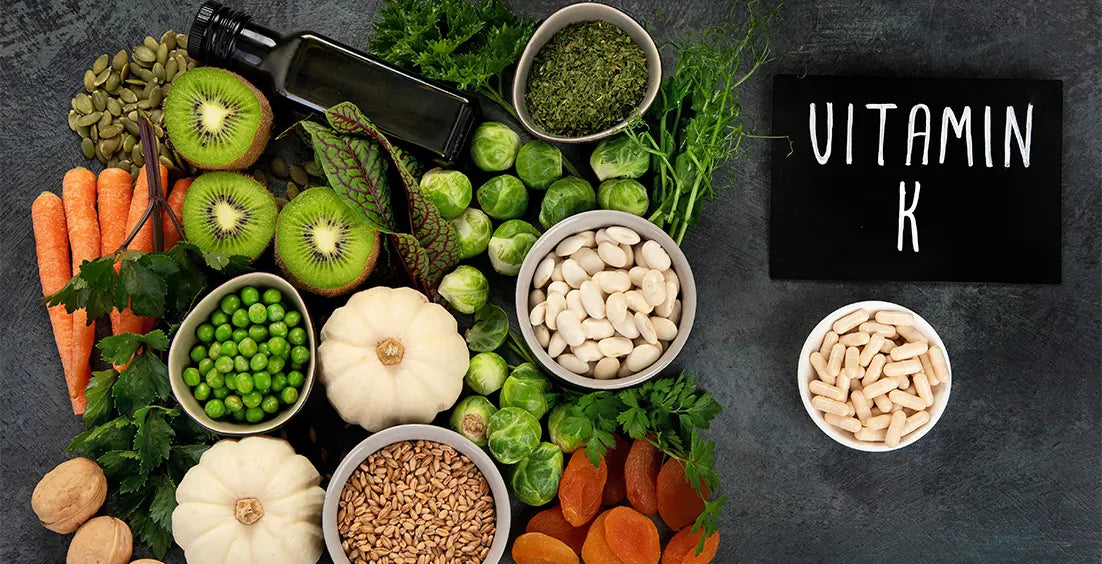
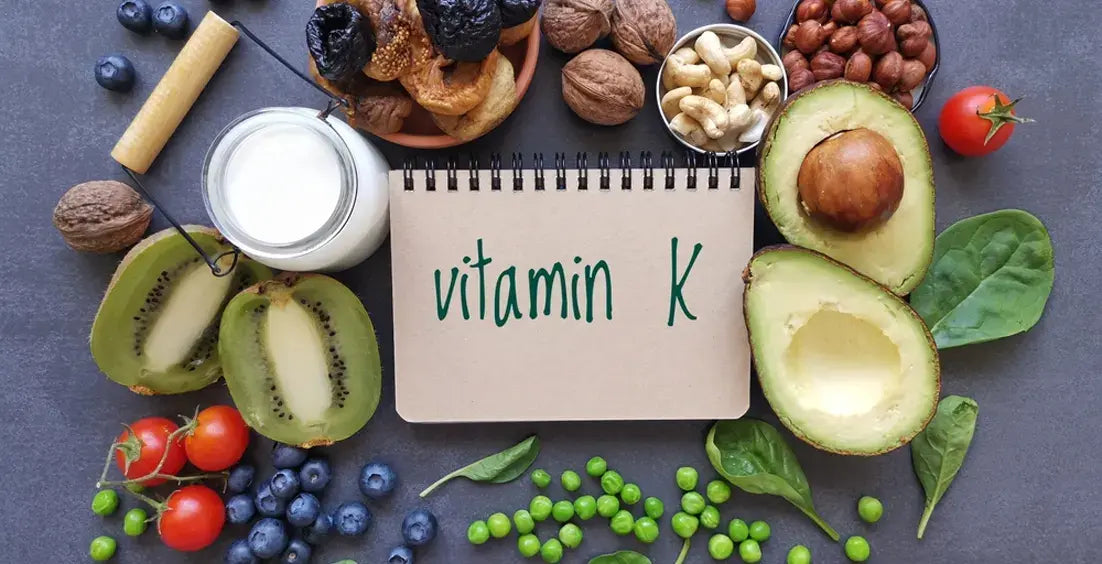
- You aren't eating enough foods rich in vitamin K, such as kale, spinach, broccoli, Brussels sprouts, and lettuce
- Taking antibiotics that hinder the body’s natural production of vitamin K or make it less effective
- Taking extremely high doses of other vitamins that can interfere with the absorption of vitamin K
Watch this video for an in-depth look at vitamin K deficiency and its impact on your health. Enjoy practical tips and insights that can help you maintain optimal blood and bone health.
Treating Vitamin K Deficiency & Preventing Vitamin K Deficiency
Now you know why vitamin K is important, the common signs of vitamin K deficiency, and how you can put yourself at risk of becoming vitamin K deficient. But how is this kind of deficiency treated? The good news is that vitamin K deficiency treatment is pretty simple, streamlined, and effective.
For the most part, vitamin K deficiency in adults is treated with a high-quality vitamin K2 supplement to help boost levels quickly and effectively. However, your doctor may also recommend that you make some dietary changes to include more vitamin K-rich ingredients.
For vitamin K deficiency in children and infants, many physicians order a vitamin K shot as it is among the fastest and most effective ways to boost vitamin K levels in children.
Advertisement


Final Thoughts
Vitamin K may not be a nutrient that you think about on a daily basis. However, its importance cannot be understated. It helps the blood clot properly, strengthens bones, and improves cardiovascular function.
If you suspect that you may be vitamin K deficient based on the symptoms we described above, you may need to seek medical attention or at least take a high-quality vitamin K supplement.
Learn more about Vitamin K:
FAQs
This article is for informational purposes only and is not a substitute for professional medical advice, diagnosis, or treatment. Statements made on this website have not been evaluated by the U.S. Food and Drug Administration. Always consult a qualified healthcare professional before making changes to your diet, supplements, medications, or healthcare routine.
Our Top Picks

VitaSun Vitamin K2+D3


Berberine Essentials

References
WOWMD follows strict sourcing guidelines to ensure the accuracy of its content, outlined in our editorial policy. We use only trustworthy sources, including peer-reviewed studies, qualified experts, and information from top institutions.


- Vitamin A: https://medlineplus.gov/ency/article/002400.htm
- Frequently Asked Questions About Vitamin K Deficiency Bleeding: https://www.cdc.gov/vitamin-k-deficiency/faq/index.html
- Vitamin K Deficiency: https://www.ncbi.nlm.nih.gov/books/NBK536983/
- Warfarin, your diet, and vitamin K foods: https://uihc.org/educational-resources/warfarin-your-diet-and-vitamin-k-foods