




Recognizing the Symptoms of UTIs
Understand UTI symptoms, treatment, warning signs, and everyday habits that may help reduce your risk.
 By WOWMD Staff

 Fact Checked
Advertiser Disclosure: WOWMD independently vets all recommended products. If you purchase a featured product, we may be compensated. Learn why you can trust us.
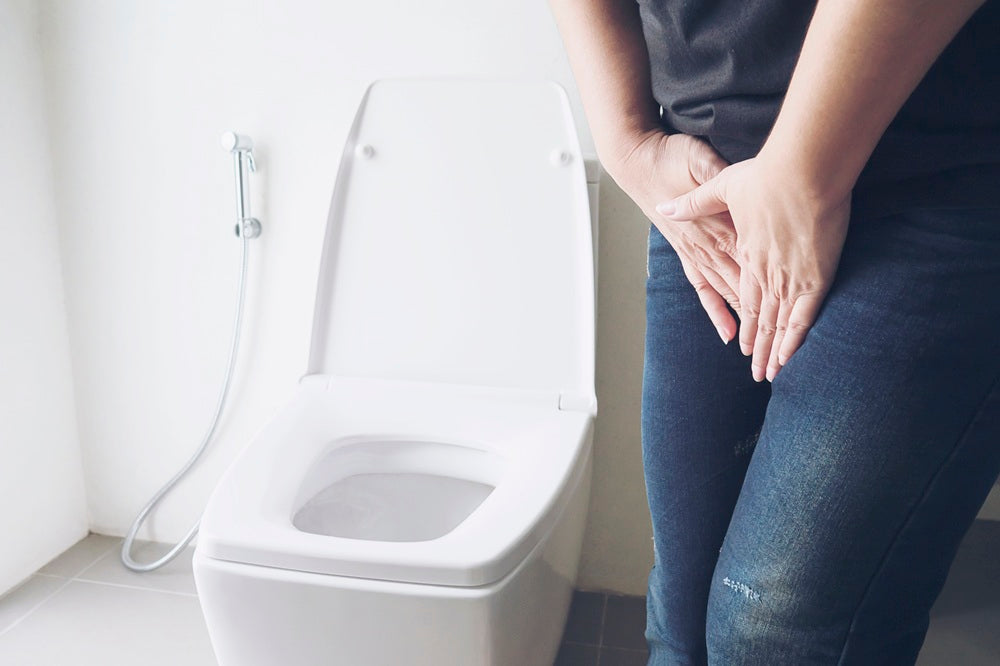
Your body sends signals when something is off. With urinary tract infections, those signals can range from impossible to ignore to surprisingly easy to dismiss as something else entirely. Catching them early matters because the longer an infection goes unaddressed, the more uncomfortable and disruptive it becomes.
TL;DR
- Most uncomplicated UTIs are treated with a short course of antibiotics lasting three to seven days.
- Symptoms often ease within the first day or two of treatment.
- Kidney infections or complex cases may need a longer course or IV antibiotics.
- Your provider may recommend a follow-up urinalysis, especially after severe or recurrent infections.
- Stay hydrated, aiming for pale yellow urine.
- Wipe front to back and use gentle, unscented cleansers.
- Urinate after sexual activity to help flush out bacteria.
- Wear breathable clothing, such as cotton underwear.
- Avoid douches, scented sprays, and heavily fragranced bath products.
- Support your health from within with good hydration, immune support, and balanced gut health.
The Classic Signs Most People Know

The symptoms that typically point to a UTI are hard to miss. According to the CDC, a bladder infection commonly produces pain or burning while urinating, frequent urination, and a persistent urge to go even when your bladder is empty. That urgent need followed by very little output is one of the more recognizable patterns.
You might also notice:
- Urine that looks cloudy, dark, or slightly pink-tinged
- A strong or unusual odor when you urinate
- Pressure or mild cramping in your lower abdomen or pelvic area
- A general feeling of discomfort that does not resolve on its own
These symptoms tend to come on quickly, sometimes within hours, and typically worsen without support.
The Less Obvious Symptoms Worth Knowing
Here is where UTIs can genuinely fool you. Not every infection announces itself with a textbook burning sensation. Some people, especially older adults, experience atypical or silent symptoms instead of, or alongside, the classic ones.
As clinicians at CCWH note, feeling tired, foggy, or just not like yourself could be more than stress or lack of sleep. Your body might be quietly fighting an infection. For adults over 60, non-specific signs like confusion, sudden behavioral shifts, or unexplained fatigue sometimes appear before any urinary discomfort does.
Less obvious signs to take seriously include:
- Mental fog or difficulty concentrating
- Sudden fatigue without a clear reason
- Low-grade fever or chills
- Nausea or a general sense of unwellness
- Confusion or mood shifts, particularly in older individuals
These are easy to chalk up to a poor night of sleep or a busy week. When they appear alongside even mild urinary changes, though, a UTI deserves to be on your radar.
Why Early Recognition Changes Your Response
Spotting a UTI early gives you more options. You have time to hydrate, assess whether you need medical attention, and explore supportive strategies before the infection progresses. Infections that reach the kidneys become significantly more serious. Recognizing both the textbook and the quieter signals puts you in a position to act sooner rather than later.
Understanding Why Women Are More Prone to UTIs
If you have wondered why UTIs affect women far more than men, the answer comes down to anatomy. It is not a lifestyle issue or a hygiene failure. According to the Mayo Clinic, women have a higher risk of getting UTIs than men, and that elevated risk is rooted in structural differences that have nothing to do with behavior.
The Role of Urethral Length
The urethra is the tube that carries urine out of the body. In women, it is significantly shorter than in men, giving bacteria a much easier path from the outside world to the bladder. In men, the longer urethra creates a natural barrier that slows or stops bacterial migration before it can reach the bladder. This single structural difference explains a large portion of the disparity.
Proximity to Bacteria-Rich Areas
Location compounds the risk further. The female urethra sits close to both the vaginal opening and the anus, meaning bacteria naturally present in the gastrointestinal tract, particularly Escherichia coli (E. coli), can travel to the urethra with relative ease. As the Mayo Clinic explains, UTIs occur when bacteria enter the urinary tract through the urethra and begin to spread in the bladder. This is an anatomical reality every woman lives with, regardless of how carefully she takes care of herself.
How Hormonal Changes Compound the Risk
Anatomy is the foundation, but hormones add another layer. Estrogen helps maintain the health of the urinary tract lining and the vaginal flora that keeps bacteria in check. As estrogen levels shift during perimenopause and menopause, that protective environment can become less resilient. Many women notice more frequent urinary discomfort during midlife for exactly this reason, even if earlier years were largely trouble-free.
Sexual Activity as an Additional Factor
Sexual activity can introduce bacteria into the urethra, which is why UTIs are sometimes more common in sexually active women. Pressure and movement during sex can push bacteria closer to the urethral opening, raising the chance of infection. Understanding these underlying factors shifts the conversation away from blame and toward proactive, informed support.
Potential Complications of Untreated UTIs

A UTI caught early is manageable. One left unaddressed can become something considerably more serious. Bacteria that start in the bladder do not stay there if given time to travel upward through your urinary tract.
From Bladder Infection to Kidney Infection
The most significant risk is kidney involvement. As clinicians at CCWH note, if a high fever develops or chills set in, the infection may have reached your kidneys, meaning urgent care is necessary. A kidney infection, known medically as pyelonephritis, is not simply a worse UTI. It is a separate and more serious condition that typically requires prescription antibiotic treatment, sometimes administered intravenously.
Warning signs that the infection has moved beyond the bladder include back pain near your lower ribs, fever, nausea, and chills. These are not symptoms to manage at home.
Why Delaying Care Raises the Stakes
The window between a mild bladder infection and a kidney infection can be narrow, particularly when early symptoms were subtle enough to overlook. Beyond kidney infections, recurring or poorly managed UTIs can contribute to other health concerns over time, including scarring of urinary tract tissue. In vulnerable individuals, infection entering the bloodstream, a condition called urosepsis, represents a medical emergency.
Older adults, people with compromised immune function, and those who are pregnant face a higher likelihood of rapid progression and serious outcomes. If you recognize early signals, acting on them promptly is the most important step you can take.
How UTIs Are Diagnosed and Treated
Getting an accurate diagnosis is the first step toward feeling better. When you visit a healthcare provider with UTI symptoms, they will typically start with a urinalysis. This urine test checks for white blood cells, red blood cells, and bacteria as key markers of infection. If the urinalysis suggests an infection, a urine culture may also be sent to the lab to identify the specific bacteria and confirm which antibiotic will work best. Results usually take one to three days.
How Diagnosis Works in Practice
The standard diagnostic process generally follows these steps:
- You describe your symptoms and provide a urine sample.
- A dipstick test gives an immediate read on inflammation and infection markers.
- If the dipstick is positive, a urine culture is sent for confirmation and bacterial identification.
- Your provider reviews results alongside your symptom history before recommending a treatment plan.
For straightforward, uncomplicated UTIs in otherwise healthy adults, many providers are comfortable starting treatment before culture results return, adjusting if needed once the culture confirms the bacteria involved.
Standard Treatment Options
Healthcare professionals often treat urinary tract infections with antibiotics. Completing the full prescribed course matters even if you start to feel better within a day or two. Stopping early can leave residual bacteria behind and contribute to a returning infection.
The specific antibiotic, dose, and duration your provider recommends will depend on:
- The type of bacteria identified in your culture
- Whether the infection is confined to the lower urinary tract or has spread further
- Your personal health history, including previous UTIs or antibiotic use
- Local antibiotic resistance patterns
Most uncomplicated lower urinary tract infections are treated with a short course lasting three to seven days. More complex cases, or infections that have reached the kidneys, may require a longer course or intravenous antibiotics.
What to Expect During Recovery
Symptoms often begin to ease within the first day or two of antibiotic treatment. Full resolution depends on how far the infection progressed before treatment began. Your provider may recommend a follow-up urinalysis after you complete your course, particularly if symptoms were severe or if you have a history of recurrent infections. Staying well-hydrated throughout supports your body's natural processes and can help ease discomfort as you recover.
Preventing UTIs: Tips and Best Practices
Small, consistent habits make the biggest difference when it comes to reducing your UTI risk. Prevention is not about overhauling your life. It is about a handful of daily choices that remove the conditions bacteria need to take hold.
Stay Well Hydrated Throughout the Day
Adequate fluid intake helps flush bacteria from your urinary tract before they have a chance to multiply. Aim to drink enough that your urine stays pale yellow. Dark urine or frequent thirst are signs your body is already falling behind.
Practice Smart Hygiene Habits
Wiping from front to back after using the bathroom reduces the chance of introducing rectal bacteria into the urethra. Gentle, unscented cleansers are better than heavily fragranced soaps in the genital area, which can disrupt your natural bacterial balance and leave the area more vulnerable.
Urinate After Sexual Activity
Urinating shortly after sexual activity helps flush out bacteria before they have a chance to travel further into the urinary tract. This is one of the most consistently recommended practices for women who experience recurrent infections.
Choose Breathable Clothing
Moisture and warmth create conditions bacteria thrive in. Cotton underwear and breathable fabrics help keep the area drier throughout the day. Tight synthetic clothing worn for extended periods can work against you, especially during warmer months or after workouts.
Reconsider Certain Products
Douches, scented sprays, and heavily fragranced bath products can interfere with the naturally protective bacterial environment of the vagina. When that balance is disrupted, infection risk increases. Simpler is better when it comes to intimate hygiene.
Support Your Body From Within
Nutrition and internal wellness play a supporting role that is easy to overlook. Staying hydrated, supporting a healthy immune system, and maintaining balanced gut health all contribute to your body's ability to keep opportunistic bacteria in check. An inside-out approach that combines clean daily habits with research-backed wellness support gives your body more of what it needs to function well every day.
These steps are not complicated. They are just consistent, and consistency is what makes them effective.
FAQs
This article is for informational purposes only and is not a substitute for professional medical advice, diagnosis, or treatment. Statements made on this website have not been evaluated by the U.S. Food and Drug Administration. Always consult a qualified healthcare professional before making changes to your diet, supplements, medications, or healthcare routine.
