

Resveratrol vs. Grape Seed Extract: The Benefits Comparison
Compare resveratrol vs grape seed extract, their benefits, key differences, and how to choose the right antioxidant supplement for your wellness goals.
 By WOWMD Staff

 Fact Checked
Advertiser Disclosure: WOWMD independently vets all recommended products. If you purchase a featured product, we may be compensated. Learn why you can trust us.


You have probably heard a lot about the health benefits of both grape seed extract and resveratrol. For instance, it's pretty much common knowledge that resveratrol is a polyphenol that helps protect your body from free radical cell damage.
And you may have heard that grape seed extract can help you lose weight. You may even know that both of these nutrients come from the same source: grapes, naturally. But you may be wondering, is grape seed extract the same as resveratrol? And which one is better for you overall?
The answers to these questions are a bit involved and take some careful consideration which is why we have composed the following article highlighting the unique aspects of the Resveratrol vs Grape Seed Extract debate.
If you have ever been curious about the benefits of these nutrients, you owe it to yourself to read the following article to the very end as we discuss the most important questions about resveratrol and grape seed extract.
TL;DR
- Resveratrol is a polyphenol that acts similar to an antioxidant in the body. It is derived from the skin of grapes.
- Grape seed extract is produced by pulverizing actual grape seeds and is rich in antioxidants and nutrients that can benefit blood pressure.
- These nutrients have a lot of common ground but can differ in their specific physical and mental benefits.
- For the most part, it would be a good idea to include both of these nutrients in your regular diet.
Grape Seed Vs Resveratrol: Benefits
Before we get too deep in the weeds, let’s start with a simple concept like the health benefits of both of these nutrients.
Grape Seed Extract Benefits:
- Blood Pressure - In a study cited by the National Center for Complementary and Integrative Health, it was found that grape seed extract significantly reduced diastolic blood pressure, making it a natural alternative for people with hypertension[1].
- Antidiabetic Effects - There have also been studies cited by the Mount Sinai staff that suggest that grape seed extract (GSE) can lower the risk of becoming diabetic or prediabetic.
- Prevents Free Radical Damage - Grape seed extract contains a lot of antioxidants. The main role of antioxidants is to neutralize free radical cells that can damage organs.
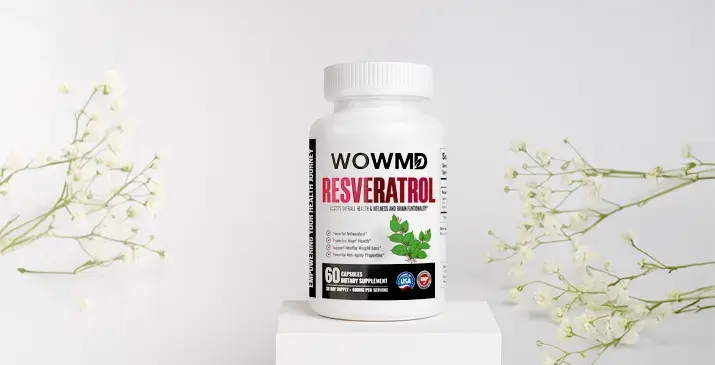
Unlock the secret to youthful aging with WOWMD Resveratrol – Shop Now.
Advertisement


Resveratrol Benefits:
- Prevents Cognitive Decline - The National Institutes of Health ran a study on the effects of resveratrol on the brain and found that it helps to boost cerebral blood flow which may stymie the progression of cognitive decline[2].
- Lowers Systolic Blood Pressure - While GSE appears to only benefit diastolic blood pressure levels, resveratrol has exhibited the ability to lower both diastolic and systolic blood pressure.
- Anti-Inflammatory Effects - Resveratrol may also benefit the health and comfort of your joints because it has been proven to have anti-inflammatory effects that can prevent joint swelling and pain.
In this video, our client shares the routine that's making waves! See how WOWMD Resveratrol is transforming her life with youthful skin, better energy, and overall wellness.
Does Grape Seed Extract Contain Resveratrol?
Many people have wondered is grape seed extract the same as resveratrol because they are both derived from grapes and have exhibited some similar health benefits. So people have naturally assumed that grape seed extract contains resveratrol. These people are correct.
The fact is that both nutrients are naturally derived from grapes, just different parts. But the seed of grapes still does contain a trace amount of resveratrol. It’s just that the skins have a higher abundance of this polyphenol.
Is Grape Seed Extract the Same as Resveratrol?
 Are Resveratrol and Grape Seed Extract Same?
Again, the main difference between resveratrol and grape seed extract is that they are harvested from different parts of the grape. Even though resveratrol and grape seed extract both come from grapes and exhibit strong antioxidant activity, they are not the same. They do not have the same general makeup and are used for different health purposes.
They come from different parts of the grape even though grape seed extract typically contains trace amounts of resveratrol.
Can I Take Grape Seed Extract and Resveratrol Together?
The short answer to this question is yes. Resveratrol and grape seed extract can be safely taken together as they are both natural parts of the grape. When combined, they may also be more beneficial at killing off dangerous cells in the body that can cause serious health issues.
It is also recommended that you combine grape seed extract and resveratrol to enhance the overall antioxidant functions of both ingredients. There have even been studies that confirm that using these two nutrients together can prevent various types of hyperplasia and reduce overall information as we read in the following quote taken from a National Institutes of Health study[3]:
"The authors found that simultaneous dietary supplementation with grape powder and topical treatment with resveratrol reduced DMBA-induced epidermal hyperplasia, proliferation, inflammation, and the hydroxylation of 2′-deoxyguanosine, suggesting impressive effects of combined topical and dietary treatments with grape-derived antioxidants against skin cancer."Dr. Joseph Mercola, DO, FACN, mentions, When taken together, resveratrol and grape seed extract offer enhanced protection against oxidative stress and may work synergistically to support heart health, cognitive function, and immune support. Their combined antioxidant power can be a strong ally in reducing inflammation and promoting overall wellness.
Comparison Table
| Feature | Resveratrol | Grape Seed Extract (GSE) |
|---|---|---|
| Primary Active Compounds | Stilbenoids (A single-molecule polyphenol) | Proanthocyanidins (OPCs) (Polymers of Catechin) |
| Source | Grape skins (especially red grapes), Japanese knotweed, and berries. | Seeds of Grapes (Vitis vinifera) |
| Main Health Focus | Longevity & Metabolic Support (SIRT1 Gene Activation, Anti-aging, Blood Sugar/Lipid Balance). | Vascular Health (Blood Pressure, Circulation, Vein Health) and Collagen Support (Skin, Connective Tissue). |
| Antioxidant Potency | High (A potent free-radical scavenger) | Very High (Due to high concentration of OPCs) |
| Bioavailability (Absorption) | Low (Rapidly metabolized in the liver/gut, requires high dose or special formulation for efficacy). | Moderate to High |
| Typical Dosage Range | 150–500 mg per day (Often as trans-Resveratrol) | 100–300 mg per day (Standardized to 85%–95% OPCs) |
| Synergy (Can I Take Together?) | Yes, highly complementary. | Yes, highly complementary. |
Resveratrol Vs Grape Seed Extract: Which is Better?
 Which Better: Resveratrol and Grape Seed Extract
The good news is that grape seed extract is no better than resveratrol and vice versa. So if you are taking both, you are ahead of the game. Just bear in mind that the health benefits can differ a bit.
So the question of which one is better for you will depend largely on what you need them for. For example, grape seed extract has been linked to increased fat metabolism which means it may have a moderately beneficial effect on weight loss.[4]
On the other hand, people who need to lower their systolic blood pressure would be better off taking resveratrol. So it all depends on your individual health needs, body composition, wellness goals, and concerns.
Read More: Resveratrol and Weight Loss
Did You Know?
- Resveratrol is sourced from the skin of grapes and is known for activating "longevity genes" called sirtuins.
- Grape Seed Extract (GSE) is rich in proanthocyanidins and is generally considered superior for boosting overall antioxidant capacity.
- GSE has demonstrated significant effects in clinical studies for helping to lower high blood pressure and improving blood flow.
- Resveratrol's health benefits, including heart and anti-aging effects, are limited by its very low bioavailability in the human body.
Advertisement


Grape Seed Extract vs Resveratrol: Potential Side Effects
It should be noted that while side effects caused by GSE and resveratrol tend to be minor and few and far between, they are still possible. Let’s take a look at some of the potential side effects of each:
Resveratrol Side Effects:
- Gastrointestinal distress that can include diarrhea and vomiting
- Resveratrol may also exacerbate the effects of blood thinners and cause excessive bleeding
- Resveratrol may also cause allergic reactions like hives, swelling, or trouble breathing
Grape Seed Extract Side Effects:
- GSE may cause minor skin irritation in the form of itching or rashes
- Grape seed extract, like resveratrol, may also interact with blood thinners
- Headache, fatigue, and dizziness have also been reported in rare instances with GSE
User Testimonial on Resveratrol
- “Definitely seeing fewer wrinkles and my skin looks brighter.” —Natalie W., Verified Reviewer ★★★★★
- “I take these resveratrol capsules for heart health. They seem to be good quality and I feel a difference.” —Martin P., Verified Reviewer ★★★★★
- “Tried Resveratrol, and I’m impressed! It’s been helping with my skin and energy. I feel like my body’s just doing better in general. No complaints here”—Jennifer W., Verified Reviewer ★★★★★
Advertisement


Resveratrol and Grape Seed Extract Checklist for Buyers
- Choose standardized extracts (≥95% purity for grape seed, ≥50% trans-resveratrol).
- Verify third-party testing for contaminants and potency.
- Prefer capsules over powders for better stability.
- Check for combined formulas — may enhance antioxidant synergy.
- Avoid products with unnecessary fillers or artificial colorants.
- Confirm country of origin and GMP-certified manufacturing.
- Consult a healthcare provider if on anticoagulants or hormonal meds.
- Store in a cool, dark place to prevent oxidation.
Final Thoughts
It’s clear that resveratrol and grape seed extract both have their place in human health. They both provide antioxidant defense and they can both help improve blood pressure. Grape seed extract and resveratrol can also be taken in tandem.
They have their own unique benefits as well so the best option for some people may be to take them both together. In any case, it would be best to talk to your healthcare practitioner about the best way to use these nutrients.
You can also take a look at some high-quality supplements that contain both GSE and resveratrol to take the guesswork out of dosages.
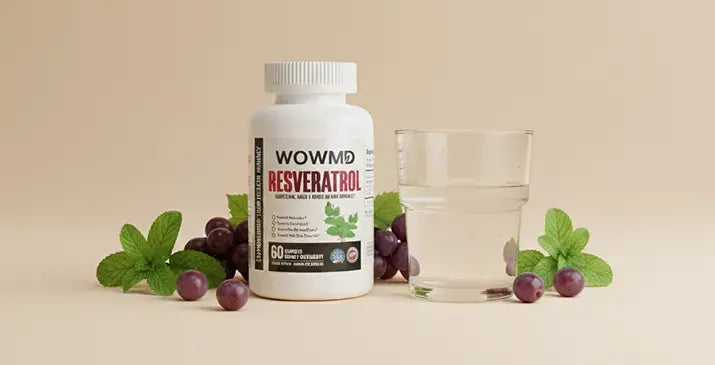
Ready to feel the difference a premium supplement makes? Choose wowmd Resveratrol – Get Yours.
You Can Also Read-
FAQs
This article is for informational purposes only and is not a substitute for professional medical advice, diagnosis, or treatment. Statements made on this website have not been evaluated by the U.S. Food and Drug Administration. Always consult a qualified healthcare professional before making changes to your diet, supplements, medications, or healthcare routine.
Our Top Picks


Beetroot Balance

References
WOWMD follows strict sourcing guidelines to ensure the accuracy of its content, outlined in our editorial policy. We use only trustworthy sources, including peer-reviewed studies, qualified experts, and information from top institutions.


- Grape Seed Extract: https://www.nccih.nih.gov/health/grape-seed-extract
- Resveratrol and cognitive decline: a clinician perspective: https://pmc.ncbi.nlm.nih.gov/articles/PMC6657254/
- Resveratrol, in its natural combination in whole grape, for health promotion and disease management: https://pmc.ncbi.nlm.nih.gov/articles/PMC4553113/
- Grape seed extract (Vitis vinifera) partially reverses high fat diet-induced obesity in C57BL/6J mice: https://pmc.ncbi.nlm.nih.gov/articles/PMC2788190/