

Liver Detox Tea: A Comprehensive Guide to Choosing the Best Option
A Practical Guide to Liver Detox Tea, Ingredients, and Safety
 By WOWMD Staff

 Fact Checked
Advertiser Disclosure: WOWMD independently vets all recommended products. If you purchase a featured product, we may be compensated. Learn why you can trust us.

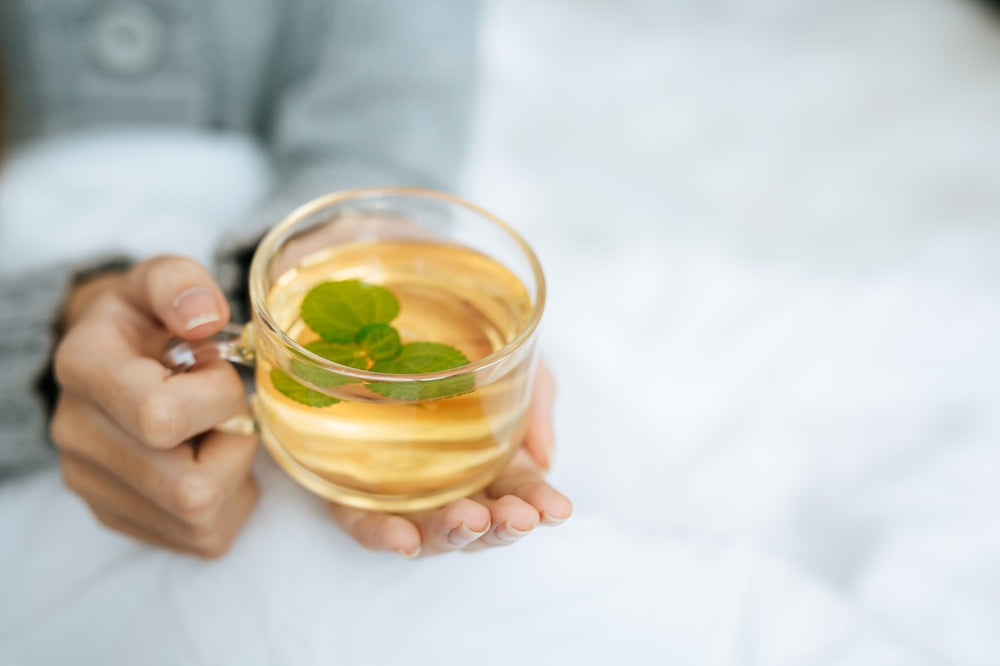
Your liver quietly handles hundreds of functions every day, filtering waste, metabolizing nutrients, regulating hormones, and keeping your body in balance. Modern life places real demands on those processes, from processed foods and environmental pollutants to alcohol and chronic stress. When you start wondering whether your liver could use some support, liver detox teas are often the first thing that comes to mind.
The category is crowded, though. Ingredient lists range from well-studied botanicals to vague proprietary blends that tell you almost nothing. Some teas are built around herbs with a meaningful research record, while others are essentially laxative formulas dressed up in liver language. That is not a reason to avoid liver support teas altogether. It is a reason to go in with clear criteria, and this guide covers the benefits, the risks, the ingredients worth knowing, and how to choose a tea that fits your routine.
This article is for informational purposes only and is not a substitute for professional medical advice. Speak with your healthcare provider before starting any herbal tea or supplement, especially if you have a liver condition, are pregnant or breastfeeding, or take prescription medication.
TL;DR
- Liver detox teas usually combine herbs such as milk thistle, dandelion root, artichoke leaf, turmeric, and ginger.
- Research on these herbs is promising in places but limited or mixed overall, so no tea should be treated as a liver treatment.
- Herbal products are not automatically safe, and liver injury linked to herbal and dietary supplements has been documented.
- Some detox teas contain laxative herbs like senna, which are meant for short-term use only.
- Several common tea herbs can interact with medications, including blood thinners, diabetes medications, and water pills.
- The best choice is a transparent formula with disclosed ingredients, quality testing, and a format you will actually use consistently.
What Should You Decide Before Buying a Liver Detox Tea?
Before comparing labels, it helps to get clear on what you actually want from a tea. Three questions narrow the field quickly.
- What outcome do you want? General daily wellness support, a comforting post-meal ritual, or something more targeted?
- Do you have health conditions or take medications that could interact with herbs like milk thistle, dandelion root, or senna?
- Do you want a standalone ritual or a complement to supplements already in your routine?
Your answers shape which ingredients matter and which marketing claims to ignore. The sections below break down the benefits, the real risks, the ingredients worth your attention, and what separates a well-formulated tea from a well-packaged one.
Advertisement

 *All individuals are unique. Your results can and will vary.
What Are the Benefits and Risks of Liver Detox Teas?
The appeal is simple: drink a warm, herb-rich cup each day and support your body’s natural filtration system. Some botanical ingredients in these teas have genuine research behind them, but the category also carries real risks that deserve honest attention before you brew your first cup.
Potential Benefits Worth Knowing
Several herbs commonly used in liver detox teas have been studied for their effects on the liver and digestion.
- Milk thistle contains silymarin, a group of compounds that has been widely studied in relation to liver health.
- Dandelion root has traditionally been used for indigestion.
- Artichoke leaf is traditionally taken to stimulate the flow of bile from the liver.
- Ginger and turmeric contribute antioxidant compounds and have long been used for digestive comfort.
It is important to keep expectations realistic. The NCCIH reports that clinical trials of milk thistle for liver diseases have been conflicting or too limited to allow firm conclusions, and the NCCIH states there is no compelling scientific evidence supporting dandelion for any health condition. At best, these herbs may support the liver’s natural processes as part of a healthy lifestyle.† No tea substitutes for medical care when the liver is genuinely compromised.
Risks That Deserve Honest Attention
Not all liver detox products are formulated with the same care, and some carry serious safety concerns. A published case report described acute fulminant liver failure in a 60-year-old woman who drank a liver detoxification tea three times a day for 14 days. She presented with weakness, lethargy, jaundice, and worsening mental status.
That case is not isolated. Research from the US Drug-Induced Liver Injury Network, reported by Wiley, found that liver injury from herbal and dietary supplements rose from 7% to 20% of cases in its study group over a 10-year period. Herbal products are not automatically safe simply because they are natural.
Other risks to be aware of include:
- Herb-drug interactions: The NCCIH notes there are theoretical reasons to suspect dandelion might interact with diabetes medications, blood thinners, and water pills.
- Inconsistent dosing: The NCCIH warns that some milk thistle supplements contain amounts of silymarin substantially different from what is stated on the label, and some have been found to be contaminated.
- Concentrated extracts: The NCCIH warns that highly bioavailable curcumin formulations may harm the liver.
- Laxative herbs: Some detox teas include senna. MedlinePlus advises not taking senna for more than one week without talking to your doctor, and warns that frequent or continued use may make you dependent on laxatives.
Quality and transparency matter enormously here. According to the FDA, supplement companies are responsible for evaluating the safety and labeling of their products before they go to market. That makes it worth choosing products made in a GMP-certified facility, with clearly disclosed ingredients and independent quality testing.
†These statements have not been evaluated by the Food and Drug Administration. These products are not intended to diagnose, treat, cure, or prevent any disease.
Which Ingredients Should You Look For in a Liver Detox Tea?
Reading the label on a liver detox tea can feel like decoding a botanical glossary. Some herbs have decades of research behind them, while others are added mainly for flavor or tradition. Knowing the difference helps you choose a formula with substance, not just an earthy taste.
Milk Thistle
Milk thistle is the most widely studied herb in this category. Its main constituent, silymarin, is a mixture of compounds that has been researched for its role in liver health, although the NCCIH notes that results so far have been mixed. The NCCIH also reports that milk thistle appears to be well tolerated, with bloating, nausea, and gas being the most common side effects. If you see milk thistle on a label, look for standardized silymarin content, since standardization is what makes a dose meaningful.
ALSO READ: Milk Thistle Dosage Guide
Dandelion Root
Dandelion root has a long history in traditional herbal medicine as a bitter tonic. The NCCIH notes that oral dandelion products are promoted for indigestion and that lab studies have explored its antioxidant and anti-inflammatory properties, but human research is limited. You will often find it in both tea bags and capsule formulas, frequently paired with milk thistle.
Artichoke Leaf
Artichoke leaf contains compounds such as cynarin and chlorogenic acid. According to RxList, artichoke is traditionally taken to stimulate the flow of bile from the liver, and a specific leaf extract may modestly reduce total and LDL cholesterol after 6 to 12 weeks. RxList also cautions that artichoke might worsen gallstones or bile duct obstruction by increasing bile flow. It has a mildly bitter flavor you will notice in teas that include it.
Turmeric
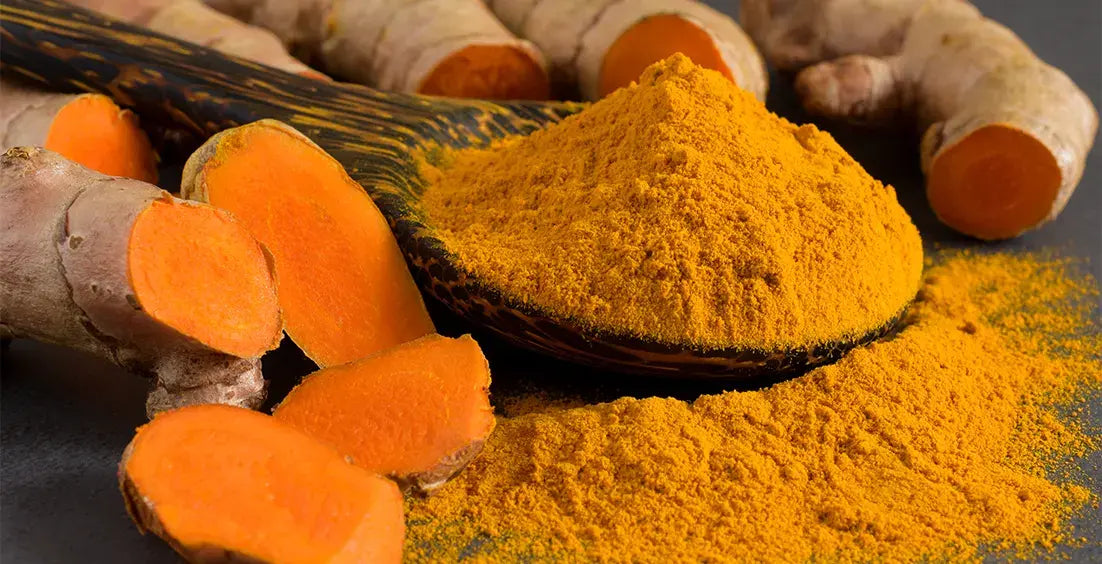
Turmeric brings curcumin to the blend, a compound that gives the spice its yellow color and has well-documented antioxidant properties. The NCCIH notes that combining curcumin with piperine from black pepper is one way to improve its absorption. The same NCCIH fact sheet warns that highly bioavailable curcumin products have been linked to liver damage in some people, so more absorption is not automatically better.
ALSO READ: Turmeric vs. Curcumin: Which Is Better for Inflammation?
Ginger Root
Ginger has traditionally been used for indigestion and gastrointestinal discomfort, and it also makes a tea more pleasant to drink, which matters for daily consistency. The NCCIH notes that oral ginger can cause abdominal discomfort, heartburn, or diarrhea in some people.
Ingredients at a Glance
|
Ingredient |
Traditional or Studied Use |
What to Watch For |
|
Milk thistle |
Liver health (research mixed) |
Label accuracy, digestive side effects, plant allergies |
|
Dandelion root |
Indigestion, bitter tonic |
Possible interactions with diabetes drugs, blood thinners, water pills |
|
Artichoke leaf |
Bile flow, cholesterol support |
Gallstones, bile duct obstruction, plant allergies |
|
Turmeric |
Antioxidant support |
Highly bioavailable forms linked to liver injury |
|
Ginger root |
Digestive comfort |
Heartburn, abdominal discomfort |
|
Senna |
Short-term constipation relief |
Not for more than one week without a doctor; dependency risk |
|
Licorice root |
Flavor, traditional use |
Unsuitable for high blood pressure, heart or kidney conditions |
A quality liver detox tea will typically feature two or more of the well-studied ingredients at disclosed amounts, not as unnamed components buried in a proprietary blend.
Advertisement

 *All individuals are unique. Your results can and will vary.
How Do Liver Detox Tea Formats Compare?
Liver support herbs come in several formats, and each has its own trade-offs. The right one depends on your routine, how much control you want over strength, and how consistently you will use it.
|
Format |
Strengths |
Trade-offs |
Best For |
|
Bagged tea |
Convenient, easy to portion, widely available |
Lower concentration of active compounds |
Busy schedules and a simple daily ritual |
|
Loose-leaf tea |
Fresher brew, adjustable strength |
Takes more preparation |
People who enjoy the ritual of brewing |
|
Capsules |
Consistent, measurable doses, no preparation |
No warm-drink ritual |
People who want convenience and precise amounts |
What the Comparison Reveals
Bagged teas suit people who value convenience, while loose-leaf blends offer more control over brew strength. Capsule-form supplements can make it easier to take consistent, clearly measured amounts. Whichever format you choose, the same expectation applies: any benefit comes from consistent use over weeks, not days. Individual results may vary.
†These statements have not been evaluated by the Food and Drug Administration. These products are not intended to diagnose, treat, cure, or prevent any disease.
How Do You Choose the Right Liver Detox Tea?
The decision comes down to your situation: your health goals, your sensitivities, and how you want a liver tea to fit into daily life. There is no single best option, only the right fit for you.
Match the Formula to Your Primary Goal
Start with what matters most to you. If general liver wellness is your priority, look for a formula centered on milk thistle, standardized for silymarin content, or artichoke leaf. If bloating and sluggish digestion are bigger concerns, dandelion root and ginger are more relevant. For a gentle daily ritual rather than an intensive herbal routine, lower-concentration blends brewed as loose-leaf tea tend to suit that pace well.
Account for Sensitivities and Health Conditions
Some common liver tea herbs interact with medications or are not appropriate for everyone.
- Dandelion may interact with diabetes medications, blood thinners, and water pills, according to the NCCIH.
- Licorice root, used in some blends, contains glycyrrhizin. The NCCIH reports that even small amounts have been linked to severe adverse effects in people with high blood pressure, heart or kidney conditions, or a high salt intake.
- Milk thistle and artichoke can cause allergic reactions in people sensitive to related plants such as ragweed and daisies.
If you are pregnant, breastfeeding, or managing a chronic condition, check with your healthcare provider before starting any herbal tea. It is also worth reviewing labels for allergens, caffeine content, and artificial additives.
Consider Format and Consistency
A liver tea you actually enjoy drinking is far more useful than one sitting unopened in a cabinet. Loose-leaf blends offer flexibility in brew strength, tea bags suit busy schedules, and some people find capsule-form liver support supplements easier to use consistently than preparing a daily brew. Liver support herbs work gradually, so the format that fits your routine is the one you will keep up with.
Prioritize Quality Standards
Whatever you choose, look for products that are transparent about sourcing, list standardized extract levels where relevant, and share quality testing results. Before you buy, confirm the ingredients are clearly disclosed, the product is free of artificial additives, and it is made in a certified GMP facility.
Advertisement

 *All individuals are unique. Your results can and will vary.
Final Thoughts
Liver detox teas can be a reasonable addition to a wellness routine when you approach them with clear expectations. Herbs like milk thistle, dandelion root, and artichoke leaf have a long history of use and an evolving body of research, but the evidence is still limited, and no tea replaces good nutrition, adequate hydration, regular movement, and limited alcohol. Your liver does its best work when your whole lifestyle supports it.
Use these checkpoints when shopping:
- Choose teas that list specific herbs and their amounts, not vague proprietary blends.
- Favor brands that test for purity and potency, since herbal quality varies significantly by source and processing.
- Be cautious with products that make bold detox claims without the ingredient transparency to back them up.
- Avoid using laxative-based detox teas for more than a short period.
- Talk with your healthcare provider before adding a herbal tea if you take prescription medication or have a diagnosed liver condition.
Herbal teas work gradually. Over weeks of consistent use, some people notice smoother digestion and a greater sense of overall wellbeing. If you notice warning signs such as unusual fatigue, nausea, dark urine, or yellowing of the skin or eyes, stop the product and contact your healthcare provider right away.
FAQs
This article is for informational purposes only and is not a substitute for professional medical advice, diagnosis, or treatment. Statements made on this website have not been evaluated by the U.S. Food and Drug Administration. Always consult a qualified healthcare professional before making changes to your diet, supplements, medications, or healthcare routine.