


How to Choose the Best Kids Multivitamin: Top 5 Tips
Find out the top 5 tips for choosing the best multivitamin for kids. Learn what to look for to ensure their healthy development.
 By WOWMD Staff

 Fact Checked
Advertiser Disclosure: WOWMD independently vets all recommended products. If you purchase a featured product, we may be compensated. Learn why you can trust us.
Table of contents


For kids to grow healthy and strong, they need a well-balanced diet. However, due to various reasons, it is sometimes not possible for kids to get all the essential nutrients their body needs from diet alone.
To achieve the daily recommended nutrient value, parents turn to vitamins for kids to bridge the nutrient deficiency gap. Vitamins are crucial for the growth and development of kids. They help their bodies to stay healthy and function properly, boost their immune system, and keep sickness at bay.
Now, the question remains: what multivitamins are the best for kids? In this article, we are going to look into the various vitamins, what to look for their potential health benefits, safety, and much more. Interested? Read on to learn more.
TL;DR: Quick Guide to Buying Multivitamins for Kids
- Pick multivitamins with vitamins A, C, D, E, K, zinc, and calcium
- Avoid added sugar, artificial flavors, and food dyes
- Choose age-appropriate dosing
- Read the ingredient label and consider the brands
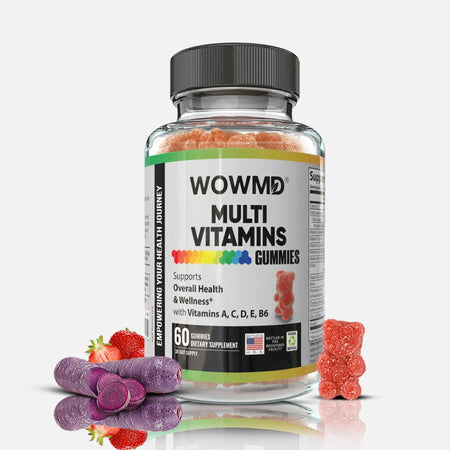
- Gummies are easier for kids and check the sugar level
Do Kids Really Need Multivitamins?
Children may be picky when it comes to feeding. They develop a liking for specific foods and would rather not eat others. This feeding habit may lead to missing out on some essential nutrients.
So, do kids really need multivitamins? The answer is most likely yes. Supplementation with multivitamins is one of the best strategies for ensuring that kids get the optimal nutrients their bodies need to support their growth and development.
Children are different with unique health needs. So, while your kid may need a multivitamin supplementation, it is important to select one that is tailored to your kid’s specific health needs. Always be sure to consult your medical professional before starting a new supplement or medication.
Advertisement


What to Look for When Buying Children's Multivitamins
When choosing a multivitamin for your kid, there are a number of things you need to look out for:
1. Nutrient Content: Essential Vitamins and Minerals
Nutrient content is a crucial aspect to consider when selecting a multivitamin for your child(ren). Choose a multivitamin that contains a balance of vitamins and minerals. For instance, look for a multivitamin brand containing vitamins like A, C, D, E, and K and minerals like iron, folic acid, and calcium.
This video presentation explores the fundamental differences between vitamins and minerals.
2. Quality and Form of Ingredients
Ensure that the product is free of harmful substances like preservatives, artificial colors, and sweeteners. Go for a product containing high-quality ingredients, preferably from natural sources like vegetables and fruits.
3. Sugar Content and Additives
In this case, go for a brand that offers multivitamins with natural sweeteners and flavorings. Avoid those with artificial additives or ingredients.
4. Appropriate Dosage and Safety
There is no one-size-fits-all multivitamin dosage for children. They all vary depending on the kid’s age and weight. Before you give your kid a multivitamin, check the package label for dosage information and instructions. Most labels have dosage recommendations based on the kid’s age and weight.
5. Brand Reputation and Transparency
Reputable brands are known for their transparency and for producing high-quality products. Their products undergo vetting in certified bodies like NSF or USDA Organic.
A multivitamin with such certification indicates that it has been tested in an independent facility and its quality verified.
Dr. David Katz, Founder of the Yale-Griffin Prevention Research Center:
Vitamins are not a substitute for a healthy, balanced diet. However, multivitamins can be an important addition, especially for children who may not be getting the right nutrients from their food. The key is to find high-quality multivitamins with ingredients that match the child's age and developmental needs.
Potential Benefits of Multivitamins for Kids
There are a number of benefits of multivitamins for kids. We have discussed most of these benefits below:
- Aid in iron absorption: Multivitamins contain ingredients like vitamin C that aid in iron absorption. According to a publication in the Annals of the New York Academy of Sciences, vitamin C was found to keep iron soluble in the stomach, thus aiding in its absorption.
- Supports healthy skin and vision: Multivitamins can also support healthy skin and vision thanks to ingredients like vitamin A. In one research study, vitamin A was found to be essential for various aspects of health, including vision, cell development, and metabolism.
- Support growth and immune function: Multivitamins are packed with zinc and vitamins like A and C, known for their ability to support growth and immune function. A research study published in the Fact Sheet for Health Professionals notes that consuming enough amounts of certain minerals and vitamins, like vitamins A, C, D, E, and minerals like zinc, can boost immune function.
- Boost metabolism and support brain function: Multivitamins are packed with ingredients like B1 and B12 are critical for healthy brain function and metabolism, respectively.
- Support healthy bones and teeth: Multivitamins are also packed with ingredients like calcium and vitamin D essential when it comes to the development and maintenance of strong and healthy bones and teeth. According to a publication in Nutrients, vitamin D has been shown to play a crucial role in tooth and bone mineralization.
- Support general growth and development: Multivitamins contain multiple ingredients that work in synergy to promote the body’s overall growth and development. According to the Journal of Yeungman Medical Sciences, vitamins play a crucial role in supporting children and adolescents’ growth and development.
Advertisement


You can also read:
Conclusion
Choosing the right multivitamin for kids can be a real hassle, especially since not all products offer the same quality or nutritional value. That is, a product must meet certain important criteria to earn a position on the best list.
So, which vitamins are actually beneficial for kids? As mentioned earlier, children have unique nutritional needs that can vary based on their age, diet, and lifestyle, so there's no one-size-fits-all solution.
To know what multivitamin is best for your kid, you first need to discuss it with a healthcare professional so that together you can decide on what vitamins to give to your child.
Advertisement


FAQs
This article is for informational purposes only and is not a substitute for professional medical advice, diagnosis, or treatment. Statements made on this website have not been evaluated by the U.S. Food and Drug Administration. Always consult a qualified healthcare professional before making changes to your diet, supplements, medications, or healthcare routine.
Our Top Picks


References
WOWMD follows strict sourcing guidelines to ensure the accuracy of its content, outlined in our editorial policy. We use only trustworthy sources, including peer-reviewed studies, qualified experts, and information from top institutions.


- Interaction of vitamin C and iron https://pubmed.ncbi.nlm.nih.gov/6940487/
- Vitamin A Deficiency https://www.ncbi.nlm.nih.gov/books/NBK567744/
- Dietary Supplements for Immune Function and Infectious Diseases https://ods.od.nih.gov/factsheets/ImmuneFunction-HealthProfessional/
- Vitamin D Deficiency and Oral Health: A Comprehensive Review https://pmc.ncbi.nlm.nih.gov/articles/PMC7285165/
- Essential micronutrients in children and adolescents with a focus on growth and development: a narrative review https://pmc.ncbi.nlm.nih.gov/articles/PMC12005697/
- Nutrition and Functional Neurochemistry https://www.ncbi.nlm.nih.gov/books/NBK28242/
- Chapter 12 Infant and Young Child Growth https://www.ncbi.nlm.nih.gov/books/NBK361899/