

How to Take Turmeric: Maximum Absorption, Dosage & Timing
A complete guide on how to take turmeric effectively, featuring proven methods, absorption hacks, ideal dosages, and daily timing tips.
 By WOWMD Staff

 Fact Checked
Advertiser Disclosure: WOWMD independently vets all recommended products. If you purchase a featured product, we may be compensated. Learn why you can trust us.
Table of contents
- Introduction to Turmeric
- Clinical Research Insight
- What's Turmeric?
- Health Benefits of Turmeric
- Effective Ways to Take Turmeric
- What Form of Turmeric Should you Take?
- Is It Okay To Eat Raw Turmeric?
- Turmeric Dosage
- Best Time to Take Turmeric
- Should You Take Turmeric with Food?
- How Can You Choose?
- Side Effects of Turmeric Use
- Can You Take Turmeric With Other Medications?
- Who Should Not Take Turmeric?
- Conclusion
- FAQs

Struggling with inflammation, poor digestion, or low immunity? For centuries, turmeric has been used in Ayurveda and Chinese medicine
Also known as the ‘Queen of spices’ because of its rich yellow color, this spice, which is enormously used in Indian cooking, is now being pulled for some medical benefits. The secret of turmeric is Curcumin, which is the chief compound in the spice.
Curcumin, an active compound found in turmeric, has been associated with several health-beneficial properties such as anti-inflammatory and antioxidant.
Scientific studies imply that curcumin might assist in the regulation of the immune system and digestion, and it also helps increase the body’s antioxidant levels.
TL;DR: Quick Insights on Turmeric Use
- Best forms: tea, golden milk, smoothies, capsules, or topical use.
- Absorption hack: always pair with black pepper (piperine).
- Dosage: 500–2,000 mg curcumin daily (consult your provider).
- Timing: before/after meals with healthy fats for better uptake.
Clinical Research Insight
A 2017 study published in Pharmacological Research emphasizes curcumin’s potential role in promoting overall wellness, especially in terms of reducing inflammation and providing antioxidant support.
For those asking, "Is turmeric good for inflammation?" research consistently points to curcumin’s effectiveness in supporting healthy inflammatory responses.
What's Turmeric?
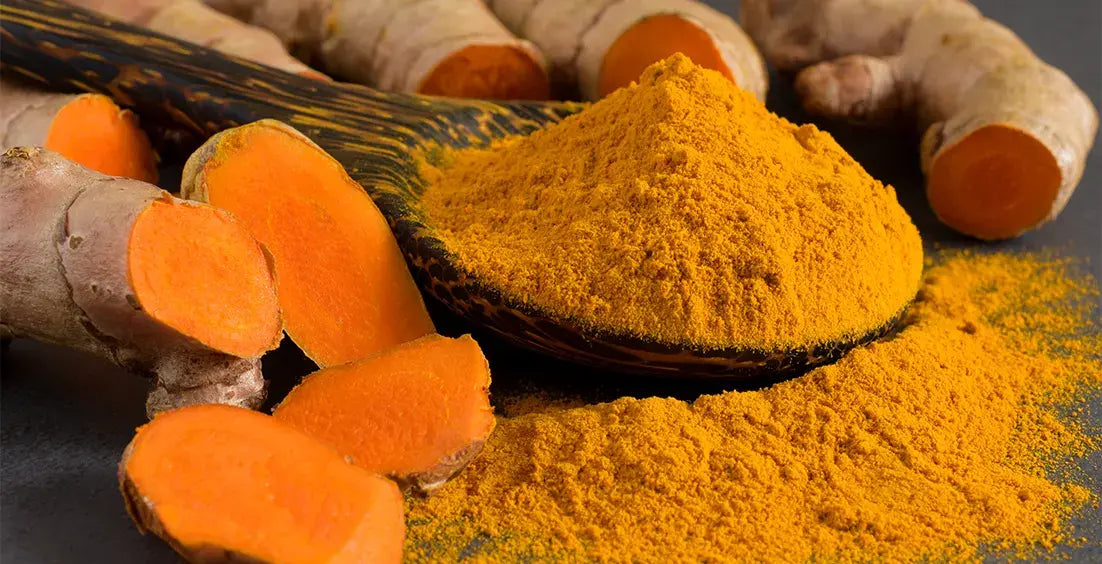
Turmeric is a vibrant orange-yellow spice which has been known to man since time immemorial. It is derived from the root of turmeric and it falls under the same species as ginger. Its origin can be traced back to the Southern parts of India and Indonesia where its use dates back almost 4,000 years ago.
Over most of its existence, the turmeric root has played an essential role in herbal medicine, particularly in the region of South Asia. It was commonly found in Ayurvedic medicine and was used in cases of fatigue and overall wellness.
The vibrant coloring agent that makes turmeric the way it is are the naturally occurring chemical compounds known as curcuminoids or curcumin. So potent are these coloring agents that they have been used as colorants in foods and cosmetics all over the globe.
The turmeric spice is very common all over the world; from Indian curry to Japanese tea, from Chinese foods to American mustard, butters and cheeses.
It might also be referred to as Indian saffron or the turmeric root.
Advertisement

 *All individuals are unique. Your results can and will vary.
Top Health Benefits of Turmeric
Supporting Immune Health
Curcumin, which is the active component in turmeric, is popularly used for boosting a healthy immune response. This is particularly owed to curcumin, which is a bioactive flavonoid found traded in turmeric for its antioxidative impact.
Studies published in Advances in Experimental Medicine and Biotechnology information suggest that curcumin dosage can positively influence immune responses, making it a useful addition to your health routine.
Promoting Digestive Health
Turmeric is known for its potential benefits to digestive health, as it may help balance the gut microbiome and alleviate digestive discomfort. Curcumin, the active compound in turmeric, possesses anti-inflammatory and antioxidant properties that can contribute to improved gut health.
Curcumin has been shown to help improve digestive health by supporting a balanced gut microbiome, says Dr. Josh Axe, a nutrition expert.
Potential Antioxidant Effects
Curcumin in turmeric is packed with antioxidants, which can protect cells from damage caused by free radicals. Antioxidants are crucial for maintaining overall health, supporting skin vitality, and reducing the impact of environmental stressors.
Did you know?
Curcumin’s absorption increases by up to 2000% when paired with piperine from black pepper.
Read More: Health Benefits of Turmeric and Ginger
6 Effective Ways to Take Turmeric for Optimum Health
1. Turmeric Tea
This soothing drink offers a simple method to incorporate turmeric daily dose into your daily routine, known for its anti-inflammatory and antioxidant properties.
Add a teaspoon of turmeric toin water or milk and heat it up for 10 minutes. Then strain and add a sweetener to taste.
A pinch of black pepper can also be added as it assists your body to absorb curcumin- the healthy component of turmeric. Regular consumption may support immune health and improve digestion.
2. Golden Milk
Golden milk is an old drink that originated in Ayurvedic practices, and it is made by adding turmeric daily to warm milk, soaked in either vegan or cow milk, and a pinch of black pepper. The Curcumin content has the benefits of reducing inflammation and acting as an antioxidant.
It also helps to improve the absorption of curcumin dosage, thus making the drink more effective if black pepper is included. This warm drink is particularly considered to help individuals relax, and enhance their immune system and general well-being.
3. Turmeric Smoothies
If you’re a smoothie lover, adding a teaspoon of turmeric daily dose to your daily blend is a great way to boost your nutrient intake without changing your routine. Combine it with fruits, leafy greens, and a dash of black pepper for better absorption.
4. Turmeric with Black Pepper
Pairing a turmeric daily dose with black pepper is essential for boosting curcumin absorption. Piperine, found in black pepper, can enhance curcumin’s bioavailability by up to 2000%, making it much more effective.
A study in Biomolecules found that piperine can significantly increase the absorption of curcumin, ensuring your body reaps the full benefits of turmeric.
5. Turmeric Capsules
A steady amount of turmeric can be easily achieved with capsules on a daily basis. Absorption is significantly increased by high-quality turmeric supplements that contain added piperine (black pepper extract).
Supplements contain concentrated turmeric extract unlike turmeric powder in food, which has low curcumin and is not well absorbed. Enhanced formulations including formulations with fat compounds or nanotechnology enhance absorption by up to 20 times.
6. Topical Turmeric
Topical turmeric is not limited to golden milk alone, it can also be beneficial to your skin! It has anti-inflammatory and antimicrobial effects, which could assist in treating diseases such as eczema, acne, and psoriasis as well as aiding in the healing of wounds.
Turmeric is also full of antioxidants, which can help prevent environmental stress and free radical damage associated with aging.
What Form of Turmeric Should you Take?
There are several ways to incorporate turmeric into your diet. These work in different ways, so you need to decide which one will be the most appropriate for you.
Turmeric for Skin
You may use turmeric externally, on your skin. It will not be absorbed by the body through this method of administration. It is mostly used to treat acne, eczema, psoriasis and skin aging issues. The drawback is that the substance may leave yellow stains on your skin. It would be easier to use skincare products containing turmeric extract.
Turmeric in Foods and Beverages
Turmeric powder is consumed in curries, soups, and drinks like the golden turmeric milk latte. Even though this is a delightful way of consuming turmeric, the body can only absorb a small quantity of turmeric when it is taken in foods. Every teaspoon of turmeric powder contains very little curcumin, which is one of the key ingredients of turmeric.
Turmeric Curcumin Supplements
Turmeric curcumin supplements are the most efficient types of supplements for most individuals. Turmeric curcumin supplements are offered in capsules, tablets, and even gummy forms.
There are some highly absorbable turmeric curcumin supplements that are meant to boost your capability of absorbing the active ingredients contained in the supplements. Some of the supplements use fats that enhance absorption more than turmeric powder does.
Advertisement

 *All individuals are unique. Your results can and will vary.
Is It Okay To Eat Raw Turmeric?
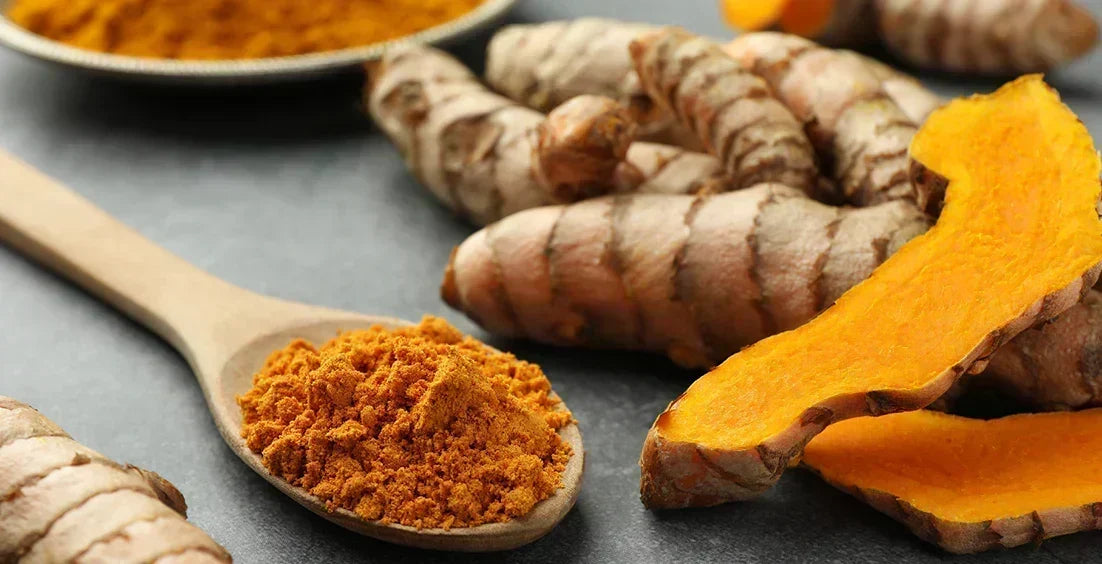
Yes, you definitely can. Raw turmeric is almost identical to ginger in terms of appearance and usage. Just peel it, slice it and grate it. No big deal.
You may simply put it in your turmeric smoothie recipe, prepare your turmeric tea or use it as an ingredient for some meal. Easy enough.
There is only one little thing about fresh turmeric root. It is a great stain. No matter how cautiously you act, you will end up with those stains on your hands, cutting board and clothes. Using gloves is highly recommended while dealing with turmeric.
Turmeric Dosage: How Much Should You Take Daily?
| Health Goal | Typical Curcumin Dosage* | Notes |
|---|---|---|
| General wellness | 500–1,000 mg/day | Pair with black pepper & fat |
| Joint support | 500–1,500 mg/day | Split doses better tolerated |
| Skin health | 500 mg × 3/day | Varies by study |
| WHO safety guideline | Up to 1.4 mg/lb body weight | Avoid prolonged high doses |
It is suggested that for the preferred curcumin content of the extract, the daily doses should be between 500–2000 mg for the average adult.
Research indicates a 500 to 1,500 mg daily amount for joint issues such as osteoarthritis, and amounts of 500 mg three times per day have been studied in skin issues. The gastrointestinal studies are extract and formulation-dependent.
The World Health Organization regards up to 1.4 mg per pound of body weight as safe on a daily basis of curcumin. Nevertheless, high doses over a prolonged period are not usually advised as there is little research on safety.
However, it is worth consulting the label to find out the concentration of curcumin that will provide the maximal therapeutic benefit. It is always best to check with your health care provider before incorporating large amounts of turmeric or curcumin into your diet, especially when taking other medications.
According to the Journal of Medicinal Food, turmeric is best absorbed when combined with healthy fats or black pepper, helping ensure that curcumin is fully utilized by the body.
"Incorporating turmeric into your daily routine can provide various health benefits, but it’s essential to find the right dosage and form that works for you," says Dr. Samantha Cassetty, a registered dietitian.
What's The Best Time to Take Turmeric for Maximum Benefits?
- Before meals → boosts digestion.
- After meals → reduces bloating.
- With fat-rich foods → maximizes absorption.
One thing that you should know is that the timing of your turmeric dose plays a big role. When wanting to reap the health benefits of this spice it is advisable to consume turmeric either before or after meals, especially where there is intake of fats including avocados, coconut, and olive oils.
It also enhances the uptake of curcumin, which makes certain you get the best results out of it.
| Timing | Reason | Best Accompaniments | Key Benefit |
|---|---|---|---|
| Before Meals | Boosts digestion and metabolism. | Healthy fats like avocado, coconut oil | Enhances curcumin absorption. |
| After Meals | Helps with digestion and reduces bloating. | Pair with fats for better absorption. | Maximizes curcumin benefits. |
| With Fat-Rich Foods | Increases curcumin absorption. | Avocado, olive oil, coconut oil | Boosts anti-inflammatory effects. |
Research from Nutrition Journal supports the idea that curcumin is better absorbed when consumed with dietary fats, helping your body process it more efficiently.*
Should You Take Turmeric with Food?
When taking turmeric, one should never take it when hungry. One's body just cannot absorb the supplement in such conditions.
The positive aspect of the matter is that the solution is quite easy to achieve. All one needs to do is to take turmeric together with food that contains some healthy fats, for example, scrambled eggs prepared with coconut oil or salad dressing made with olive oil.
Here comes one more tip about taking turmeric which few people are aware of: add a little amount of black pepper. The thing is that black pepper contains some component that allows the body to absorb the supplement much better than it would otherwise be able to absorb the curcumin contained in turmeric.
These little tips matter when taking turmeric supplements regularly.
How Can You Choose a Turmeric Supplement?
Just entering the shop and grabbing any supplement from the shelves might not be the way to go. There are some details worth considering before purchasing.
Choose the turmeric extract rather than just a plain powder. Extracts are much more powerful than the simple powder and can include as much as 95% curcumin. Curcumin is the active component in turmeric which is responsible for its effects. The amount of curcumin in the regular turmeric powder is quite insignificant.
Here is one small, but quite valuable hint pay attention whether your supplement has the black pepper extract or piperine. Piperine allows you to absorb curcumin much easier.
One last thing always check if the supplement has been tested by an outside lab. A third-party testing seal is a good sign that what is written on the label is actually in the bottle and safe to take.
Precautions and Side Effects of Turmeric Use
While turmeric is generally considered safe for most people, there are a few precautions to keep in mind.
Who Should Consult a Doctor?
If you have conditions like gallbladder problems, or blood disorders, or are on medications (especially blood thinners), it’s a good idea to consult a healthcare professional before adding turmeric to your routine.
Potential Side Effects
Common side effects may include mild digestive discomfort, nausea, or skin rash in sensitive individuals. These are generally rare, but it's important to start with a small dose to gauge how your body responds.
Dr. Michael Greger advises, While turmeric is generally safe, excessive doses over long periods may cause gastrointestinal discomfort.
Can You Take Turmeric With Other Medications?
While turmeric is a commonly consumed health supplement, it doesn't always agree with other medications. Therefore, it is important to know about the issue in case you are already under treatment using prescription drugs.
The following drugs are some examples that do not combine well with turmeric supplements:
- Blood thinning drugs such as warfarin and apixaban: May increase the risk of bleeding.
- Anti-diabetic drugs including insulin or metformin: May cause blood sugar levels to fall excessively.
- Hypotensive drugs such as metoprolol or amlodipine: May cause the blood pressure to drop excessively.
- Medications for acid reflux such as famotidine: The presence of turmeric increases stomach acids and reduces the effectiveness of the drug.
- Some chemotherapy drugs: The presence of turmeric may hinder their functioning.
Although some recent types of turmeric supplements are less likely to interact with other medicines, it does not mean that there are no risks involved at all.
In case you take regular medications, it is always a good idea to consult your physician before taking turmeric.
Who Should Not Take Turmeric?
It looks like there are many people to whom turmeric is good but there are also those people to whom it cannot be helpful.
If you are among people described below, it will be better for you not to use turmeric supplements:
- If you are pregnant or breast-feeding
- You have ever had or still have kidney stones
- You have had or you currently have gallstones
- You have diabetes or other diseases connected with the blood sugar levels
- You are allergic to turmeric, ginger or plants of the same family
Of course, this does not mean that all these people cannot use it. This means that you should think about it and consult with your doctor before making your decision.
Conclusion
The easiest way to start taking turmeric is to add the spice to one's daily diet as a way of enhancing overall health. This golden spice has good beneficial effects on human health ranging from the immune system to the digestive tract and even acts an antioxidant.
It doesn’t matter whether you are using the supplement in a capsule, tea, or smoothie form; you simply have to get it right with black pepper, and then you’re good to go.
Advertisement

 *All individuals are unique. Your results can and will vary.
This review provides easy-to-understand, actionable insights into how to effectively incorporate turmeric into your daily routine for overall health benefits.
FAQs
This article is for informational purposes only and is not a substitute for professional medical advice, diagnosis, or treatment. Statements made on this website have not been evaluated by the U.S. Food and Drug Administration. Always consult a qualified healthcare professional before making changes to your diet, supplements, medications, or healthcare routine.
Our Top Picks

Greens Blend


M50 - Menopause Essential

References
WOWMD follows strict sourcing guidelines to ensure the accuracy of its content, outlined in our editorial policy. We use only trustworthy sources, including peer-reviewed studies, qualified experts, and information from top institutions.


- Curcumin: A Review of Its Effects on Human Health https://www.ncbi.nlm.nih.gov/pmc/articles/PMC5664031/
- The Impact of Curcumin on Immune Response: An Immunomodulatory Strategy to Treat Sepsis https://www.ncbi.nlm.nih.gov/pmc/articles/PMC9738113/
- Curcumin-_Turmeric_and_Curcumin_Benefits-_Dr._Axe.pdf https://www.oneplanetnutrition.com/application/files/5816/0711/9457/Curcumin-_Turmeric_and_Curcumin_Benefits-_Dr._Axe.pdf
- Investigating Bioavailability of Curcumin and Piperine Combination in Comparison to Turmeric Rhizomes: An in vitro Study https://www.ncbi.nlm.nih.gov/pmc/articles/PMC10838102/
- Therapeutic Roles of Curcumin: Lessons Learned from Clinical Trials https://www.ncbi.nlm.nih.gov/pmc/articles/PMC3535097/
- Turmeric and Its Major Compound Curcumin on Health: Bioactive Effects and Safety Profiles for Food, Pharmaceutical, Biotechnological, and Medicinal Applications https://www.ncbi.nlm.nih.gov/pmc/articles/PMC7522354/
- Impacts of turmeric and its principal bioactive curcumin on human health: Pharmaceutical, medicinal, and food applications: A comprehensive review https://www.ncbi.nlm.nih.gov/pmc/articles/PMC9881416/
- Safety Aspects of the Use of Isolated Piperine Ingested as a Bolus http://pmc.ncbi.nlm.nih.gov/articles/PMC8467119/
- Role of Turmeric and Curcumin in Prevention and Treatment of Chronic Diseases: Lessons Learned from Clinical Trials https://pmc.ncbi.nlm.nih.gov/articles/PMC10111629/
- Biological activities of curcuminoids, other biomolecules from turmeric and their derivatives – A review https://pmc.ncbi.nlm.nih.gov/articles/PMC5388087/