



Understanding Fatty Liver Supplements
A Practical Guide to Fatty Liver Supplements, Research, and Liver Health
 By WOWMD Staff

 Fact Checked
Advertiser Disclosure: WOWMD independently vets all recommended products. If you purchase a featured product, we may be compensated. Learn why you can trust us.

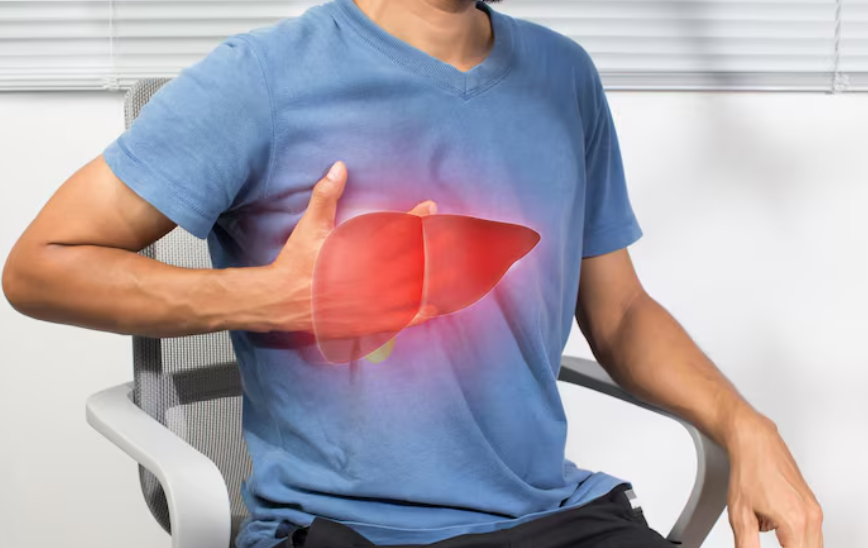
Fatty liver disease is more common than many people realize, affecting millions of adults who often have no obvious symptoms until the condition progresses. Fatty liver supplements are dietary supplements made with botanical extracts, antioxidants, and micronutrients that may help support healthy liver function and metabolic balance.
Non-alcoholic fatty liver disease, commonly known as NAFLD and now also called MASLD, is a particular concern for adults managing blood sugar, weight, and digestive health. For many people, targeted nutritional support can be a useful complement to diet and exercise, as long as expectations stay realistic. This guide covers the supplements most often studied for liver health, what the evidence actually shows, the lifestyle changes that matter most, and how to choose a quality product.
This article is for informational purposes only and is not a substitute for professional medical advice. Speak with your healthcare provider before starting any supplement, especially if you have a liver condition or take prescription medication.
TL;DR
- Vitamin E, omega-3 fatty acids, berberine, probiotics, NAC, CoQ10, and milk thistle are among the supplements most often discussed for fatty liver.
- Evidence varies widely: vitamin E and probiotics have some supportive research, while milk thistle trials have been mixed.
- High-dose vitamin E can interfere with blood clotting and is not recommended for everyone, so medical guidance is essential.
- Several of these supplements can interact with medications, including blood thinners and diabetes drugs.
- Diet, exercise, gradual weight loss, and limiting alcohol remain the foundation of fatty liver management.
- Look for supplements made in a GMP facility, with clearly disclosed ingredients and third-party testing.
Which Supplements Are Studied for Fatty Liver?
Several compounds have attracted research attention for fatty liver, each working through a different mechanism. Understanding what each one does, and how strong the evidence is, helps you make more informed choices alongside your healthcare provider.
Vitamin E
Vitamin E is a fat-soluble antioxidant that may help reduce oxidative stress in liver tissue, one of the drivers of cell damage in fatty liver disease. According to GoodRx, research comparing vitamin E with a placebo found improvements in several markers of liver damage, such as liver enzymes and liver fat, and the same GoodRx guide suggests keeping doses under 400 IU per day.
Vitamin E is not right for everyone, though. Mayo Clinic notes that vitamin E supplements are not recommended for people with serious liver scarring or type 2 diabetes. The NIH Office of Dietary Supplements also reports that clinical trials have linked high-dose vitamin E supplements to an increased risk of hemorrhagic stroke, and that large doses taken with blood thinners can increase the risk of bleeding.
Silymarin (Milk Thistle)
Silymarin is the main constituent of milk thistle extract, a botanical long used to support liver health.† It has been studied for its antioxidant properties, but the research on liver conditions is mixed. The NCCIH reports that clinical trials on liver diseases have been conflicting or too limited to allow conclusions, and that an NCCIH-funded study in people with fatty liver disease did not show benefits from silymarin. The NCCIH also warns that some milk thistle products contain amounts of silymarin substantially different from what is stated on the label, so sourcing from a reputable manufacturer matters.
NAC
N-acetyl cysteine, or NAC, is a precursor to glutathione, one of the body’s main antioxidants. By supporting glutathione production, NAC may help the liver manage oxidative stress.† However, GoodRx notes there is no solid evidence that NAC is a useful everyday supplement for liver health. Suitability depends on your health conditions and medications, so talk with your provider before starting.
Omega-3 Fatty Acids
Omega-3 fatty acids are essential fats found in fish oil, fish liver oil, and algal oils. Their best-documented effect is on blood fats: the NCCIH reports that a 2020 review of 23 studies found EPA and DHA reduce triglycerides by about 15%. Because high triglycerides and fatty liver often go hand in hand, omega-3s are frequently studied in people with fatty liver disease, although results on liver fat itself are still being established. The NCCIH notes that side effects are usually mild, such as an unpleasant taste or digestive symptoms.
Coenzyme Q10
Coenzyme Q10, or CoQ10, is a compound naturally present in the body and involved in cellular energy production and antioxidant defense. The NCCIH notes that the liver is one of the tissues with the highest natural levels of CoQ10. Some research has explored CoQ10 for liver enzyme markers, but evidence in fatty liver is still developing. The NCCIH also cautions that CoQ10 may interact with the blood thinner warfarin and with insulin.
Supplements at a Glance
|
Supplement |
Primary Mechanism |
Strength of Evidence |
Key Consideration |
|
Vitamin E |
Antioxidant, reduces oxidative stress |
Some supportive research |
Not for everyone; high doses linked to bleeding risk |
|
Silymarin (milk thistle) |
Antioxidant plant compound |
Mixed |
Label accuracy varies widely |
|
NAC |
Supports glutathione production |
Limited for everyday use |
Check with your provider about medications |
|
Omega-3 fatty acids |
Lowers triglycerides, supports lipid metabolism |
Strong for triglycerides, developing for liver fat |
EPA and DHA content matters |
|
Coenzyme Q10 |
Cellular energy and antioxidant defense |
Early |
May interact with warfarin and insulin |
|
Berberine |
Supports glucose and lipid metabolism |
Early but promising |
Interacts with several medications |
|
Probiotics |
Supports the gut-liver axis |
Some supportive research |
Effects vary by strain and product |
Each of these compounds addresses a different aspect of liver health, and the research on all of them comes with important caveats about dose, population, and study design. Speak with a qualified healthcare professional before starting any new supplement, particularly if you have a liver condition or take prescription medication.
†These statements have not been evaluated by the Food and Drug Administration. These products are not intended to diagnose, treat, cure, or prevent any disease.
ALSO READ: Best Liver Supplements for Normal Liver Function: Guide 2027
Advertisement

 *All individuals are unique. Your results can and will vary.
What Does the Research Say About Fatty Liver Supplements?
The research picture for fatty liver supplements is genuinely mixed. Understanding where the evidence is stronger and where it is thin helps you decide which options deserve your attention.
Where the Evidence Is More Promising
Berberine is a plant compound studied for its role in supporting glucose and lipid metabolism, both of which are relevant to liver fat.† Cleveland Clinic notes that a small clinical trial found people with MASLD may experience a decrease in body weight, triglycerides, and cholesterol with berberine, though more research is needed. Cleveland Clinic also advises caution if you take medications processed by the same liver enzymes.
Probiotics have also drawn growing interest because of the connection between gut health and the liver, often called the gut-liver axis. A 2022 network meta-analysis in Frontiers in Nutrition concluded that probiotics and synbiotics could significantly reduce liver enzymes (AST and ALT) in adults with NAFLD, although the researchers noted that the best type of microbial therapy has yet to be identified.
Where the Evidence Is Thinner
Some widely discussed options have a more cautious profile. Milk thistle is the clearest example: despite its long traditional use, the NCCIH reports that trials have been conflicting, and an NCCIH-funded fatty liver study did not show a benefit. NAC and CoQ10 have plausible mechanisms but limited evidence specific to fatty liver.
This distinction matters when comparing your options. A supplement may support general liver wellness while still lacking the consistent evidence needed to be recommended specifically for fatty liver management.
How to Weigh User Experiences Against Study Data
User experiences add a practical layer to the evidence picture, but they have their own limitations.
- Consistency of reporting: When many users describe similar outcomes over time, that pattern is worth noting, even though it does not replace controlled research.
- Specificity of the concern: General wellness improvements are harder to attribute to a single supplement than changes in measurable markers such as liver enzyme levels.
- Duration of use: Most supplements need consistent use over weeks to months before you can judge them, and individual responses vary considerably.
The most useful approach is to look for ingredients where published research and user experiences point in a similar direction, and to treat either source on its own as incomplete.
†These statements have not been evaluated by the Food and Drug Administration. These products are not intended to diagnose, treat, cure, or prevent any disease.
Which Lifestyle Changes Support Fatty Liver Management?
Supplements work best when your daily habits support the same goals. For people managing fatty liver disease, the areas with the most evidence are diet quality, physical activity, weight management, and limiting alcohol.
Diet Modifications
Cleveland Clinic recommends following a healthy eating plan like the Mediterranean diet for fatty liver disease. The Mediterranean diet centers on vegetables, legumes, whole grains, olive oil, and lean proteins such as fish, while limiting added sugars, refined carbohydrates, and saturated fats.
A few practical shifts make a meaningful difference.
- Reduce added sugar: The NIDDK advises avoiding foods and drinks that contain large amounts of simple sugars, especially fructose.
- Choose healthier fats: The NIDDK recommends replacing saturated fats and trans fats with unsaturated fats, such as those in olive oil, avocado, nuts, and fatty fish.
- Prioritize whole-food fiber: Vegetables, legumes, and whole grains support gut health and steadier blood sugar.
- Include fermented foods: Given the research interest in probiotics and the gut-liver axis, yogurt and kefir can be a reasonable addition to a balanced diet.
Exercise Routines
Physical activity targets two of the main contributors to fatty liver disease: excess body fat and insulin resistance. Mayo Clinic recommends aiming for at least 150 minutes of exercise a week.
- Aerobic activity: Brisk walking, cycling, or swimming several times a week supports metabolic health and may help reduce liver fat over time.
- Resistance training: Lifting weights or doing bodyweight exercises two to three times a week helps maintain lean muscle, which improves how your body handles blood sugar and blood fats.
- Consistency over intensity: Gradual, sustained activity tends to produce more lasting benefits than short bursts of intense effort, especially if you are new to regular exercise.
Weight Management and Alcohol
Gradual weight loss is one of the most effective changes for fatty liver. According to the NIDDK, losing at least 3% to 5% of your body weight can reduce liver fat, while losing up to 7% to 10% may be needed to reduce inflammation and fibrosis. The NIDDK also notes that rapid weight loss can make liver disease worse, so slow and steady is best. Limiting alcohol matters too, since the NIDDK advises that people with NAFLD minimize alcohol, which can further damage the liver.
Sleep and Stress Management
Chronic stress raises cortisol, a hormone that can add to metabolic strain over time, and poor sleep is associated with disrupted metabolic function. Prioritizing consistent, quality sleep is a practical first step, and approaches such as mindfulness, breathing exercises, or gentle yoga may help manage stress and support overall wellbeing.
How Do You Choose a Quality Liver Supplement?
Quality and transparency matter as much as the ingredient list. When evaluating any liver supplement, look for:
- Clearly disclosed ingredients, rather than vague proprietary blends
- Manufacturing in a GMP-certified facility, which signals consistent production standards
- Third-party testing for purity and potency, so you can trust the label
- No unnecessary artificial additives
- Clear warnings and directions, including who should not use the product
Realistic timelines matter too. Liver health does not change quickly, and supplements typically need weeks to months of consistent use before you can judge whether they are helping. The most informed choice is to work with a healthcare professional who can monitor your progress, interpret your lab results, and help you adjust your approach over time.
ALSO READ: Berberine for Weight Loss: Benefits, Uses & Safety
Top Picks: WOWMD Supplements for Liver and Metabolic Support
If you and your healthcare provider decide that a supplement could support your plan, the two options below are each designed with a different goal in mind. One focuses on everyday liver wellness and the other on the metabolic factors closely tied to liver fat. Both meet the quality standards outlined above, from clearly disclosed ingredients to GMP manufacturing and third-party testing.
1. WOWMD Liver Support: Best for Daily Liver Wellness

Pros:
- Combines milk thistle, beetroot, artichoke extract, and dandelion root
- Plant-based veggie capsules with a simple once-daily routine
- Gluten-free, non-GMO, vegan-friendly, and vegetarian
- Made in the USA in a GMP facility with third-party lab-tested ingredients
- 60-day money-back guarantee for first-time single-bottle purchases
Cons:
- Not intended for anyone under 18, or during pregnancy or nursing unless directed by a healthcare professional
- People with a liver, kidney, gallbladder, or bile-duct condition, or an allergy to plants in the Asteraceae family, should check with a provider first
Key ingredients: Milk thistle, beetroot, artichoke extract, dandelion root | Format: 60 veggie capsules | Rating: 4.9/5 from 1,143 verified reviews
WOWMD Liver Support is formulated to support normal liver function as part of a healthy lifestyle.† Take two veggie capsules once a day, 20 to 30 minutes before a meal with an 8 fl oz glass of water, or as directed by your healthcare professional. It is not intended to treat fatty liver disease, so it works best as one part of a broader plan that includes the diet and lifestyle changes covered in this guide.
"Started this after the holidays and my stomach feels less bloated. The milk thistle and dandelion root are legit. Good price for the quality." - Richard H
2. WOWMD Berberine Essentials: Best for Metabolic Support

Pros:
- Berberine HCl sourced from Berberis aristata bark
- Plant-based capsules with minimal other ingredients
- Gluten-free, non-GMO, vegan-friendly, and vegetarian
- Made in the USA in a GMP facility with third-party lab-tested ingredients
- 60-day money-back guarantee for first-time customers
Cons:
- Not suitable during pregnancy or breastfeeding, or for anyone under 18
- May interact with medications, including those processed by liver enzymes, so a provider check is important
Key ingredients: Berberine HCl (Berberis aristata bark) | Format: Capsules | Rating: 4.8/5 from 840 verified reviews
WOWMD Berberine Essentials is formulated to support daily metabolic wellness, including healthy glucose and lipid metabolism, which are closely tied to liver fat.† Take two capsules daily, preferably 20 to 30 minutes before a meal with water, or as directed by your healthcare provider. Because berberine can affect how the body processes some medications, speak with your provider before use, especially if you have a liver condition or take prescription medication.
"I have been trying to pay closer attention to my daily habits. This is easy to include and works well alongside the other choices I make during the day." - Matthew O.
†These statements have not been evaluated by the Food and Drug Administration. These products are not intended to diagnose, treat, cure, or prevent any disease. Individual results may vary.
Advertisement

 *All individuals are unique. Your results can and will vary.
Final Thoughts
Managing fatty liver disease comes down to recognizing that no single supplement or habit works on its own. The evidence points consistently toward a combined approach: a Mediterranean-style diet with less added sugar, regular physical activity, gradual weight loss, limited alcohol, good sleep, and, where appropriate, targeted supplement support.
Some supplements, such as vitamin E, probiotics, and berberine, have encouraging research behind them, while others, including milk thistle, have produced mixed results. Approaching supplements with realistic expectations, choosing quality products, and discussing any new regimen with your healthcare provider keeps your choices grounded in your own health picture. If you and your provider decide a supplement fits your plan, WOWMD Liver Support offers daily liver wellness support, while WOWMD Berberine Essentials focuses on metabolic support. Both are made in the USA.
FAQs
This article is for informational purposes only and is not a substitute for professional medical advice, diagnosis, or treatment. Statements made on this website have not been evaluated by the U.S. Food and Drug Administration. Always consult a qualified healthcare professional before making changes to your diet, supplements, medications, or healthcare routine.

