


The Best Eye Creams for Dark Circles: Causes, Key Ingredients and Top Picks
A Guide to Dark Circle Causes, Key Ingredients, and Eye Creams
 By WOWMD Staff

 Fact Checked
Advertiser Disclosure: WOWMD independently vets all recommended products. If you purchase a featured product, we may be compensated. Learn why you can trust us.

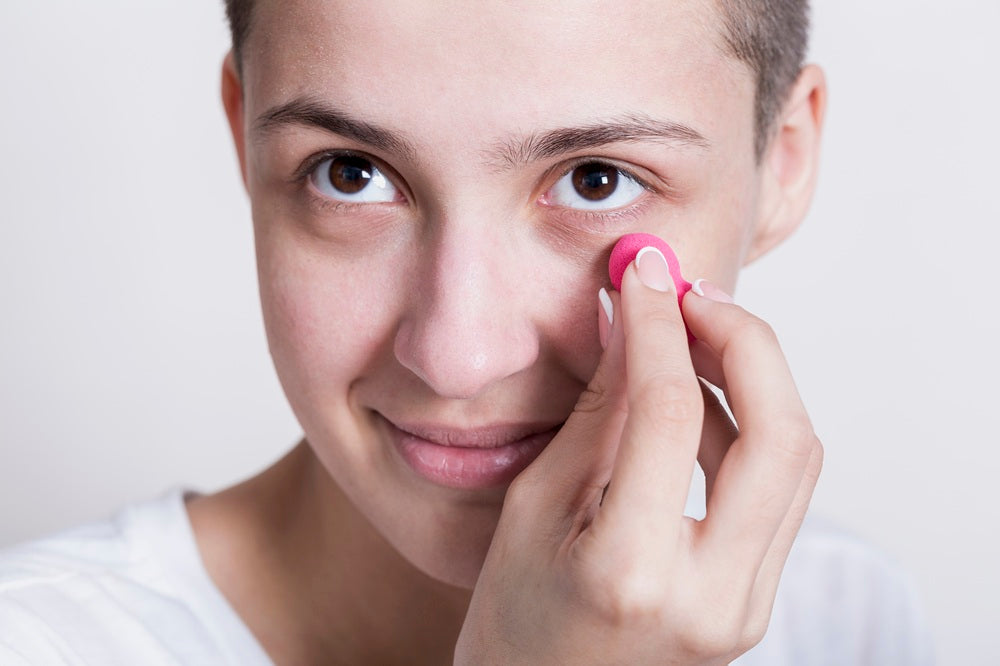
You wake up, look in the mirror, and there they are: shadows under your eyes that no amount of sleep seems to touch. Dark circles are one of the most searched skincare concerns for good reason. They are stubborn, they are common, and they rarely have just one cause.
Understanding what is driving yours is the first step toward finding something that actually works. This guide covers why dark circles happen, which ingredients to look for, and how some of the most popular eye creams compare.
This article is for informational purposes only and is not a substitute for professional medical advice. Speak with a dermatologist or healthcare provider if dark circles appear suddenly or come with other symptoms.
TL;DR
- Dark circles are usually caused by a mix of genetics, aging, lifestyle factors, and vascular congestion such as allergies.
- Brown-toned circles are typically driven by pigmentation, while blue or purple circles usually point to visible blood vessels and fluid.
- Caffeine helps with puffiness and blue undertones, vitamin C targets pigmentation, and peptides support firmer, less translucent skin.
- The best eye cream is the one matched to your type of dark circle, your skin type, and a routine you can stick with.
- Topical products work best alongside good sleep, hydration, and stress management.
- Eye creams improve the appearance of dark circles over weeks of consistent use. They are not a medical treatment.
What Causes Dark Circles?
Dark circles can be caused by genetics, aging, and lifestyle factors, often a combination of all three at once. Each root cause creates a slightly different type of shadow, which is why not every eye cream works the same way for every person.
Here is what is typically happening beneath the surface:
- Genetics: Some people are born with more melanin pigmentation under the eye, or with skin that sits closer to the underlying blood vessels. If your parents had dark circles, there is a good chance you do too.
- Aging: As you get older, skin loses collagen and becomes thinner. Blood vessels become more visible, and the fat pads that cushion the eye area begin to shift, creating a hollowed, shadowy look.
- Lifestyle factors: Poor sleep, dehydration, high sodium intake, alcohol, and chronic stress all contribute to puffiness and discoloration. These are often the most reversible causes, but they still require consistent attention.
- Vascular congestion: Allergies and sinus pressure can cause blood to pool under thin under-eye skin, producing a bluish or purple tint.
Knowing which type of dark circle you are dealing with helps you choose the right ingredient strategy.
How Do Eye Creams for Dark Circles Work?
A well-formulated eye cream does not just mask the problem. Over time, it works to brighten pigmentation, improve the look of skin thickness, support circulation, and reduce puffiness.
Different ingredients tackle different causes. Caffeine narrows blood vessels and reduces fluid retention, which helps with puffiness and blue undertones. Vitamin C and niacinamide target pigmentation. Peptides and hyaluronic acid support the structure and hydration of thin, delicate skin. The results can be meaningful when the formula matches your concern, which is why the ingredient list matters more than the packaging.
What Ingredients to Look For in an Eye Cream
The skin under your eyes is thinner and more delicate than anywhere else on your face, which means it responds quickly to the right ingredients and just as quickly to the wrong ones. Understanding what each active does gives you a real filter for comparing products.
Caffeine
When your under-eye area looks puffy and shadowed first thing in the morning, caffeine is often doing the heavy lifting. It works by narrowing blood vessels and supporting circulation, which can visibly reduce puffiness and the bluish tint that pooling blood creates beneath thin skin. This makes it a practical first-line ingredient for anyone dealing with vascular dark circles.
Vitamin C
If your dark circles look more brown than blue, pigmentation is likely the driver, and that is where vitamin C earns its place. It works by interrupting melanin production and gradually evening skin tone. It also supports collagen synthesis, helping the skin look thicker over time so underlying discoloration becomes less visible. Look for a stabilized form, such as ascorbic acid, sodium ascorbyl phosphate, or ascorbyl glucoside, since vitamin C oxidizes quickly in poorly formulated products.
Peptides
Peptides work differently than caffeine or vitamin C. Their job is structural. These short chains of amino acids signal your skin to support collagen, which can improve the overall resilience of the under-eye area. With consistent use, skin can look less translucent, which softens the shadowing that comes with thinning. Results build gradually, so patience matters.
Hyaluronic Acid
Hyaluronic acid draws moisture into the skin. Plump, well-hydrated skin reflects light more evenly, which makes dark circles look softer. It pairs especially well with peptides.
ALSO READ: Vitamins for Eye Health, Vision & Dry Eyes
Top Eye Creams for Dark Circles
The eye cream market is crowded, and not every product that promises to brighten actually does. Here is an honest look at some of the most-discussed options and what makes each one worth considering.
01. WOWMD Peptide Eye Gel-Cream: Best Lightweight Daily Option

Pros:
- Lightweight, fast-absorbing gel-cream texture
- Fragrance-free, paraben-free, and silicone-free
- Pairs a puffiness-targeting peptide with hydrating sodium hyaluronate
- Made in the USA in a GMP facility with third-party lab-tested ingredients
Cons:
- No caffeine or vitamin C, so pigment-heavy circles may need an extra step
- Results build gradually over months rather than weeks
Key actives: Acetyl Tetrapeptide-5, Sodium Hyaluronate, Grape Seed Oil, Bamboo Extract | Format: Gel-cream | Rating: 4.7/5 from 586 verified reviews
The WOWMD Peptide Eye Gel-Cream is formulated to help improve the look of puffiness, soften the appearance of fine lines, and support a brighter-looking under-eye area. Its silky, non-greasy texture sits well under makeup, and it can be used morning and evening. A dime-sized amount, gently tapped around the orbital bone, is enough. First-time customers buying a single bottle are also covered by a 60-day money-back guarantee.
"This product makes my skin feel good and look refreshed every day, which is exactly what I needed" - Scarlett E
02. CeraVe Skin Renewing Eye Cream: Best for Sensitive Skin

Pros:
- Fragrance-free and ophthalmologist-tested
- Combines three ceramides, hyaluronic acid, niacinamide, peptides, and caffeine
- Suitable for sensitive skin and contact lens wearers
Cons:
- A gentler formula that may feel underwhelming for deep-set circles
Key actives: Ceramides, Niacinamide, Caffeine, Peptides, Hyaluronic Acid | Format: Cream
If your dark circles come with dryness and texture, this is a strong entry-level option. The ceramides reinforce the skin barrier while niacinamide and caffeine address tone and puffiness. The tradeoff is intensity: it plays it safe, which suits sensitive skin.
03. ALASTIN Restorative Eye Treatment: Best for Dark Circles and Aging Skin

Pros:
- Peptide-rich formula built around TriHex Technology
- Includes niacinamide plus green tea and oak leaf tea extracts, which the brand says help reduce the look of dark circles
Cons:
- Sits at the higher end of the price range
Key actives: Peptides (TriHex Technology), Niacinamide, Green Tea and Oak Leaf Tea Extracts | Format: Cream
This formula earns its premium positioning through ingredient depth. Expect gradual improvement in the look of firmness and brightness with consistent use over several weeks, making it a thoughtful pick if you are managing both dark circles and visible signs of aging.
04. Kiehl’s Powerful-Strength Vitamin C Eye Serum: Best for Pigment-Based Circles

Pros:
- Built around ascorbic acid, a pure form of vitamin C
- Also includes peptides and hyaluronic acid
- Fragrance-free
Cons:
- Vitamin C can be sensitizing, so patch testing is a smart first step
Key actives: Ascorbic Acid, Palmitoyl Tripeptide-1, Hydrolyzed Hyaluronic Acid | Format: Serum
Vitamin C is one of the most researched ingredients for hyperpigmentation, and this serum targets pigment-based discoloration in the eye area. It layers easily under a moisturizer or eye cream.
05. La Roche-Posay Pigmentclar Eye Cream: Best for Instant Brightening
Pros:
- Contains caffeine and niacinamide
- Light-reflective pigments give an instant brightening effect
- Cooling metal applicator
Cons:
- Some users report sensitivity, so patch testing is worthwhile
Key actives: Caffeine, Niacinamide, Phenylethyl Resorcinol | Format: Cream
This formula targets the look of under-eye discoloration while brightening the eye contour on contact. It is a practical choice if you want visible results on the day while working on pigmentation over time.
Eye Creams at a Glance
|
Product |
Key Actives |
Best For |
Format |
|
Acetyl Tetrapeptide-5, Sodium Hyaluronate |
Puffiness, hydration, daily use |
Gel-cream |
|
|
CeraVe Skin Renewing Eye Cream |
Ceramides, Niacinamide, Caffeine |
Sensitive skin, dryness |
Cream |
|
ALASTIN Restorative Eye Treatment |
Peptides, Niacinamide |
Dark circles and aging skin |
Cream |
|
Kiehl’s Vitamin C Eye Serum |
Ascorbic Acid, Peptides |
Pigment-based circles |
Serum |
|
La Roche-Posay Pigmentclar Eye Cream |
Caffeine, Niacinamide |
Instant brightening |
Cream |
†These statements have not been evaluated by the Food and Drug Administration. These products are not intended to diagnose, treat, cure, or prevent any disease. Individual results may vary.
Other Ways to Reduce Dark Circles
Eye cream is a smart daily habit, but it works best as part of a broader approach. If you have been consistent with a topical routine and still want more, these adjustments can support your results.
LED Light Therapy
LED masks and eye devices have moved from spa treatment to at-home staple. Red and near-infrared wavelengths are used to support collagen and circulation in delicate skin, both of which matter when you are working on shadows and hollowness. Used a few times per week, they can complement your eye cream.
Better Sleep
Poor sleep causes blood and fluid to pool under thin under-eye skin, producing a darker, more blue-toned appearance. Consistently getting seven to nine hours allows your body to clear that fluid overnight. Sleeping on your back with your head slightly elevated can also reduce morning puffiness over a few weeks.
Hydration and Diet
Dehydration makes skin look dull and sunken, which magnifies dark circles. Drinking enough water throughout the day helps maintain skin plumpness. Diets rich in vitamin C, iron, and antioxidants also support healthy circulation and collagen.
Stress Management
Chronic stress elevates cortisol, which can disrupt sleep and affect the skin barrier. Relaxation habits, regular exercise, and a consistent bedtime routine all help. The skin under your eyes often reflects what is happening internally, so addressing sleep and stress gives your topical routine a better chance to show results.
These approaches work gradually. Give any new habit or product at least four to six weeks before assessing its contribution.
How to Choose the Right Eye Cream for You
By this point, you know what causes dark circles, which ingredients target them, and how leading products compare. The remaining question is which formula fits you. The answer comes down to three filters.
Skin Type and Sensitivity
Dry or crepey under-eye skin benefits from richer formulas with peptides, hyaluronic acid, and ceramides. Oily or combination skin generally does better with lightweight gel-creams that absorb quickly. If your skin is sensitive, choose fragrance-free formulas and avoid high-concentration retinol until your skin has built some tolerance.
Your Primary Concern
Pigmentation-driven circles respond well to vitamin C, niacinamide, and kojic acid. Vascular circles, the kind that look bluish or purplish, benefit more from caffeine and peptides that support circulation and reduce puffiness. Structural shadows caused by volume loss may need collagen-supporting ingredients and, in some cases, treatments like LED therapy.
Budget and Ingredient Preferences
Start with your specific concern, then let your budget guide you toward the strongest option within your range. If clean formulas matter to you, look for fragrance-free options without parabens, sulfates, or mineral oil.
What to Check Before Buying an Eye Cream
A few final checkpoints before you commit:
- Does the product clearly list its key actives, not just a long ingredient list?
- Is there a satisfaction guarantee that lets you try it with low risk?
- Does the texture work for your routine, whether morning, evening, or both?
- Is it fragrance-free and suitable for sensitive skin around the eyes?
Final Thoughts
The right eye cream is not the most expensive one. It is the one formulated for your type of dark circle, made with ingredients you trust, and easy enough to use every day.
For a lightweight, fragrance-free option that targets puffiness and hydration, the WOWMD Peptide Eye Gel-Cream is an easy place to start. Pair it with good sleep, hydration, and patience, and give it time to work.
FAQs
This article is for informational purposes only and is not a substitute for professional medical advice, diagnosis, or treatment. Statements made on this website have not been evaluated by the U.S. Food and Drug Administration. Always consult a qualified healthcare professional before making changes to your diet, supplements, medications, or healthcare routine.