




Best Melatonin Gummies For Kids: Sleep SolutiTons & More
Find the right melatonin gummies for kids to promote better sleep and healthy routines.
 By WOWMD Staff

 Fact Checked
Advertiser Disclosure: WOWMD independently vets all recommended products. If you purchase a featured product, we may be compensated. Learn why you can trust us.

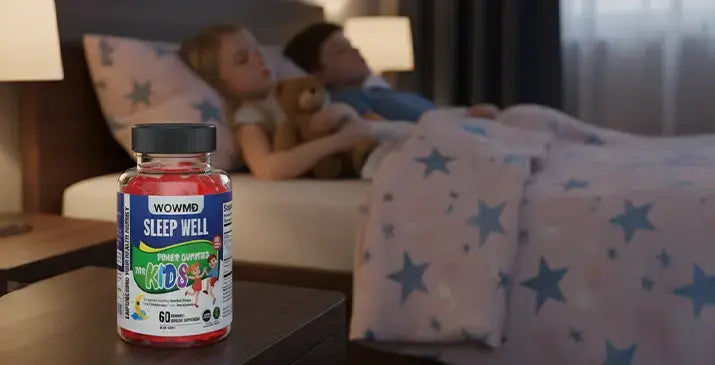
You're not alone if your child struggles to fall or stay asleep. Night after night, many parents sit beside their kids, waiting for them to drift off, only to hear, “I’m still not sleepy.” Some children wake up multiple times at night, while others toss and turn for hours.
You may have tried everything: warm baths, bedtime stories, no screens, quiet rooms. But the bedtime battles continue.
Sadly, when a child doesn’t get enough rest, it affects more than just their mood. It can spill into their schoolwork, attention span, and ability to regulate emotions during the day.
At this point, many parents start searching for answers. And that’s where melatonin often comes in. You’ve likely heard about it from another parent or seen it at the store. But the question remains: What’s the best melatonin for kids? Is natural melatonin for kids truly safe?
This guide will explain how melatonin works, what age it suits, and how to use it safely. We’ll also look at which products offer the most reliable support so you can decide which one truly fits your child’s needs. If you’re trying to choose the best melatonin gummies for kids, this guide is for you.
Shop WOWMD Sleep Well Gummies for better sleep tonight!
TL;DR:
- Melatonin helps regulate sleep and aids kids with sleep issues like ADHD.
- Consult a pediatrician before using melatonin supplements for children.
- Choose melatonin gummies with 0.5-1mg dose, natural ingredients, and third-party testing.
- Melatonin is safe in small doses but should not be used long-term without guidance.
What is Melatonin?
Melatonin is a hormone the body makes on its own. It helps control sleep. When it gets dark outside, the brain produces more melatonin, signaling the body that it’s time to rest. When the sun comes up in the morning, melatonin levels drop so you can wake up and feel alert.
This natural sleep cycle is called the body’s internal clock[1]. However, that clock sometimes gets off track, especially for kids who have trouble sleeping. And that’s where melatonin can be helpful.
Melatonin is also found in small amounts in certain foods like eggs, fish, milk, and rice. But when sleep is a struggle, many parents look for melatonin in supplement form.
These supplements are often made as gummies or chewables, giving your child extra melatonin to help them fall asleep more easily.
Advertisement


Can Melatonin Help Kids Fall Asleep?
Yes, melatonin can help some kids fall asleep faster and for longer. It’s not a sleeping pill, though—it works best for kids who have trouble settling down at bedtime or falling asleep at the right time.
A study published by Boston Children's Hospital suggests that melatonin can help kids with sleep struggles linked to conditions like ADHD or autism[2]. In these cases, melatonin may help calm the brain and make it easier to rest.
If your child keeps staying up late or waking up too early, you might be thinking about the If your child keeps staying up late or waking up too early, you might be thinking about the best melatonin for kids.
But before trying anything, it’s smart to speak with your child’s doctor. Melatonin works well for many kids, but should be used correctly and only when needed.
Antoinette Burns, DO, MPH, Pediatrician, was quoted in the Children's Hospital Colorado article, “I recommend that parents give melatonin to their child two to three hours before the desired bedtime, so that we can build up the peak of melatonin to coincide with their natural sleep cycle.”

Also Read: Melatonin Myths & Facts
How to Choose the Best Melatonin Gummies for Kids?
 Way to Choose the Best Melatonin Gummies for Kids
Picking the right melatonin supplement for your child can feel confusing. To make it easier, here are a few simple steps to help you choose the best melatonin gummies for kids:
1. Check the Melatonin Amount
Always look at the label. The gummy should show exactly how much melatonin is in each serving. The best melatonin for your kids will have a clear and safe dose, usually between 0.5 mg and 1 mg[3].
2. Look for Third-Party Testing
This means an outside lab has tested the product. It confirms that the label is honest and the product is safe. This matters because some gummies have been found to contain too much melatonin—or even added CBD—without saying so.
3. Avoid Fake or Harmful Ingredients
Choose a product with simple, natural ingredients. A good melatonin supplement for kids will have minimum sugar, no artificial colors, or chemicals your child doesn’t need.
4. Pick One Made for Your Child’s Age
Some melatonin gummies are only for kids over 3 or 4 years old, while others may be safe for younger toddlers. Always read the age guide on the bottle and ask your pediatrician if you’re unsure.
5. Choose Trusted Brands
Go for well-known brands made in the U.S. with good reviews. A trusted name often means better quality and safety.
Did You Know?
- Melatonin regulates your sleep cycle naturally.
- Melatonin gummies are safe when taken in proper doses.
- It’s effective for sleep struggles in kids with ADHD or autism.
- Natural flavors and ingredients like passionflower are often used in gummies.
Is Melatonin Safe for Kids?
Research published in Children's Hospital Colorado shows that melatonin can be safe for kids, but only when used correctly and with a doctor's help[4].
Many children take it without problems, especially those who have trouble sleeping because of conditions like ADHD or autism.
That said, melatonin isn’t meant for everyday use without guidance. You should always try other sleep solutions first, like a set bedtime or less screen time at night. If those don’t help, your doctor might suggest the best melatonin for kids in a low dose.
Melatonin is not safe for babies unless a doctor says so. Most products are made for kids over 3 or 4. If your child is younger, do not give them melatonin without medical advice.
The best melatonin gummies for kids are usually safe in small doses, but more research is still needed on how they affect children in the long term.
Advertisement


That’s why choosing carefully and talking to your pediatrician before using natural melatonin for kids is important.
Also Read: Melatonin Benefits
User Testimonials
- “My 5-year-old falls asleep fast and sleeps soundly now. No more restless nights, and I love that it’s all-natural and safe for him.” —Cassie M., Verified Reviewer ★★★★☆
- “My kid sleeps more soundly now and feels calmer at night. Getting them to relax is easier, and they actually like taking the gummies.”—Katlin P., Verified Reviewer ★★★★★
- “My kids fall asleep so much quicker now. We’ve been using these gummies regularly, and they really support their natural sleep cycle. It’s been so much easier getting them to bed!”—Josephine G., Verified Reviewer ★★★★★
Comparison Table
| Aspect | Melatonin for Kids | Safety Considerations | Expert Recommendations |
|---|---|---|---|
| General Safety | Safe with proper use and medical advice | Not for babies without doctor approval | Always consult a pediatrician |
| Age | Suitable for kids aged 3-4 years | Not safe for babies | Use only with medical guidance |
| Conditions | Helpful for sleep issues like ADHD or autism | Try other sleep solutions first | Start with low doses |
| Dosage | Low dose works best | Avoid high doses without a doctor's advice | Follow the doctor’s recommendations |
| Long-term Effects | More research needed | Limited long-term studies | Further research needed |
| Best Form | Gummies are popular | Safe in small doses | Consult a pediatrician for advice |
Side-Effects
Melatonin is usually safe for kids when used in the right amount, but some children may experience mild effects. The most common one is feeling sleepy or groggy the next day. Some kids may also complain of headaches or dizziness. Mood changes can happen in a few cases, too.
In certain children, melatonin might trigger restless sleep, such as nightmares or night terrors, while in others, it could actually calm such issues. Because studies on long-term use in kids are still limited, it is always best to be careful and use melatonin only under guidance.
Alternatives to Melatonin
 Alternatives to Melatonin
Melatonin can help, but it’s not the only way to improve sleep. Before trying supplements, other safe and natural options may work for your child.
1. Create a Bedtime Routine
Doing the same things every night, like brushing teeth, reading a book, and turning off lights, can help your child’s brain know it’s time for sleep.
2. Limit Screen Time at Night
Phones, tablets, and TVs give off light that can confuse the body’s sleep clock. Turning off screens an hour before bed can help your child fall asleep faster.
3. Use Calming Sleep Tools
White noise machines, night lights, or soft music can relax the room. Some families use lavender spray or a warm bath to help their child feel calm before bed.
4. Check Your Child’s Diet
Heavy meals or too much sugar before bedtime can keep kids awake. A light snack, like a banana or warm milk, may help them feel more ready to sleep.
In this video, our valued client shares her experience with WOWMD Sleep Well Power Gummies for Kids, highlighting how the gummies have helped her child fall asleep faster, improve sleep quality, and wake up feeling refreshed.
If you’ve tried these steps and your child is still struggling, it might be time to talk to your doctor. They can help decide if melatonin supplementation is a good next step or if another solution is better.
Why WOWMD Sleep Well Gummies Are a Smart Choice for Kids
If you’re searching for the best melatonin gummies for kids, WOWMD Sleep Well Power Gummies for kids deserve a spot at the top.
They’re made with 1 mg of melatonin, a gentle and safe starting dose for most kids. These gummies also include passionflower extract and vitamin B6, both known to support calmness and a healthy sleep cycle[5].
What makes this product stand out is how kid-friendly it is. The gummies are shaped like bears, taste fruity, and don’t contain artificial colors or harsh chemicals.
They’re made in a registered U.S. facility and follow strict safety rules. Each batch is lab-tested, so you know your child is getting exactly what’s on the label.
Parents looking for natural melatonin for kids will also appreciate that WOWMD skips the ingredients kids don’t need. There are no artificial colors, fake sweeteners, or unnecessary fillers.
WOWMD uses purple carrot juice for color and natural passion fruit flavor to make bedtime something your child looks forward to.
Advertisement


In short, this is one of the best melatonin products for families who want their children to take something safe, tasty, and scientifically backed.
Melatonin Gummies Buyer’s Checklist
- Check dosage: Look for 0.5–1 mg of melatonin.
- Third-party testing: Ensure lab-tested safety.
- Natural ingredients: Avoid artificial colors and excessive sugar.
- Age-appropriate: Choose based on your child’s age.
- Trusted brands: Opt for reputable brands with positive reviews.
Conclusion
If your child struggles with sleep, you’re not alone, and you're not out of options. Melatonin can help, but it’s essential to use it correctly. Start with good bedtime habits. Then, talk to your doctor to see if a supplement makes sense.
For parents ready to try melatonin, the best melatonin gummies for kids are safe, gentle, and made with care. Products like WOWMD Sleep Well Gummies offer a trusted way to support healthy rest.
And remember that when you’re looking for which melatonin supplement your kids should use, always read the label, check the dose, and choose a brand that prioritizes your child’s safety.
Get WOWMD Sleep Well Gummies for Kids today and rest easy!
FAQs
Our Top Picks


References
WOWMD follows strict sourcing guidelines to ensure the accuracy of its content, outlined in our editorial policy. We use only trustworthy sources, including peer-reviewed studies, qualified experts, and information from top institutions.


- Melatonin for kids: Is it effective? Is it safe? https://answers.childrenshospital.org/melatonin-for-children/
- Is Melatonin Safe for Kids? A Guide to Sleep, Side Effects and Dosage https://www.childrenscolorado.org/just-ask-childrens/articles/melatonin/
- Circadian Rhythm https://my.clevelandclinic.org/health/articles/circadian-rhythm
- Melatonin https://www.ncbi.nlm.nih.gov/books/NBK534823/#_article-35398_s4_
- A combination of melatonin, vitamin B6 and medicinal plants in the treatment of mild-to-moderate insomnia https://www.sciencedirect.com/science/article/abs/pii/S0965229919303711