

10 Best Foods for Hair Growth: What To Eat and Avoid
Discover the best foods for hair growth, including eggs, salmon, leafy greens, nuts, berries, and more. Learn how nutrition supports healthy hair.
 By WOWMD Staff

 Fact Checked
Advertiser Disclosure: WOWMD independently vets all recommended products. If you purchase a featured product, we may be compensated. Learn why you can trust us.

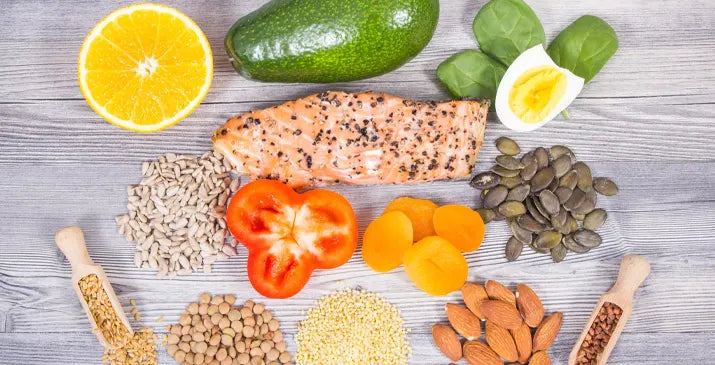
If you want to combat hair loss and vitamin deficiency naturally, understanding the best foods for hair growth is essential. In this piece, we'll explore a holistic approach to achieving and maintaining beautiful locks by discussing the best foods for hair growth and how a proper hair health diet can transform your look.
Eating enough protein, vitamins, and minerals is one way to support the normal condition of your scalp and hair. This article shows you how to develop and preserve healthy hair through a complete strategy that includes the best foods for hair growth and nutrition.
TL;DR
- Best foods for hair growth ranked by the nutrients your hair follicles actually use, including eggs, fatty fish, leafy greens, nuts, and berries.
- Which vitamins for hair growth matter most: biotin, vitamin E, vitamin C, zinc, and iron.
- Foods that cause hair loss or work against your results, from refined sugar to trans fats.
- How to build a hair health diet you can actually stick to, with hydration, meal timing, and portion guidance.
- Where dietary supplements for hair growth fit, and where whole food does the job better.
Why Is Your Hair Getting Thinner?
Hair thinning rarely traces back to one cause. Most people deal with two or three overlapping factors, and diet only addresses some of them. Here is what typically drives it.
- Nutrient deficiencies: Low iron, zinc, protein, or vitamin D can push follicles out of their growth phase early. Research on women with hair loss found significantly lower serum ferritin and vitamin D levels compared with controls. This is the category food changes influence most directly.
- Hormonal shifts: DHT sensitivity, postpartum changes, and menopause all alter the hair cycle. Thyroid conditions produce brittle, slow-growing strands as well, which is why a full clinical workup matters before you assume the cause is dietary.
- Stress and illness: A high-stress stretch, surgery, or fever can trigger telogen effluvium, where a large share of follicles shed at once. Shedding usually shows up two to three months after the event.
- Mechanical damage: Tight ponytails, braids, extensions, and daily heat styling weaken the shaft and stress the follicle. Repeated tension over years can cause lasting thinning at the hairline.
- Genetics and age: Androgenetic alopecia runs in families and progresses gradually. Hair also grows more slowly and finer as you age, which is normal rather than a deficiency.
The Function of Diet in Promoting Hair Growth
A healthy diet forms the foundation of good hair growth. Eating enough protein, vitamins, and minerals is one way to support the normal condition of your hair and scalp. What helps hair grow? The key factor for better hair growth starts with the foods we eat each day. Dietary supplements for hair health or whole nutritious foods must become part of your proper eating routine to see improvements.
From protein-packed eggs hair growth recipes to vitamin-rich fruits for hair growth and thickness, every nutrient plays a role. For instance, vitamins for hair thickness, such as biotin for hair growth oil, vitamin E hair growth, and even vitamin D oil for hair, contribute to overall hair health. Adding a variety of these foods into your diet can enhance your natural hair growth process.
Advertisement


Best Foods for Hair Growth
1. Eggs
Eggs provide you with a full protein and biotin intake that is important since your hair shaft consists mainly of keratin that is a structural protein. It is worth noting that egg yolks contain not only biotin but also vitamin D, selenium, and choline. The absence of yolk means that you will miss all beneficial properties that make eggs a perfect food for hair growth. Two eggs give you about 12 grams of protein. Research on egg-derived compounds and hair follicle activity remains early, so treat eggs as a reliable protein source rather than a cure for shedding.
2. Salmon and Other Fatty Fish
Salmon, mackerel, sardines, and herring contain omega-3 fatty acids that have anti-inflammatory characteristics that may help to create a more peaceful environment of your scalp. Fatty fish also includes vitamin D and high-quality protein. Clinical trial has proven the positive influence of the mixture of omega-3, omega-6, and antioxidants on hair density for six months. The study used a supplemented product instead of fish. Consume two servings per week choosing low-mercury fish such as salmon and sardines instead of large fishes. Omega-3 supplementation has been shown to help slow down hair loss in 120 healthy women in a clinical study.
3. Spinach and Green Leafy Vegetables
Spinach, kale, and Swiss chard are loaded with iron, folate, and Vitamin A, which are among the most densely packed foods. Iron is needed to create hemoglobin, and hemoglobin is responsible for transporting oxygen to the hair follicles under your scalp. In retrospective work on 210 patients suffering from hair loss, it was noted that people who had this condition had much lower levels of ferritin compared to matched controls. Pair leafy greens with Vitamin C in the form of bell peppers or lemon juice, because plants have non-heme iron which is better absorbed with Vitamin C.
4. Avocados
Half an avocado will give you mono-unsaturated fats and Vitamin E, an antioxidant which is able to protect skin and scalp from oxidative stress. Other beneficial vitamins in avocados include potassium, folate, and B6 vitamins.
5. Almonds, Walnuts, and Other Nuts
A quarter cup of almonds covers a meaningful share of your daily vitamin E, and walnuts add plant omega-3s. Nuts also contribute zinc, magnesium, selenium, and biotin. Keep servings to a small handful daily, since calorie density adds up quickly.
6. Pumpkin Seeds and Sunflower Seeds
Seeds are mighty considering their size. In one ounce of sunflower seeds, you will find most of your vitamin E for the day, while pumpkin seeds have some of the best magnesium and zinc found in plant foods. Zinc plays a role in normal cell division, a process involved in follicle activity during the growth phase. In one study analyzing serum mineral levels in different types of hair loss, zinc deficiency was noted among people suffering from alopecia areata and alopecia universalis. Use them as toppings for salads, yogurt, and oatmeal, not as separate snacks.
7. Sweet Potatoes
Beta-carotene is what makes sweet potatoes a source of vitamin A that your body requires. Vitamin A is involved in normal sebum production, the natural oil that may help keep the scalp from feeling dry and strands from feeling brittle. One medium-size baked sweet potato with its skin provides much more of your daily vitamin A needs. This conversion process is crucial because beta-carotene can convert to vitamin A only when necessary; thus, you cannot experience the same toxicity issues that come with taking preformed vitamin A supplements. According to the NIH, one sweet potato delivers 1,403 mcg or 156% of the Daily Value.
8. Berries
Strawberries, blueberries, blackberries, and raspberries load up on vitamin C and anthocyanin antioxidants. Vitamin C works as a required cofactor in collagen synthesis, and collagen supports the dermal layer that anchors every follicle. Research on fibroblasts confirmed vitamin C's role in collagen formation and cross-linking. Berries pull double duty by improving iron absorption when you eat them near an iron source, which is why a spinach and strawberry salad works better than either food alone.
9. Lentils, Beans, and Soy
In pulses, plant protein, iron, zinc, and folate are combined in the way only a few other products can do. The soy products, such as tofu and edamame, are sources of spermidine that was found to increase the follicle count in late anagen in one study after a three-month usage of the spermidine-based supplement. This study used a supplement, not a whole soy product, and, therefore, food-level effects are still unknown. Nonetheless, lentils should be consumed because of their protein and iron content.
10. Low-Fat Red Meats and Chicken
Beef, chicken, and turkey are all good and complete protein sources, and hemoglobin, the most bioavailable form of iron. Because hair is about 95% protein by weight, if you aren't consuming enough protein, your hair will suffer before any other part of your body does. Many people suffer from hair loss due to mere crash diets or extreme caloric restriction.
Hair Styling and Care Tips That Protect Your Hair
Eating a nutritious diet is the first step towards getting healthier hair. However, this will count for nothing if you do not treat your hair properly.
- Use a nourishing hair oil: Argan oil is one of the finest options to help protect hair from breaking or splitting. Apply a few drops to damp mid-lengths and ends, never to the roots if your scalp runs oily. If you are searching for a hair growth oil, read these articles: best hair growth oils and argan oil benefits for hair.
- Wash on a schedule that fits your hair type: Fine and oily strands usually need washing every day or two, while thick or curly hair needs washing two or three times a week, since shampoo strips the natural oil produced by the scalp.
- Reduce the temperature while styling: Hot blow dryers and similar styling tools harm the hair structure. Always apply a heat protectant before drying your hair.
- Lessen the tension of your styles: Tight ponytails, buns, and braids create tension on the follicles. If you notice soreness in your scalp from a certain style, it is too tight. Alternate different styles throughout the week.
- Only condition mid-shaft and below: The conditioner should be applied to the oldest and driest parts of your hair. Conditioning the roots will weigh your hair down and make it look thinner.
- Be gentler when drying: Drying aggressively with a towel damages the cuticle layer and leaves the hair looking rough. Dry the hair gently using a microfiber towel or a cotton T-shirt.
- Trim every eight to twelve weeks: It does not make your hair grow faster, but trimming split ends may help limit further breakage and can make hair look thicker.
LEARN MORE - Is Argan Oil Good For Hair
The Power of Protein and Essential Vitamins
Every cell of your body is made of protein, including the hair. Lean meats, fish, beans and nuts are foods that contain the essential amino acids that are needed for healthy hair. If you are thinking about food to grow your hair, and protein-rich diets may support the strength of your strands and help you meet the nutrient intake your hair relies on that may result in thinning of hair nutrition.
The question is: What vitamin do you take for hair loss? Vitamins and minerals are equally important. Research shows that vitamin E in hair growth routines is critical. Vitamin C is another natural vitamin for hair growth that supports collagen production—a key component of the hair’s structure. Meanwhile, zinc benefits hair by aiding in repair and maintenance, which explains why many people ask, “does zinc help with hair growth?”
Hair growth includes a combination of fruits and vegetables which provides you with antioxidants that protect your scalp from oxidative stress. For example, spinach benefits for hair include iron and vitamin A, which are important for scalp health. It also applies when vitamins for hair growth are concerned because a balanced diet may help support the normal function of the hair root and hair structure.
Advertisement


Incorporating Dietary Supplements and Vitamins
A well-balanced diet is the best food for the hair but sometimes supplements for healthy hair can be of help. Many of us are using supplements for hair fall to fill in the deficit in the things that we eat in our day to day meals.
Sometimes, vitamins for hair health (such as vitamin C and vitamin D3 benefits hair), can fill the nutritional gaps in your diet. WOWMD offers Hair Vitamin Gummies that contain nutrients specifically formulated to support hair health.But, keep in mind that too many supplements without the right instruction may not add other benefits.
There is also a common query: “what vitamin helps hair growth?” The answer usually points to a blend of vitamins like biotin for hair growth oil, vitamin E for hair, zinc, and magnesium for hair growth. Together, these nutrients are commonly included in formulas intended to support normal hair health as part of a balanced diet.
ALSO READ - How Does Biotin Improve Skin And Hair
What Foods Are Bad For Hair?
Just as there are foods that will promote hair health, some foods may work against the eating pattern that supports healthy-looking hair. This section is dedicated to what foods are bad for hair.
- Refined Sugars and Processed Foods: Eating too much highly refined sugars and processed foods can cause inflammation in your body, which will hurt your hair growth and general processes.
- Excessive Alcohol Consumption: Although there is nothing wrong with moderate amounts of alcohol consumption, excessive alcohol can cause dehydration, which may affect scalp health. Hair nutrients for hair growth are essential for proper hydration in the body and alcohol hinders the body’s ability to absorb essential vitamins.
- High-Mercury Fish: Fish are usually suggested for hair growth but some fish may contain high levels of mercury. Very high mercury intake has been discussed in the research literature in connection with hair changes, which is why lower-mercury fish are the safer routine choice.
- Foods Rich in Trans Fats: Some of these include fast foods and fried items. Consuming a lot of these foods can clog blood vessels and reduce circulation. Thus, your hair follicles receive less oxygen and nutrients, which deprives your hair of the foods that promote hair growth.
- Overconsumption of Vitamin A: Does vitamin A promote hair growth? Yes, it can. But, too much can be toxic and can even cause hair loss.
Limiting these items may make it easier to keep up the eating pattern that supports the normal condition of your hair and reduces the dangers of thinning hair food problems.
Advertisement


Conclusion
Nurturing your hair depends on more than individual treatments as it requires good treatment for your total body through healthy living.Eating foods rich in protein, vitamins, and minerals may help support the normal condition of your hair as well as your general wellness. Despite seeking answers about different hair health aspects and food choices, you should prioritize natural options like eggs, fatty fish, leafy greens, berries and nuts for healthy hair growth.
Caring for your hair needs your consistent focus on both what you eat plus enough water each day. For anyone looking to improve hair health, considering both what foods to grow hair and what foods cause hair loss is crucial. Alongside a nutrient-rich diet, some people also use a leave-in scalp formula such as the WOWMD Peptide Hair Growth as part of a daily hair-care routine. It is a cosmetic product intended to condition the scalp and improve the look and feel of hair. It is not intended to diagnose, treat, cure, or prevent any condition, and it is not a hair-loss treatment.
With the right blend of natural food for hair, proper dietary supplements for hair growth, and mindful lifestyle habits, You give your hair the nutrients it draws on, though individual results vary.
Frequently Asked Questions
This article is for informational purposes only and is not a substitute for professional medical advice, diagnosis, or treatment. Statements made on this website have not been evaluated by the U.S. Food and Drug Administration. Always consult a qualified healthcare professional before making changes to your diet, supplements, medications, or healthcare routine.
Our Top Picks

Hair, Skin & Nails Gummies

Collagen Complex

Peptide Hair Growth Serum

References
WOWMD follows strict sourcing guidelines to ensure the accuracy of its content, outlined in our editorial policy. We use only trustworthy sources, including peer-reviewed studies, qualified experts, and information from top institutions.


- What You Eat Promotes Radiant Hair, Skin, and Nails Naturally: https://www.mayoclinichealthsystem.org/hometown-health/speaking-of-health/get-radiant-hair-skin-and-nails-naturally
- Effects of Tocotrienol Supplementation on Hair Growth in Human Volunteers: https://pmc.ncbi.nlm.nih.gov/articles/PMC3819075/
- Analysis of Serum Zinc and Copper Concentrations in Hair Loss: https://pmc.ncbi.nlm.nih.gov/articles/PMC3870206/
- Spinach: A Green Boost for Healthy Hair—Exploring Its Nutrients and Benefits for Hair Care: https://www.jcdronline.org/paper.php?slug=spinach-a-green-boost-for-healthy-hair-exploring-its-nutrients-and-benefits-for-hair-care
- Rethinking of Positive Effects of Eggs on Hair in East Asia: https://pubmed.ncbi.nlm.nih.gov/36237143/
- Effect of a nutritional supplement on hair loss in women: https://pubmed.ncbi.nlm.nih.gov/25573272/
- Vitamin A and Carotenoids: https://ods.od.nih.gov/factsheets/VitaminA-HealthProfessional/
- Effect of vitamin C and its derivatives on collagen synthesis and cross-linking by normal human fibroblasts: https://pubmed.ncbi.nlm.nih.gov/18505499/