


B-Complex Vitamins: Benefits and What Each B Vitamin Does
A Practical Guide to B Vitamins, Daily Needs, and Supplement Safety
 By WOWMD Staff

 Fact Checked
Advertiser Disclosure: WOWMD independently vets all recommended products. If you purchase a featured product, we may be compensated. Learn why you can trust us.
Table of contents

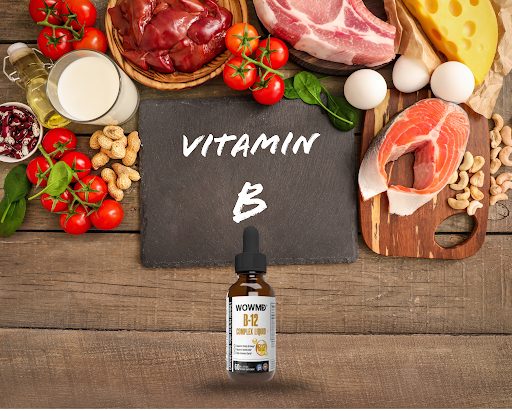
If you’ve ever hit that mid-afternoon wall, foggy thinking, low energy, or running on empty, your B vitamin intake may be part of the picture. B-complex vitamins are eight water-soluble nutrients your body uses every day to convert food into energy, build red blood cells, support the nervous system, and regulate hundreds of biochemical reactions. Because the body can’t store them, you need consistent intake. Miss a few days, and you may start to feel it in your energy, your focus, or your mood.
As WebMD notes, a B-complex supplement contains eight B vitamins that play important, related roles in your body’s cellular function. Each has a specific job, and they work better together than on their own.
In this guide, we cover what each vitamin does, where to find it in food, and what to look for when choosing a supplement.
TL;DR
- B-complex vitamins (B1 through B12, eight total) support energy production, brain function, red blood cell formation, and hormone synthesis, working together rather than in isolation.
- They are water-soluble, meaning your body cannot store them, so consistent daily intake through food or supplements is necessary.
- Common sources include meat, fish, eggs, dairy, leafy greens, legumes, and whole grains, though gaps are common, especially B12 for vegans and vegetarians.
- B9 (folate) and B12 support red blood cells and are critical during pregnancy; B6, B9, and B12 help regulate homocysteine; B5 supports hormone production; niacin (B3) can improve cholesterol markers but is not proven to reduce heart attack or stroke risk on its own.
- When choosing a supplement, look for bioavailable forms (methylfolate, methylcobalamin), third-party testing, and a format that fits your daily routine.
What Makes B Complex Vitamins Unique
Most vitamins fall into one of two categories: fat-soluble or water-soluble. B vitamins are all water-soluble, which changes how your body handles them.
Fat-soluble vitamins like A, D, E, and K are stored in your liver and body fat, creating a buffer that carries you through days when dietary intake is low. B vitamins do not work that way. Your body uses what it needs from each day’s intake and excretes the rest. That means a consistent daily supply, from food or a supplement, keeps your cellular processes running at full capacity.
Diet is your first source. According to MedlinePlus, B vitamins are found in proteins such as fish, poultry, meat, eggs, and dairy products, as well as leafy green vegetables, beans, and peas. That is a broad range of foods, but gaps are common. Restrictive diets, aging, digestive changes, and increased physiological demand during pregnancy, stress, or intense exercise can easily push requirements higher than food alone can cover.
💡 DYK? According to the NIH, roughly 21% of adults over 60 show abnormal levels of at least one B12 biomarker, and up to 40% of people in Western populations may have low or marginal B12 status.
Advertisement

 *All individuals are unique. Your results can and will vary.
The 8 B Vitamins at a Glance
|
Vitamin |
Also Known As |
Primary Role |
Key Food Sources |
|
B1 |
Thiamine |
Converts food into cellular energy; supports the nervous system |
Whole grains, pork, legumes |
|
B2 |
Riboflavin |
Antioxidant. Supports cellular energy production |
Dairy, eggs, fatty fish |
|
B3 |
Niacin |
Supports digestion, skin, nerves, and HDL cholesterol |
Meat, fish, whole grains |
|
B5 |
Pantothenic acid |
Supports steroid hormone production, fat metabolism |
Whole grains, avocado, meat |
|
B6 |
Pyridoxine |
Neurotransmitter and hemoglobin production |
Poultry, fish, chickpeas |
|
B7 |
Biotin |
Supports fatty acid and glucose metabolism |
Eggs, nuts, seeds |
|
B9 |
Folate |
DNA synthesis, red blood cell formation, fetal development |
Leafy greens, legumes |
|
B12 |
Cobalamin |
Red blood cell maturation, nerve cell maintenance |
Meat, fish, eggs, dairy |
For a closer look at where to find these in your diet, our guide to foods rich in vitamin B12 breaks it down meal by meal.
How B Complex Vitamins Support Energy and Brain Health
Your cells need B vitamins to turn the food you eat into usable fuel. Each one plays a specific role in the metabolic pathways that generate ATP, the molecule your body runs on. When intake dips, cellular energy production slows.
“B vitamins help initiate the processes that turn carbohydrates, fats and proteins into a usable form of energy,” says Natalie Romito, RDN, LD, registered dietitian at Cleveland Clinic. “If you’re deficient in any of the B vitamins, your body will be much less efficient at getting the energy it needs from the foods you’re eating.”
The Energy Connection
B vitamins help the process your body uses to get or make energy from food, and they also help form red blood cells. Red blood cells carry oxygen to your muscles and organs. Fewer healthy red cells mean less oxygen delivered throughout the body, so your system has to work harder to do the same tasks. The result is fatigue that sleep alone does not fix.
B12 and folate are especially important here. Both support healthy red blood cell maturation, while B6 supports the production of hemoglobin, the protein that binds oxygen inside those cells. Together, they form a foundational layer of your daily energy system.
If you are weighing B12 alongside other nutrients for energy support, WOWMD’s B-12 Complex Liquid is formulated specifically for this role, with a liquid delivery format that absorbs rapidly without requiring digestive processing.
ALSO READ: Vitamin B12 and Vitamin D
The Brain and Homocysteine Connection
B6, B9, and B12 also help regulate homocysteine, an amino acid that, at elevated levels, long-term observational studies consistently link to cognitive decline and dementia risk.
Note: B-vitamin supplementation does not reliably improve cognition in the general population. The benefit appears most consistently in people who already have elevated homocysteine, where trials like VITACOG found B-vitamin treatment slowed the rate of brain atrophy over two years. This trio matters most as a corrective measure for an existing imbalance, not a general-purpose cognitive booster for everyone.
For more on what drives B12 shortfalls, see our guide to what causes vitamin B12 deficiency.
💡 DYK? B vitamins actively cross the blood-brain barrier through dedicated transport mechanisms, which is why the brain is sensitive to deficiencies in B6, B9, and B12.
The Role of B Vitamins in Hormone and Cholesterol Production
B-complex vitamins do more than support energy. They also help build and regulate some of the chemical signals your body relies on most.
How B Vitamins Support Hormone Synthesis
Several B vitamins play direct roles in hormone production and regulation. Pantothenic acid (B5) is particularly important here. It supports the synthesis of steroid hormones, including cortisol and the sex hormones estrogen, progesterone, and testosterone. When your B5 intake is adequate, your adrenal glands have what they need to respond to physical and emotional stress without becoming depleted.
Niacin (B3) and pyridoxine (B6) also contribute to this system. B6 helps convert tryptophan to serotonin and supports dopamine production, the two neurotransmitters that regulate mood, appetite, and sleep cycles.
B Vitamins and Cholesterol
Niacin has one of the most documented relationships with cholesterol metabolism among all the B vitamins. According to Mayo Clinic, niacin can raise HDL (good) cholesterol and lower triglycerides, which is why cardiovascular researchers have studied it closely.
However, despite this effect on cholesterol numbers, research has not linked niacin therapy to lower rates of death, heart attack, or stroke. It is best understood as a lipid-profile tool rather than a standalone cardiovascular treatment.
Advertisement

 *All individuals are unique. Your results can and will vary.
Dietary Sources and Daily Requirements
Because B vitamins are water-soluble, your body flushes out what it doesn’t use. Consistent intake builds the levels your body needs day to day.
Animal Proteins and Dairy
Meat, poultry, fish, and eggs are among the richest sources of B vitamins, particularly B12, B6, and niacin. Fatty fish like salmon and tuna deliver meaningful amounts of B2 and B3. Dairy products contribute B2 and B12, making them a valuable source for people who do not eat meat.
B12 deserves special attention here since it is found almost exclusively in animal-based foods. A peer-reviewed cohort study of British men found 52% of vegans and 7% of vegetarians were classified as B12 deficient, compared with essentially none of the omnivores studied. People following plant-based diets are at higher risk and often benefit from a quality B-complex supplement with adequate B12.
Leafy Greens, Legumes, and Whole Grains
Plant-based sources cover other parts of the B vitamin spectrum. Leafy greens like spinach are strong sources of folate, essential for cellular repair and DNA synthesis. Beans, lentils, and chickpeas supply folate, B1, and B6. Whole grains, oats, brown rice, and whole wheat contribute B1, B3, and B5.
Consistent food choices across meals and days build the intake your body needs. If your diet skews toward processed foods or excludes whole-food categories, a science-backed B-complex supplement can reliably fill those gaps without the complexity of tracking eight separate nutrients every day.
B Vitamin Food Sources at a Glance
|
Food Group |
Key Foods |
B Vitamins Provided |
|
Animal Proteins |
Meat, poultry, fish, eggs |
B12, B6, niacin (B3) |
|
Fatty Fish |
Salmon, tuna |
B2, B3 |
|
Dairy |
Milk, cheese, yogurt |
B2, B12 |
|
Leafy Greens |
Spinach |
Folate (B9) |
|
Legumes |
Beans, lentils, chickpeas |
Folate (B9), B1, B6 |
|
Whole Grains |
Oats, brown rice, whole wheat |
B1, B3, B5 |
Special Considerations During Pregnancy
Pregnancy places extraordinary nutritional demands on the body. B vitamins sit at the center of that process.
Why Folate and B12 Matter Most
Folate (B9) receives the most attention in this context for good reason. It supports proper neural tube formation in the earliest weeks of pregnancy, often before many women know they are expecting.
The American Academy of Pediatrics confirms that periconceptional folic acid supplementation can prevent 50% or more of neural tube defects, including spina bifida and anencephaly. This is why healthcare providers recommend beginning a folate-rich supplement before conception, not after a positive test.
B12 works alongside folate to support healthy cell division and neurological development. A deficiency in either can have significant consequences for the developing baby. People following plant-based diets need to monitor B12 closely during pregnancy, since it is found almost exclusively in animal-sourced foods.
The Role of B6
B6 can help manage morning sickness and supports fetal brain and immune system development. It is one of the few B vitamins with a well-documented link to pregnancy symptoms, which is why some OBGYNs recommend it specifically.
What to Look For in a Prenatal Formula
Look for methylated forms: L-methylfolate instead of folic acid, and methylcobalamin instead of cyanocobalamin. These active forms are easier for the body to use. Always make supplementation decisions during pregnancy in consultation with your doctor or midwife.
How to Choose the Right B Complex Supplement
Once you understand what B vitamins do, the next step is choosing a supplement that delivers what your body needs.
Look for Active, Bioavailable Forms
Many lower-quality supplements use synthetic forms that your body must convert before it can use them. Look for methylfolate instead of folic acid, and methylcobalamin instead of cyanocobalamin. These active forms deliver more of what is on the label to your cells, without extra conversion steps.
Match the Formula to Your Life Stage and Goals
Your needs shift depending on where you are in life. Managing energy and focus in your 40s points toward B12 and B6 support. Supporting cardiovascular wellness points toward B6, B9, and B12 working together to help maintain healthy homocysteine levels. Older adults and plant-based eaters often need higher B12 doses to compensate for reduced dietary intake or absorption.
Prioritize Quality Verification
A supplement made in a GMP-certified, FDA-registered facility has cleared meaningful quality controls for purity and potency. Also check for non-GMO status and the absence of artificial additives.
Be Aware of High-Dose Risks
Not all B vitamins are equally forgiving at high doses. “Vitamin B6 can cause neuropathy if you’re getting a very high dose for a long period of time,” warns Natalie Romito, RDN, LD of Cleveland Clinic. “That can lead to loss of control of body movements. So, you want to be very careful about taking supplements with vitamin B6.” Stick to labeled doses, and avoid mega-dose formulas unless a healthcare provider directs you to.
Consider Format and Consistency
The best B complex is the one you actually take daily. Liquids absorb quickly, capsules fit easily into a morning routine, and consistency matters more than any single dose. Because B vitamins are water-soluble, steady daily intake beats sporadic high doses every time.
WOWMD’s B-12 Complex Liquid delivers a blend of essential B vitamins in a liquid format designed for fast absorption. For broader daily nutritional coverage, WOWMD NutriMax Essentials includes B vitamins alongside a full multivitamin profile.
For a comparison of top-rated options, see our roundup of the best liquid B12 supplements.
Buyers’ Checklist for B Complex Supplements
- Look for methylfolate instead of folic acid and methylcobalamin instead of cyanocobalamin. These active forms are easier for the body to absorb and use directly.
- Check that the formula is manufactured in a GMP-certified, FDA-registered facility. This baseline quality standard verifies that what’s on the label is in the bottle.
- Confirm third-party testing for purity, potency, and the absence of contaminants.
- Choose a format you will take consistently every day. Liquids, capsules, and gummies each have their place, and consistency over time delivers results, not any single dose.
- Be cautious with formulas containing very high doses of B6. The NIH notes the upper tolerable limit is 100 mg per day for adults, and excess B6 over time can cause nerve damage.
- Older adults, people on plant-based diets, those on long-term metformin or PPI medications, and pregnant individuals should speak to a healthcare provider about their specific B12 needs before choosing a formula.
- Match the formula to your primary goal: energy and focus point toward strong B12 and B6; pregnancy support points toward methylfolate and methylcobalamin; cardiovascular support points toward B6, B9, and B12 together.
Advertisement

 *All individuals are unique. Your results can and will vary.
Conclusion
B-complex vitamins are foundational. They power your cellular energy system, support your nervous system, help build red blood cells, and play a direct role in hormone regulation, cholesterol metabolism, and fetal development. Because the body doesn’t store them, daily intake isn’t optional.
The most important step is choosing a formula with bioavailable forms, verified manufacturing standards, and a delivery format that fits your routine. A consistent daily dose delivers results where a sporadic high dose does not.
WOWMD’s B-complex supplements are expert-recommended, science-backed, and made in the USA to support your daily energy, focus, and overall vitality. Explore the B12 collection and find the formula that works for your routine.
Individual results may vary. Supplements are not intended to diagnose, treat, cure, or prevent any disease. Consult your healthcare provider before starting any new supplement regimen.
FAQs
Meet the Experts
- Natalie Romito, RDN, LD | Registered Dietitian at Cleveland Clinic, Department of Nutrition.
This article is for informational purposes only and is not a substitute for professional medical advice, diagnosis, or treatment. Statements made on this website have not been evaluated by the U.S. Food and Drug Administration. Always consult a qualified healthcare professional before making changes to your diet, supplements, medications, or healthcare routine.