




Help Minimize Signs of Sensitive Skin†
Skincare for Sensitive Skin
Sensitive skin deserves formulas that earn their place, no unnecessary ingredients, no compromises. Find the WOWMD advanced skincare for sensitive skin below that your skin can work with from day one*.
Sensitive skin isn't just skin that blushes easily or reacts to harsh weather it's skin where the sensory threshold is genuinely lower than average. Stinging from products that others use without a second thought, burning after cleansing, itching with no obvious cause these are the hallmarks of skin that's wired to react more intensely to everyday stimuli. For people with sensitive skin, the skincare aisle can feel like a minefield. Finding products that actually do something without setting the skin off requires a completely different standard of formulation. At WOWMD, our expert-recommended topical formulas are developed with science-backed ingredients and rigorous sourcing — built from the ground up to work with sensitive skin, not overwhelm it. Explore our collection and find what your skin can actually trust.†

Glow Fusion Vitamin C Serum


Skin Firming Cream

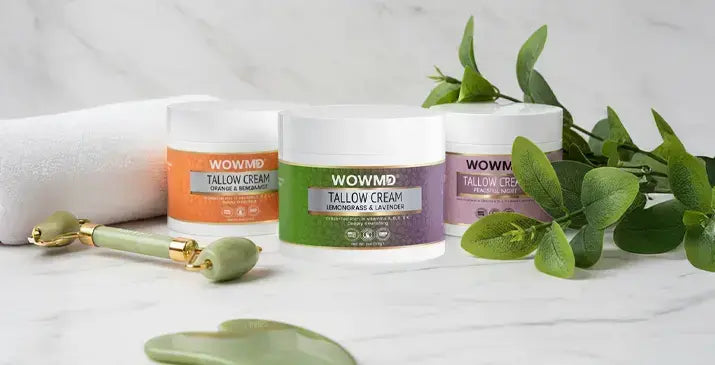
Tallow Cream Orange & Bergamot

Dark Spot Serum for Sensitive Skin

Peptide Moisturizer

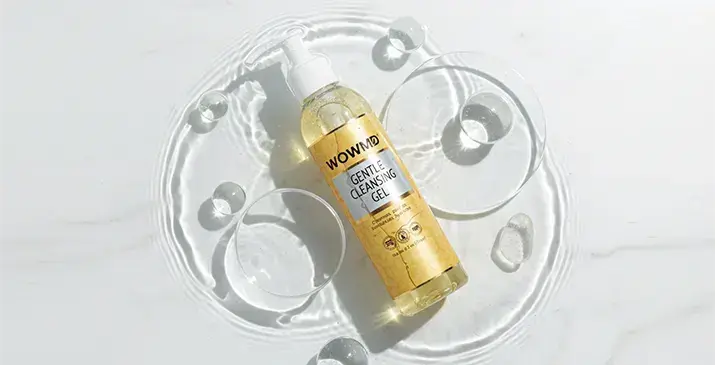
Gentle Cleansing Gel

Aloe & Tea Tree Radiance Gel
Understanding Sensitive Skin

What's Actually Going on Inside Sensitive Skin?
Sensitive skin is often described in terms of what it reacts to, but the more useful question is why it reacts the way it does. The answer largely comes down to the skin's nervous system. Sensitive skin has a lower neurogenic threshold meaning the sensory nerve endings that run through the skin fire more easily in response to stimuli that wouldn't register as notable in less reactive skin types. Physical triggers like friction, temperature change, or a new ingredient can activate these nerve endings and produce stinging, burning, or itching sensations even when there's no visible irritation to show for it. A compromised skin barrier often runs alongside this heightened nerve sensitivity — when the protective outer layer is thinner or more permeable than it should be, more of what touches the skin's surface reaches the nerve endings below it. This is why two people can use the same product and one walks away comfortable while the other experiences immediate sensory distress.†

What Ingredients Are Best for Sensitive Skin?
For sensitive skin, what's left out of a formula matters just as much as what's put in. Fragrance both synthetic and natural is the single most common trigger for sensory reactions in sensitive skin, and its presence in a formula is often the variable that explains why an otherwise well-designed product causes stinging or irritation. Essential oils fall into the same category; they carry volatile aromatic compounds that the nervous system in sensitive skin can read as a threat even at low concentrations Beyond fragrance, harsh surfactants, high concentrations of exfoliating acids, and certain preservatives are among the ingredients that consistently show up in reactions. On the supportive side, ingredients like allantoin, panthenol, and centella asiatica have well-established track records for calming and supporting sensory comfort in reactive skin. Barrier-reinforcing ingredients like ceramides and fatty acids reduce the permeability that lets irritants reach nerve endings in the first place. A formula built for sensitive skin should be able to justify every ingredient it includes, and the best ones can.†

How To Manage Sensitive Skin in Different Skin Types?
The instinct with sensitive skin is often to try everything at once — layering products in pursuit of faster results. That approach tends to backfire. When the skin reacts, you can't tell which product caused it or whether it was the combination that was the problem. Sensitive skin routines are best built one product at a time, with enough space between introductions to know how the skin is responding. Patch testing isn't optional for sensitive skin — applying a small amount to the inner arm or behind the ear for a few days before using anything on the face is the only reliable way to screen for reactions before they happen somewhere visible and uncomfortable. Keeping the routine intentionally minimal — a gentle cleanser, a calming moisturizer, SPF — and only adding products when there's a clear reason to, is what tends to serve sensitive skin best over the long run. WOWMD topical formulas for sensitive skin are designed with exactly this kind of restraint and intentionality in mind.†
FAQs
What People are Saying

Loading review…

Loading review…

Loading review…

Loading review…

Loading review…

Loading review…

Loading review…

Loading review…

Loading review…

Loading review…
References:
- Sensitive Skin May Be Neuropathic Disorders: Lessons from Studies on Skin and Other Organs https://www.mdpi.com/2079-9284/8/1/14
- Skin Lipids and Their Influence on Skin Microbiome and Skin Care - PMC https://pmc.ncbi.nlm.nih.gov/articles/PMC12268455/
‡ May help support sensory skin comfort, barrier tolerance, and a calmer response to everyday triggers as part of a consistent topical routine.†
† These statements have not been evaluated by the Food and Drug Administration. These products are not intended to diagnose, treat, cure, or prevent any disease.†
SUBSCRIBE & SAVE MORE!
Subscribe to your favorites WOWMD® supplements and enjoy flexible deliveries, easy account control, and savings on select products. FREE U.S. SHIPPING on orders over $60!
Shop Subscribe & Save
Expert Advice About Skincare for Sensitive Skin
Learn more about Skincare for Sensitive Skin through recommendations, product guides and wellness education from trusted professionals

Why Trust WOWMD®?
At WOWMD®, our purpose is clear: to create thoughtfully formulated supplements designed to support everyday wellness. We know that when it comes to your health, there’s no room for compromise. That's why we carefully select ingredients and thoughtfully develop our formulas with quality, transparency, and everyday wellness in mind. Every formula is carefully designed to support your wellness journey—because we believe you deserve nothing less than the best.
Trust isn't just a word for us: It's the foundation of everything we do. We understand that taking care of your health is deeply personal, and we’re here to support you every step of the way. With WOWMD®, you're choosing a brand that’s committed to your well-being—not just today, but for the long haul. Let us be your partner in health, providing the reliability and confidence you deserve.